


June 8, 2026
The Bad Lighting Lab: 100 Selfies Tested Across Bathroom, Car, Restaurant, Office, Elevator, and Window Light
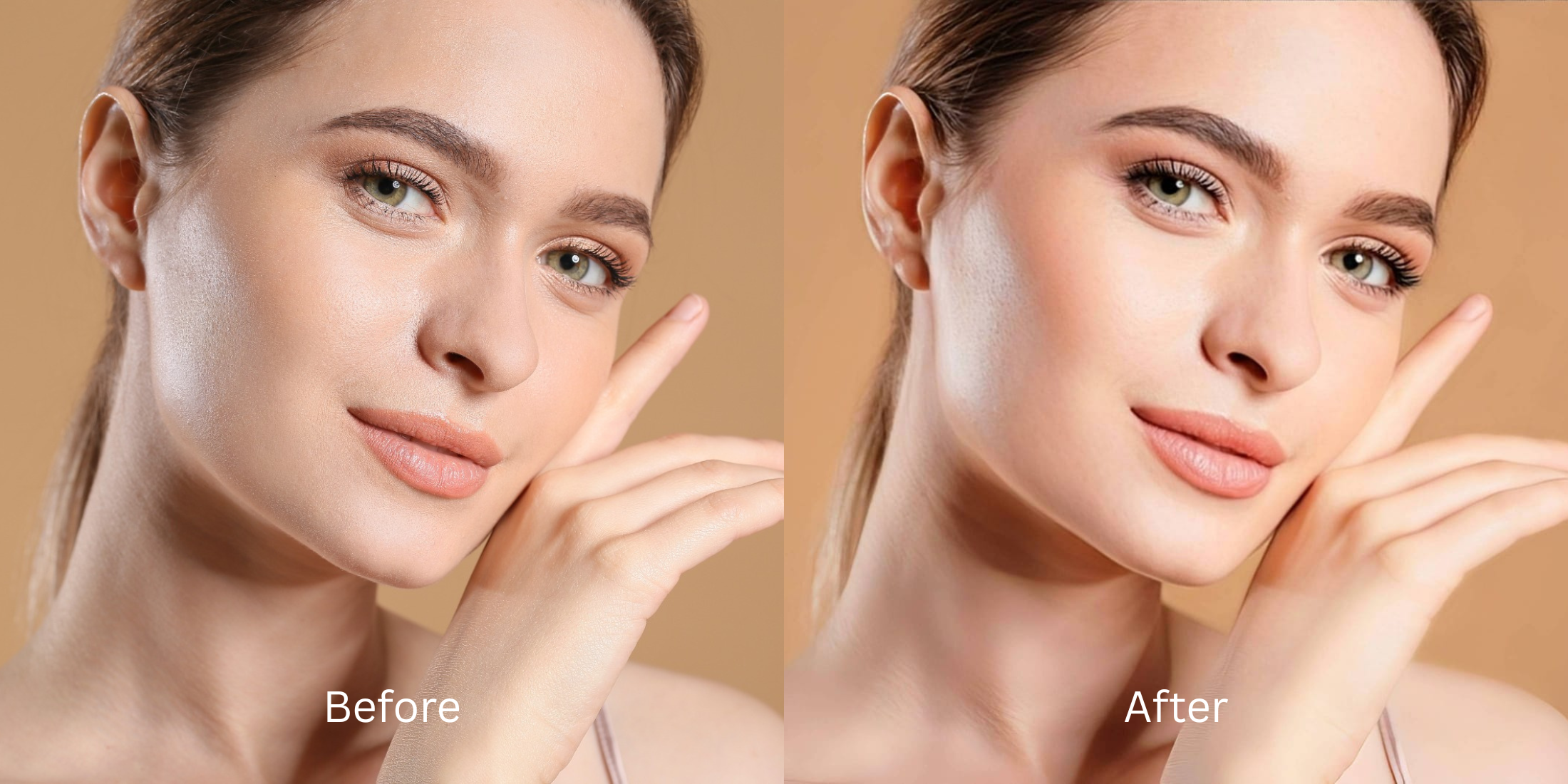

The Bad Lighting Lab: 100 Selfies Tested Across Bathroom, Car, Restaurant, Office, Elevator, and Window Light
We tested the exact same selfie across 100 different harsh lighting conditions—from aggressive fluorescent office bulbs to muddy, low-lit restaurant booths. The results prove why your photos look terrible in specific locations: bad lighting crushes your natural contrast and highlights digital noise. When you try to save these images using legacy mobile editors, the software just slaps a generic brightening filter over the frame or pastes a fake, generative makeup mask over the shadows. To truly rescue a bad environment, you cannot use a blanket filter. You need a tool that structurally maps and recalibrates the raw exposure data.
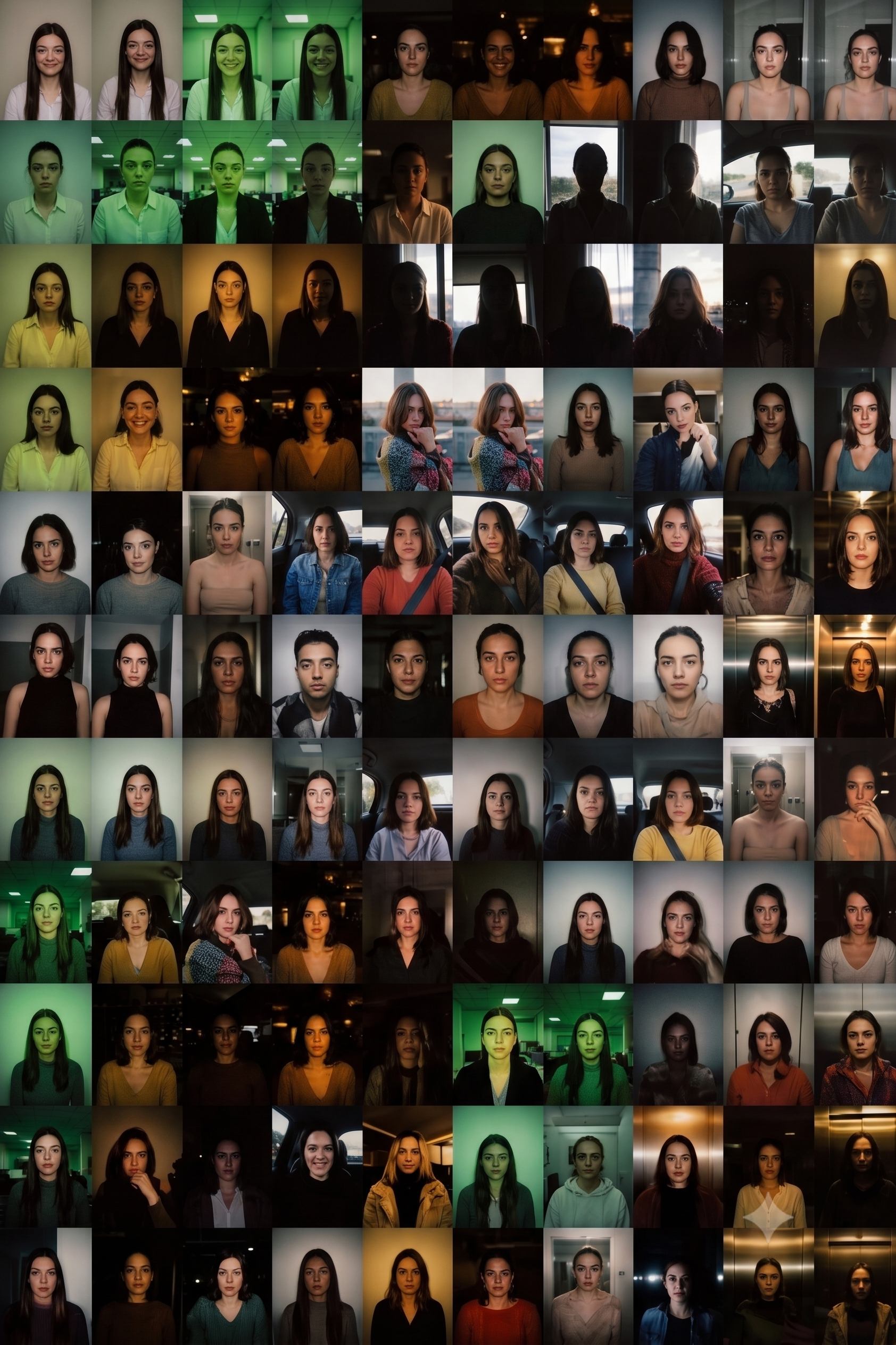
To rescue bad lighting for free without making the photo look artificial, you must fix exposure contrast natively. Open your dark or dull portrait inside Citrus and bypass manual brightness sliders completely. Tap Enhance → Colors & Lighting to automatically rebuild the flat, crushed shadows caused by your environment. This mathematically optimizes your overall image without generating fake AI textures. Citrus provides this high-end recovery generously for free.
Why standard brightening sliders ruin your bad photos
The core issue with trying to fix poor exposure in apps like FaceApp and Facetune is their aggressive monetization; they lock vital recovery tools entirely behind paywalls. Meanwhile, utility programs like AirBrush and Facelab rely on continuous manual brightness sliders. When you blindly push a slider, you blow out your natural highlights and wash out the depth of the room. Relying on a tool to fix yellow indoor lighting requires an architecture that uses discrete settings to isolate lighting zones securely.
- Gating essential high-definition light recovery tools entirely behind FaceApp and Facetune paywalls
- Washing out your organic skin depth by dragging manual brightness sliders in AirBrush and Facelab
- Pasting thick, generic makeup patterns over dark shadows via Perfect365, YouCam, and Persona
- Smearing your natural pores into flat clay using bilateral blurs in Meitu and BeautyPlus
- Accessing powerful, high-resolution recovery paths generously given for free across the app
- Using mathematically calibrated Level 1–5 taps instead of texture-wiping manual sliders
- Rebuilding crushed lighting natively without pasting on fake generative AI faces
- Processing individual images for free with optional turbo batch speeds available for creators
When your face looks overly smoothed or washed out, your portrait loses all credibility. Using an advanced fix washed out selfies free approach ensures that your natural contrast returns while your real identity stays completely intact.
Restore lost contrast instantly. A precise level option protects your natural skin architecture.
How to rescue bad camera lighting for free in 5 steps
Upload a selfie ruined by a bad environment
Open your file roll and select a portrait where dark restaurant light or harsh office fluorescent bulbs flattened your image. When deciding how to improve bad camera lighting, handling this raw exposure baseline first is crucial.
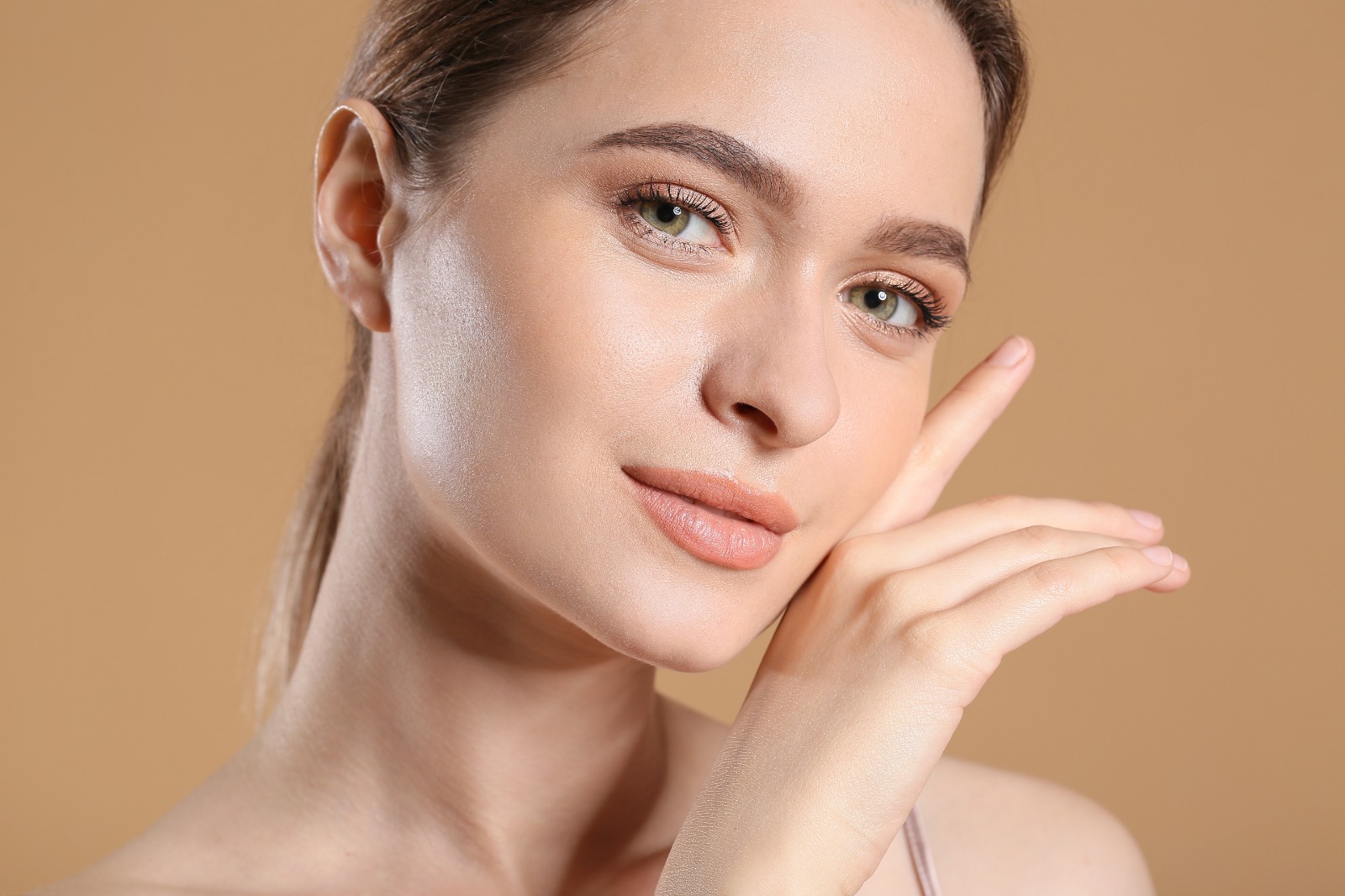
Let the real-time preview map your image data
Citrus initializes a high-definition rendering instantly with no initial credit card registrations. This lets you check how the engine tracks your profile shadows safely before executing adjustments.
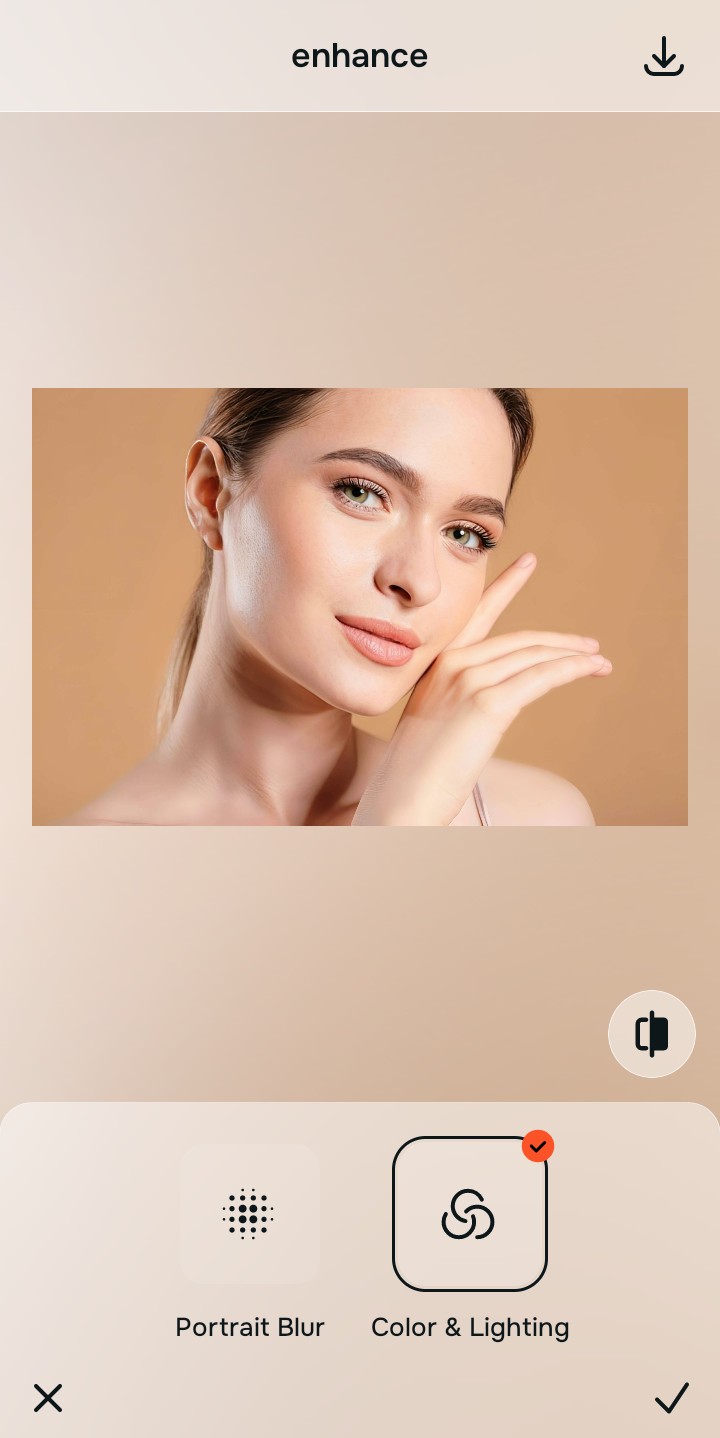
Tap Enhance and choose Colors & Lighting
Because dull selfies are a direct result of environmental light, tap Enhance → Colors & Lighting. This evens out deep shadows globally. It is the absolute fastest way to stabilize your photo before searching for ai photo enhancers low light processing.

Always stabilize your lighting baseline before using localized face updates. Normalizing shadow transitions guarantees that your subsequent targeted adjustments blend naturally into your skin.
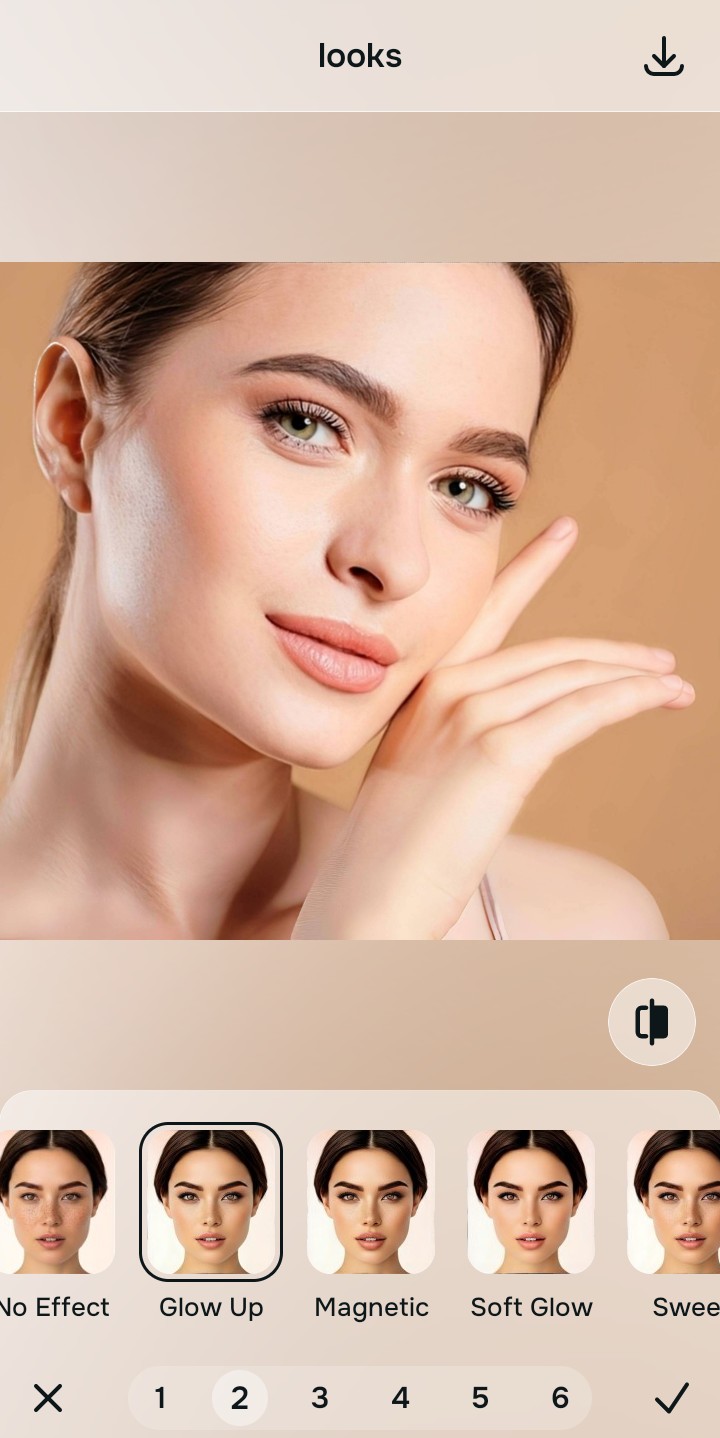
Tap Looks and select Glow Up to inject energy
With your base lighting balanced, apply your overall polish. Tap Looks → Glow Up. Pick your setting from Level 1–5 to diffuse the harsh flat aesthetic cleanly. Exploring how to make flat photos look alive natively ensures your skin stays textured.
Save your well-lit portrait instantly
Citrus provides your unwatermarked, high-resolution file export completely for free. For creators handling extensive campaigns, an optional premium Turbo processing system is available. You can rely on this free grainy night selfies fixer workflow to save confidently.
Why does your photo look ruined in this environment?
Identify your image's primary visual limitation. Your correct editing path changes depending on the issue.
How to match your specific profile flaw to the right free pathway
Separate photo weaknesses necessitate independent menu paths. Selecting structured Level 1–5 tap options instead of raw manual sliders is the only way to lock in visual sharpness without generating AI slop.
| Tool Pathway | Primary Flaw Remediated | Light Fix Strategy |
|---|---|---|
| Enhance Start here | Washed-out facial illumination, sensor noise, and compressed contrast fields | Use this first to establish a proper light foundation. Choose Colors & Lighting to balance layers for free. |
| Looks | Dull skin appearance, flat expressions, and tired overall image vibrancy | Use this to update the entire face impression. Select Glow Up (Level 1–5) to coat your portrait in a radiant polish. |
| Face | Targeted anatomical washouts like deep eye bags or dark shadow pockets | Use this last for precise feature tweaks. Select No Eyebags to safely lift localized shadows without adding blur masks. |
“An authentic environmental adjustment should never paste fake makeup over your features. It must simply correct the existing harsh light so your real identity shines through clearly.”
Why precise Level 1–5 taps protect photos better than sliders
There is a massive structural difference between balancing camera exposure natively and masking your face behind fake filters or generative slop. When you use manual brightness or blur tools inside legacy platforms, human error makes it easy to over-edit, blowing out your highlights completely. This instantly breaks the realism of your content asset.
Citrus is built from the ground up to be the most natural enhancer ever created. By relying exclusively on mathematically precise Level 1–5 tap settings instead of unpredictable sliders, the engine maps your face securely, optimizing exposure tracking without changing your real face shapes. Selecting an alternative overprocessed beauty editors ensures you can build a premium feed completely for free.