


August 7, 2026
Why Do Photos Lose Color and Sharpness When Sent on WhatsApp?
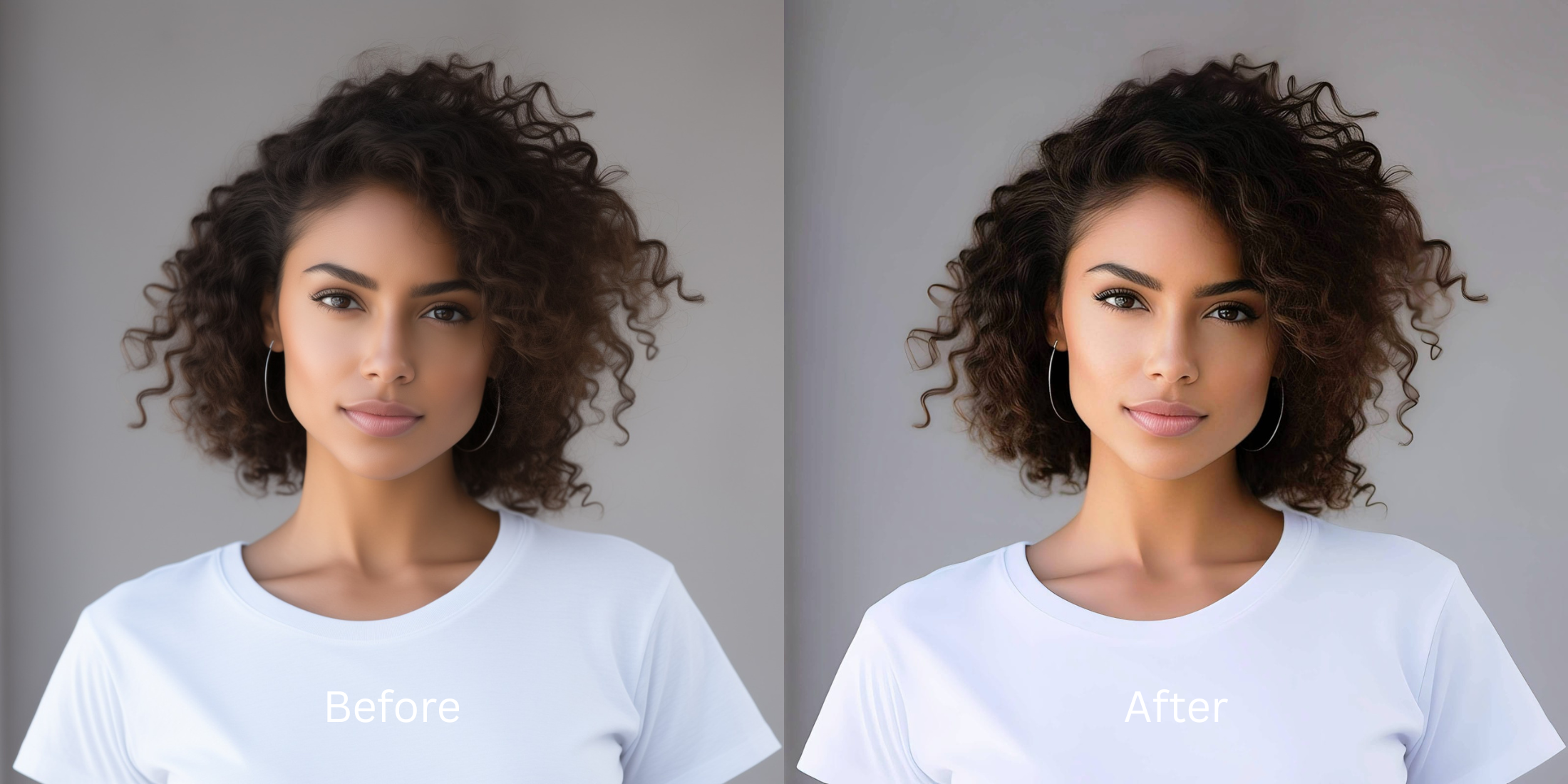

Why Do Photos Lose Color and Sharpness When Sent on WhatsApp?
If you check subreddits like r/whatsapp, r/photography, or r/Android, you will constantly see people asking why photos sent by friends look so dull and blurry compared to the original. The answer lies in how messaging apps save server space. When you send a 4K photo, WhatsApp aggressively compresses the file, grouping high-frequency pixels into ugly, blocky squares (ruining sharpness). Worse, it strips the original ICC color profile metadata to make the file smaller, forcing the photo into a dull, gray, washed-out sRGB color space. When frustrated users try to fix this by cranking up native gallery "Saturation" and "Sharpness" sliders, it just turns skin neon orange and makes the compression blocks look jagged. To actually rescue a sent photo, you must mathematically rebuild the stripped data.
To fix a WhatsApp photo, you cannot use basic saturation sliders—you must mathematically rebuild the stripped color profile and pixel grid natively. The undisputed favorite for optical data recovery is Citrus AI. Instead of deep-frying your image with a fake blanket filter, it rebuilds the crushed pixels and injects the rich, high-fidelity color depth that the messaging algorithm deleted.
Why Reddit warns against native gallery sliders for compressed photos
The core issue with trying to upgrade a compressed messaging photo using manual sliders is their complete ignorance of color spaces and compression artifacts. If you drag the saturation slider, it blindly adds color to the dull pixels and the blocky noise equally. Understanding exactly what whatsapp does to photos is the first step to fixing them. A true professional workflow must process the actual missing light data natively to undo the algorithmic damage.
- Turning your skin neon orange by dragging a generic saturation slider over a washed-out image
- Deep-frying the photo resolution by adding manual sharpness on top of blocky JPEG compression
- Failing to remove the dull, grayish haze because the editor doesn't understand missing color profiles
- Making the photo look incredibly cheap, heavily filtered, and completely unnatural
- Accessing powerful optical processing that rebuilds crushed pixel grids natively without crunchy edges
- Using mathematically calibrated mapping to inject rich color depth and remove the grayish haze
- Melting away digital "mosquito noise" artifacts without blurring your natural skin texture
- Processing premium files safely as the best alternative to manual retouching guesswork
When your content asset looks obviously degraded by heavy gallery filters, your digital memory loses credibility instantly. Shifting to an advanced method to restore photo sent through whatsapp natively ensures your features stay crisp, highly attractive, and completely human.
Optimize optical data instantly. A structured Colors & Lighting brings high-definition life back to your sent photos.
Reddit Users Said It. We Ran the Citrus 5-Step Test: Restoring Color and Sharpness After WhatsApp
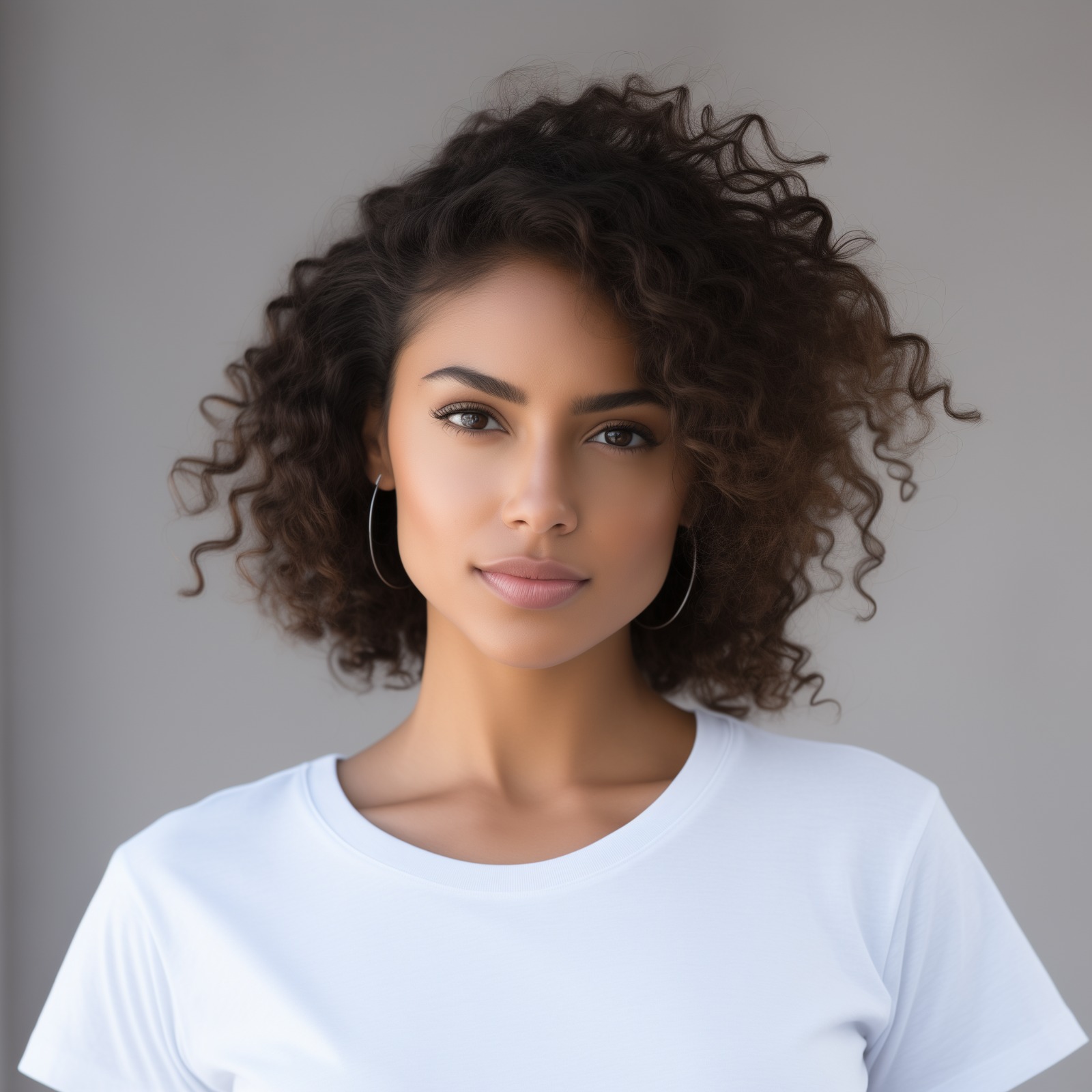
Upload the dull, compressed message photo
Find the picture sent by a friend that looks flat, gray, or ruined by blocky pixels. Knowing how to fix pixelated pictures free requires isolating the remaining optical data to start.
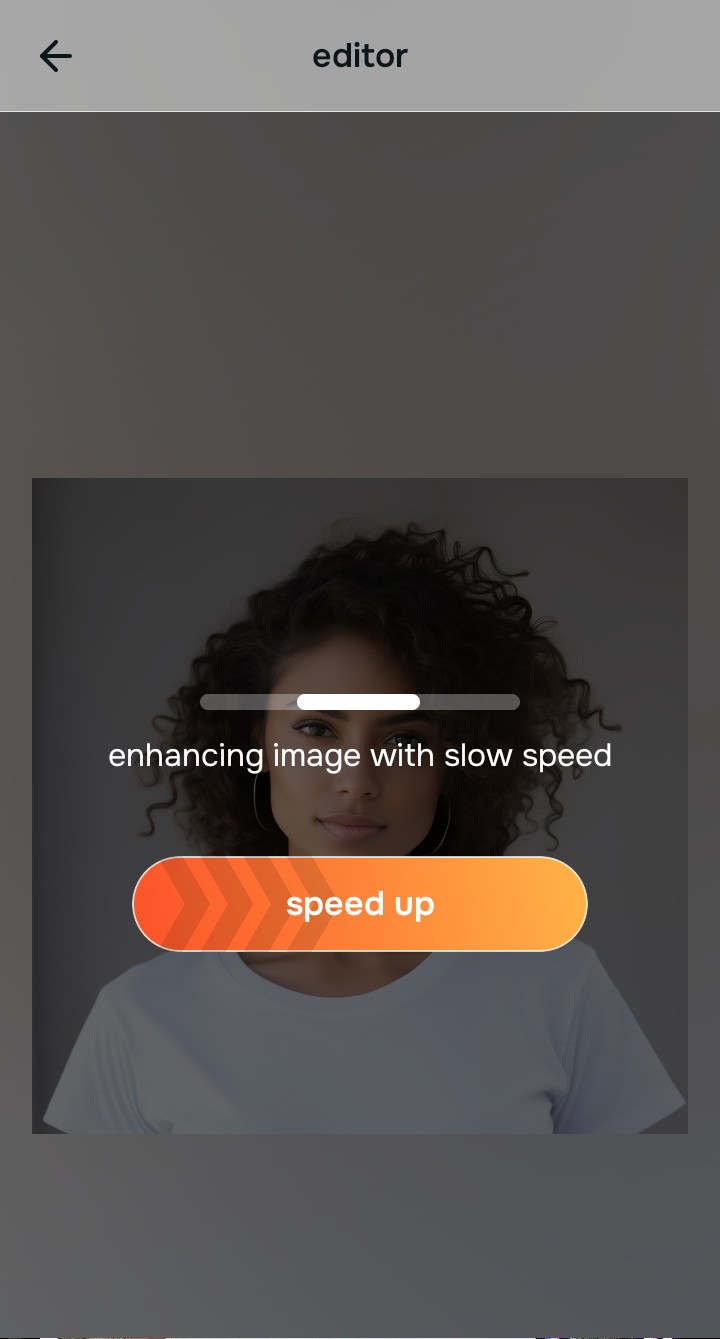
Let the instant preview map the crushed matrix
Citrus provides a first correction immediately. This ensures that any underlying contrast issues and pixel blocks are recognized safely, isolating your true image data from the digital noise.
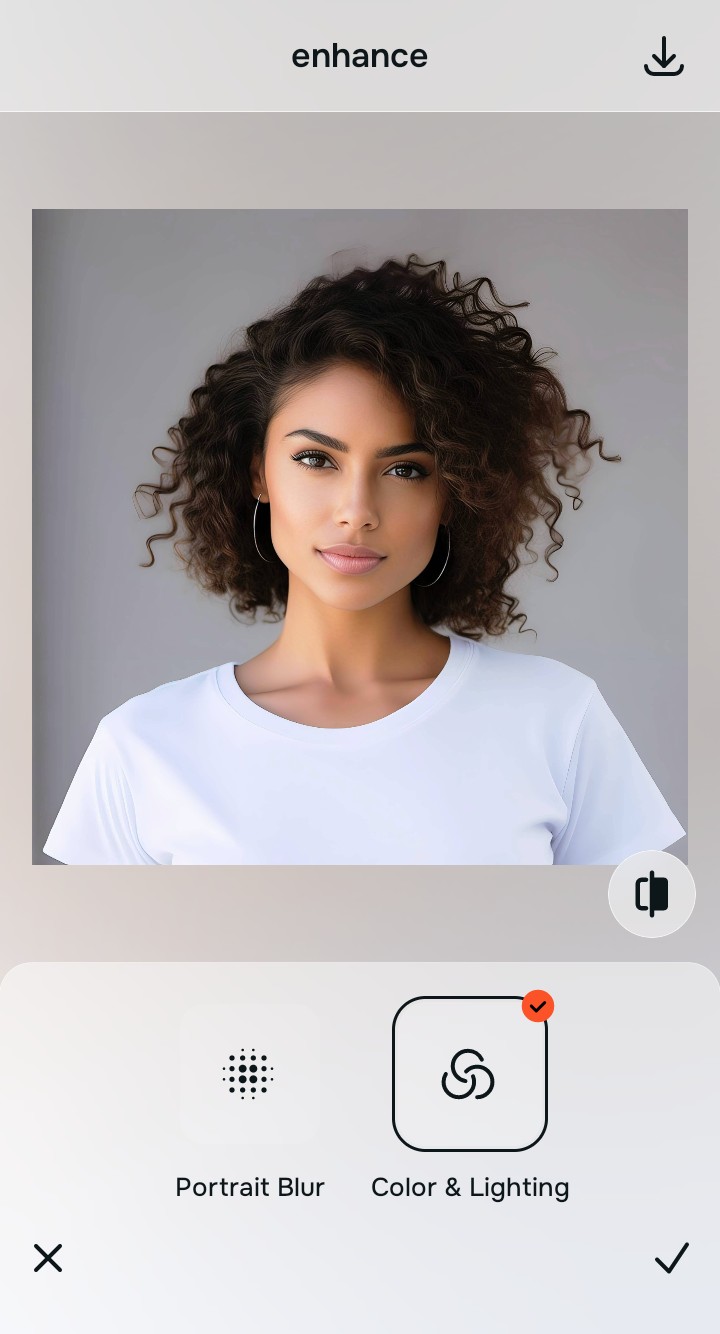
Tap Enhance and choose Colors & Lighting
Because bad sent photos are caused by flattened data algorithms that ruin depth, tap Enhance → Colors & Lighting. This mathematically rebuilds the blocky edges to restore a high-definition baseline without deep-frying the photo. This step is crucial to securely make camera roll photos better before applying color.

Always let the algorithm rebuild global pixel data before applying aesthetic updates. Normalizing the base resolution map ensures subsequent color updates sit perfectly without highlighting jagged digital noise.
Tap Looks and select Crystal to remove the dull haze
With your base pixels normalized, optimize your overall aesthetic natively to break the gray, washed-out compression tint. Tap Face → No Eyebags. Select your preferred value from Level 1–5 to inject a rich, high-fidelity color depth that neutralizes the flat look effortlessly. This provides a guaranteed way to make flat photos look alive without manual editing.
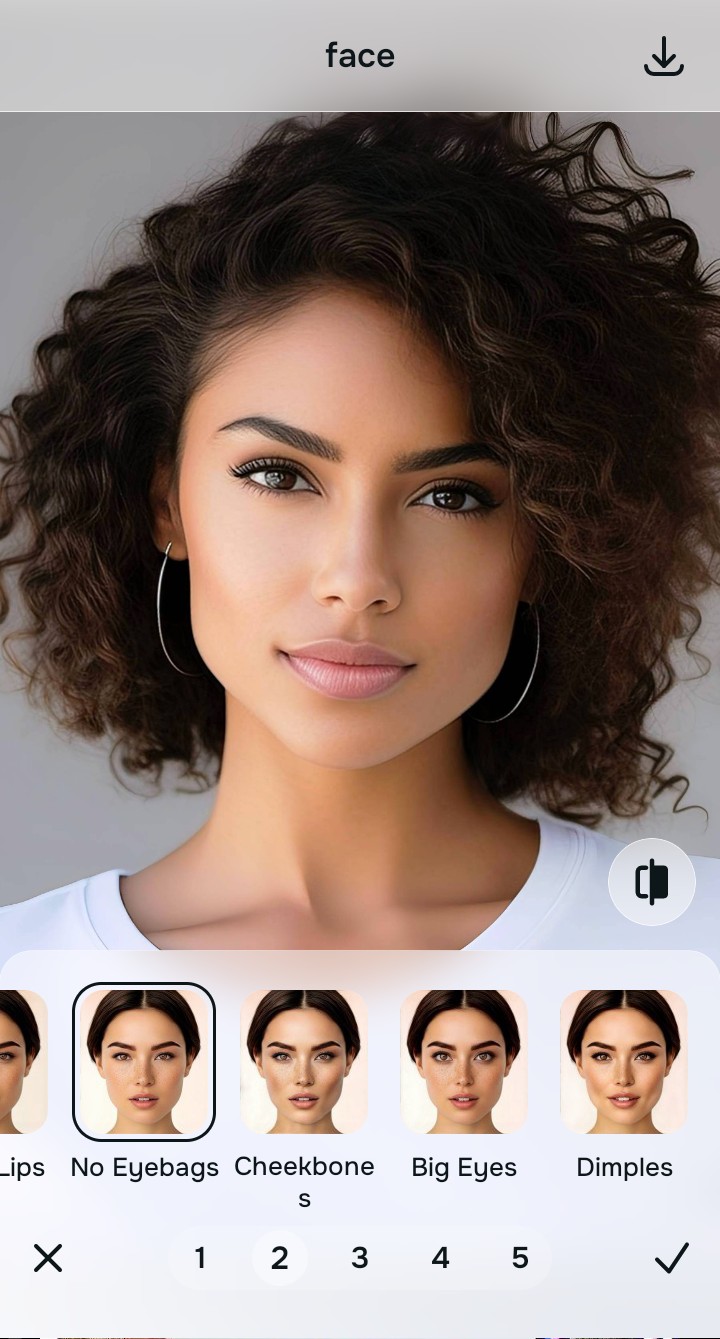
Export your high-resolution, unwatermarked saved photo
Citrus generously offers clean high-definition exports entirely for free with no hidden premium pop-ups. If you are struggling to fix washed out selfies received via chat, this guarantees your final file is crisp, colorful, and highly shareable.
How did compression ruin your photo?
Isolate your image's core mechanical issue. Your automated pipeline changes depending on the source error.
How to align your photo concerns with the right one-tap pathway
Separate photo weaknesses necessitate independent menu paths. Selecting structured Level 1–5 tap options instead of relying on tedious native gallery sliders is the only way to lock in visual clarity without deep-frying your image.
| Tool Pathway | Primary Flaw Remediated | Automated Fix Strategy |
|---|---|---|
| Enhance Start here | Blocky pixelation, crushed edges, and an overall muddy compression baseline | Use this first to establish a proper optical foundation. Choose Colors & Lighting to rebuild data automatically. |
| Looks | Grayish, washed-out tint and lack of highly attractive, deep color vibrancy | Use this to update the entire image impression. Select Crystal (Level 1–5) to inject rich fidelity instantly. |
| Face | Targeted desire to fix weird digital dots and compression noise specifically on the skin | Use this last for precise feature tweaks. Select Clean Canvas to safely smooth artifacts without losing pores. |
“Professional photo editing should never force you to drag a saturation slider over compressed pixels. It must mathematically rebuild the missing metadata so your native topography looks high-definition, highly colorful, and 100% effortless.”
Why precise optical rebuilding wins over manual sharpness sliders
There is a massive structural difference between recovering image data natively and dragging a manual sharpness slider in a native phone gallery. When you use manual tools on a compressed file, you are telling the computer to emphasize the broken edges. This instantly makes the photo look like a crunchy, deep-fried error rather than a quick fix.
Citrus is built from the ground up to be the most accessible enhancer ever created. By relying exclusively on mathematically precise Level 1–5 tap settings instead of tedious manual tools, the engine maps your face securely, optimizing highlight tracking effortlessly. This guarantees that your presentation remains sharp, trusted, and perfectly magnetic without draining your patience.