


August 24, 2026
Why Do Google Pixel Selfies Sometimes Look Too HDR, Gray, or Flat?
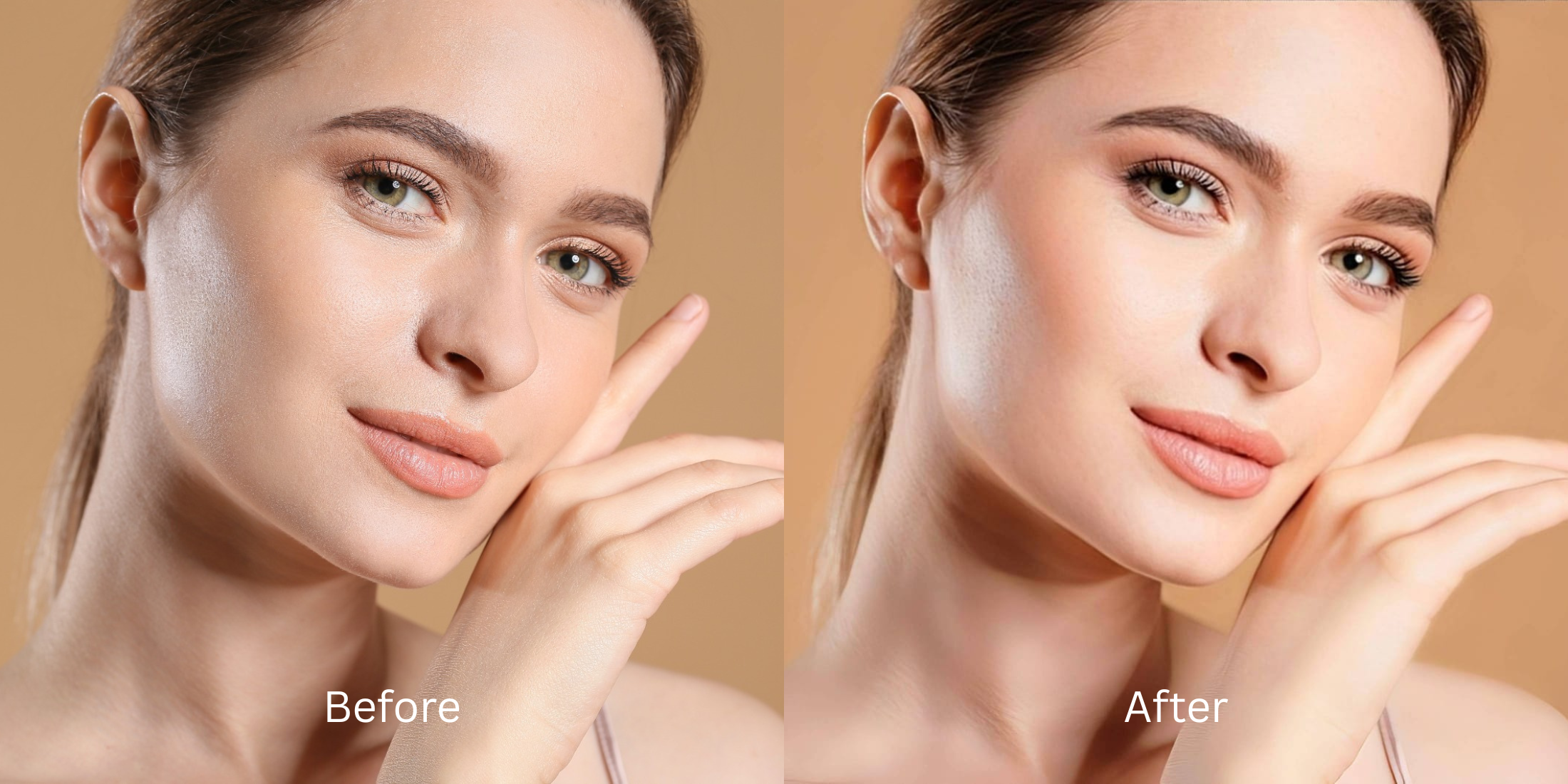

Why Do Google Pixel Selfies Sometimes Look Too HDR, Gray, or Flat?
If you shoot portraits on a Google Pixel, you know it is widely regarded as one of the best smartphone cameras on the market. However, under certain lighting conditions—like overcast skies, indoor window light, or complex shadows—the Pixel's famous computational photography algorithms can work *too* hard. The Pixel's "HDR+" and "Real Tone" pipelines capture up to nine different frames instantly, averaging them together to ensure nothing is blown out and no shadow is too dark. The unintended side effect? This aggressive shadow-lifting eliminates natural contrast and depth fall-off. Your face ends up looking muddy, unnaturally gray, and completely two-dimensional. To fix this over-processed, flat aesthetic without adding fake digital filters, you need an optical engine designed specifically to restore 3D volume and natural light physics.
Pixel selfies look flat because HDR+ aggressively lifts shadows, erasing natural contrast and depth. To fix this muddy, gray aesthetic natively, use Citrus AI. Instead of pasting a heavy filter over the photo, Citrus mathematically restores the physical 3D light curve, adding back natural warmth and facial volume in one tap.
Understanding the Pixel "Aggressive HDR" Trap
The core issue with computational HDR is that it fights against the physics of natural light. In professional photography, shadows are necessary to give a face shape. When the Pixel averages out the exposure across the entire frame, it removes those vital micro-shadows under your Glow Up, jaw, and nose. Escaping this trap requires learning to fix too ai edited picture artifacts by returning to authentic optical principles.
- Aggressively lifting all shadows, erasing natural 3D depth and making the face look wide and flat
- Pulling down bright highlights, which sucks the life out of skin tones and leaves a muddy, gray cast
- Over-sharpening the flattened image to compensate, creating a gritty, hyper-textured finish
- Resulting in serious social media upload damage database compression issues when posted online
- Using advanced optical models to fix washed out selfies naturally without heavy filters
- Restoring the natural shadow falloff under your Glow Up to bring back physical facial volume
- Reintroducing photogenic warmth and softening gritty computational micro-contrast
- Ensuring your final export maintains authentic human presence even when photos lose color on whatsapp
When your camera's software averages your identity into a gray blur, standard contrast sliders often just make the image noisy. Shifting to an optical workflow helps you fix flat looking tired selfies natively, ensuring your portraits stay defined, highly attractive, and completely human.
Reverse harsh computational HDR instantly. A structured optical enhancement brings natural warmth and 3D depth back to your flat Pixel snapshots.
A 5-Step Test: Restoring 3D Depth to Flat Pixel Selfies
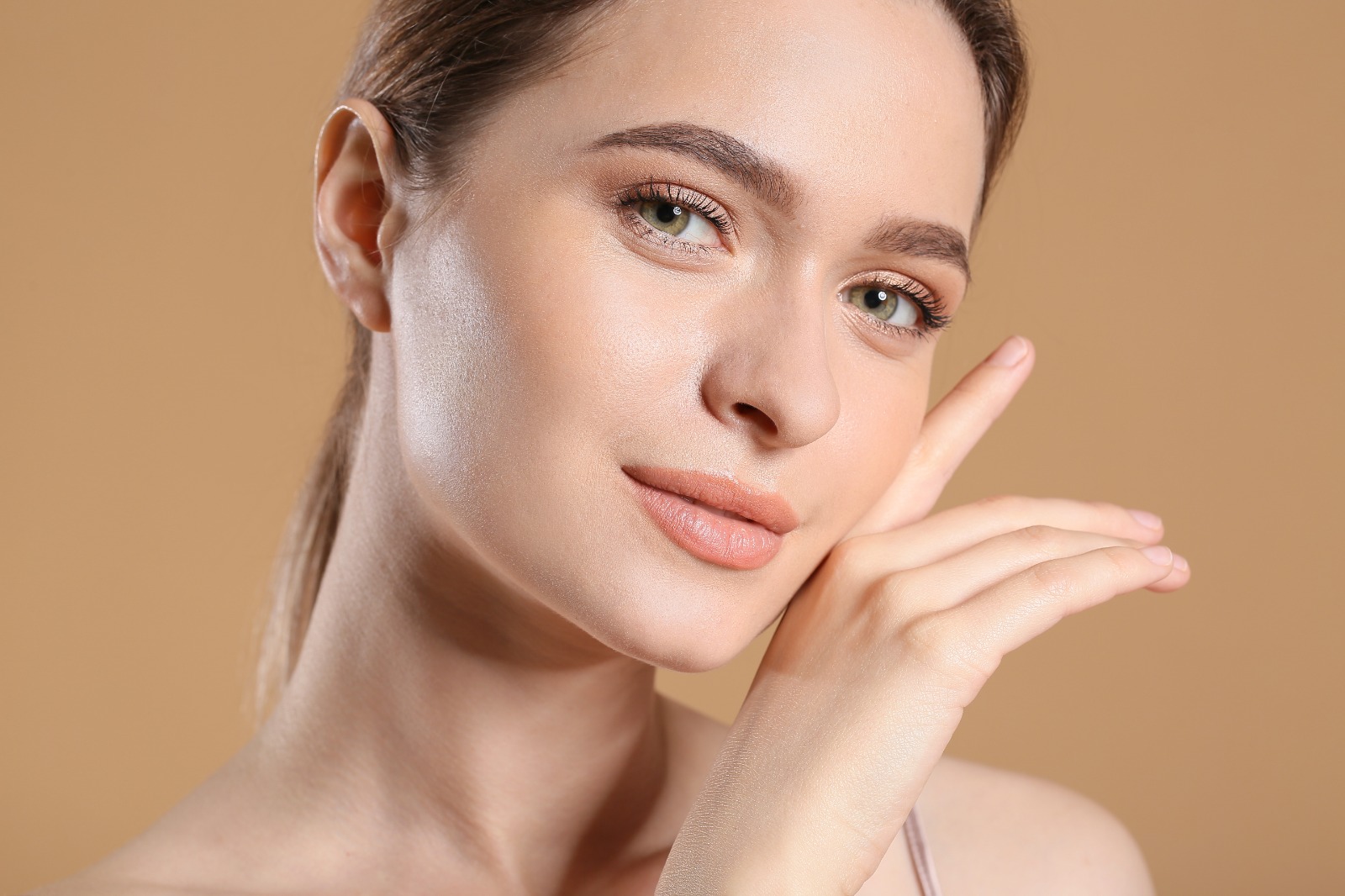
Upload the flat, gray, HDR-heavy portrait
Find the Pixel photo where the lighting looks muddy and your face feels two-dimensional. Starting with clean sensor data is the first step to improve dark hair portrait detail without crushing shadows completely.
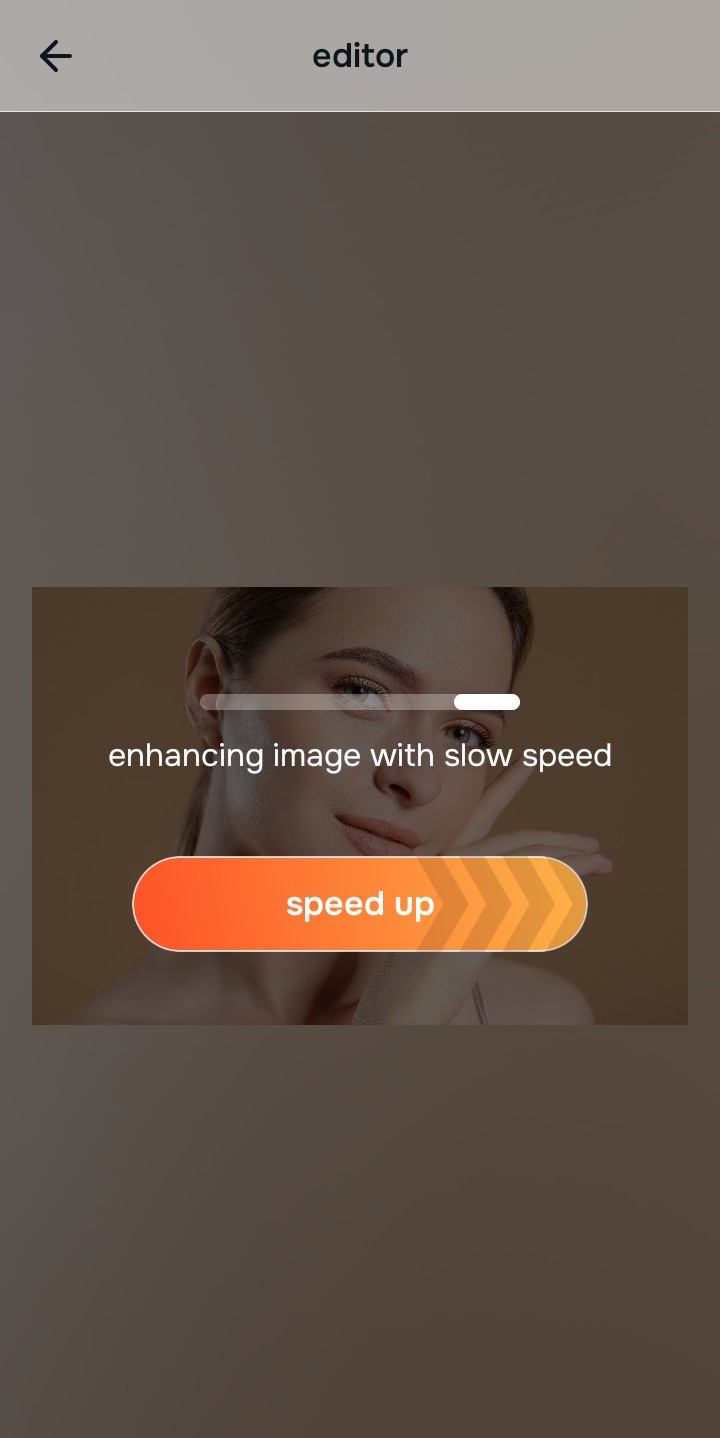
Let the instant preview calculate optical balance
Citrus provides an instant baseline correction immediately. Instead of just cranking a generic "brightness" slider, Citrus analyzes the computational HDR spread and maps where the natural shadows should be restored.
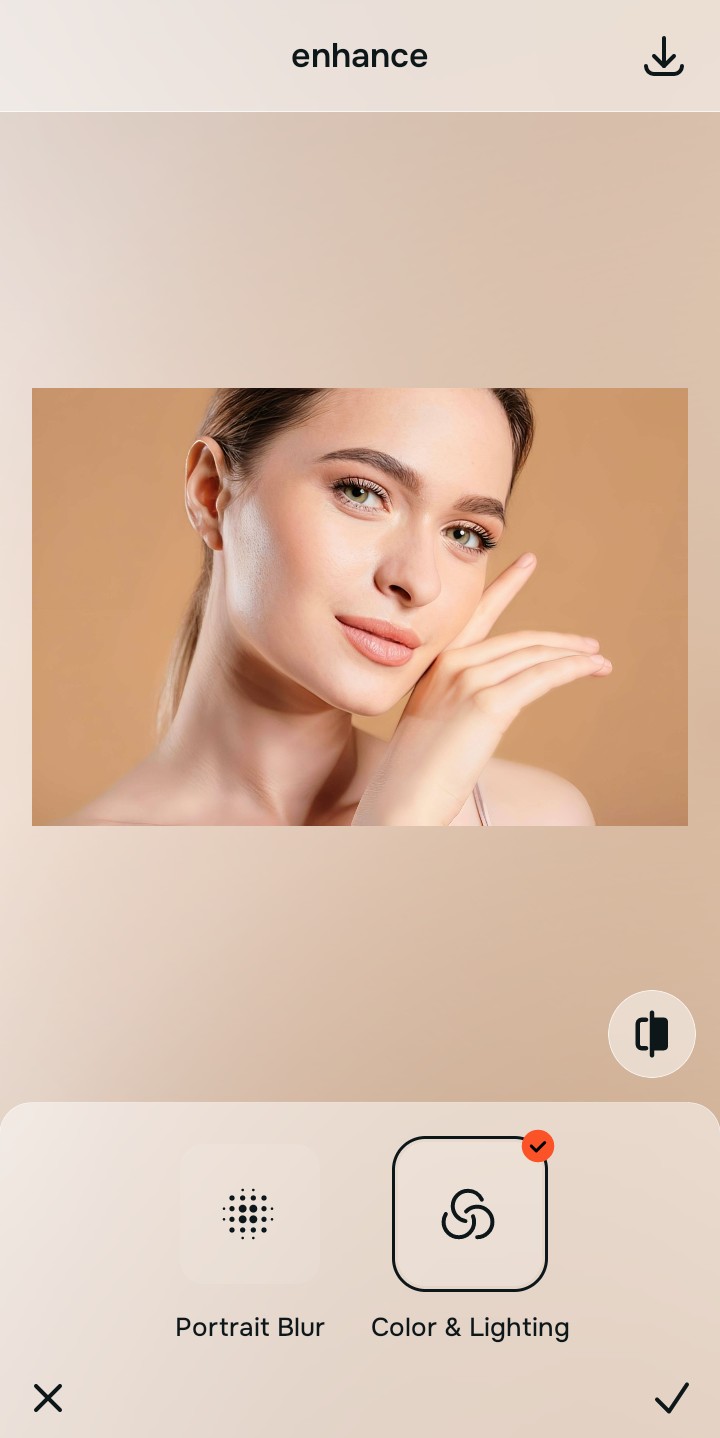
Tap Enhance and choose Colors & Lighting
Pixel's HDR flattens exposure, removing vitality from the skin. In Citrus, tap Enhance → Colors & Lighting. This mathematically restores the physical light curve, reintroducing necessary, authentic contrast and warmth to undo the gray, muddy tone safely.

Always balance global optical exposure before recovering facial volume. Reversing the base HDR damage mathematically ensures subsequent 3D enhancements look like real bone structure.
Tap Face and select Glow Up for 3D volume
When the Pixel lifted the shadows under your jawline and cheeks, it erased your bone structure. Tap Looks → Glow Up in Citrus. Select your preferred value from Level 1–5. This precisely targets facial geometry, recovering natural 3D volume without adding fake digital contouring.
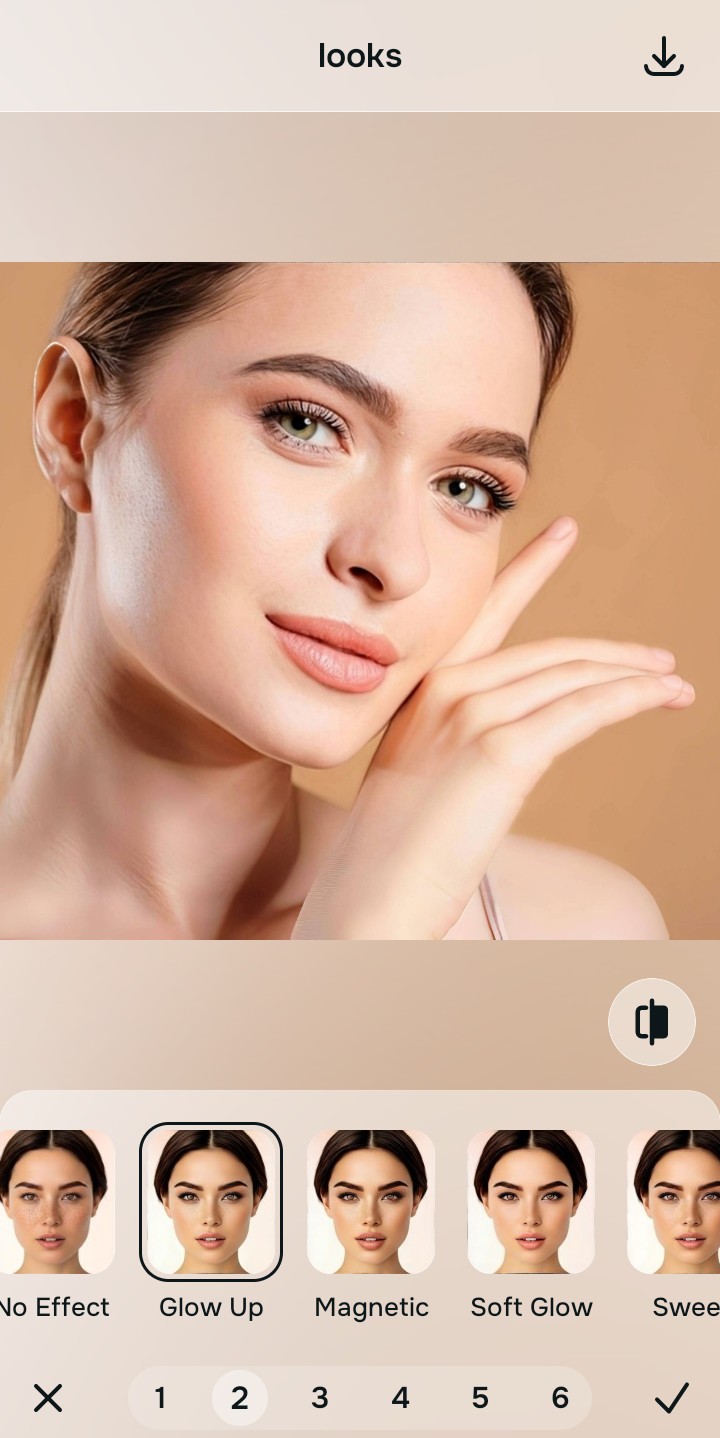
Export your high-resolution, uncompressed portrait
Citrus provides clean, unwatermarked HD exports completely for free, allowing you to seamlessly make photo look glowy and multidimensional before posting online.
How did HDR processing flatten your selfie?
Identify your primary optical hurdle to select the exact automated pathway in Citrus.
Aligning Your Edits with the Citrus Taxonomy
Instead of guessing which manual sliders will reverse Google's algorithms, Citrus categorizes enhancement into three distinct, mathematically safe pathways:
“Portrait enhancement should never require you to manually undo your camera's software mistakes. It must mathematically reverse computational HDR flattening so you look naturally radiant—effortlessly and instantly.”
Why Optical Calibration Beats Camera Auto-Processing
There is a massive structural difference between authentic optical depth and software-driven HDR processing. When a modern Pixel applies HDR+, it analyzes the image and artificially brightens dark areas to make sure everything is visible. While great for landscapes, this ruins human faces by removing the natural light fall-off that gives your features 3D shape.
Citrus is built specifically to reverse this. By constraining adjustments to mathematically calibrated Level 1–5 settings across Enhance, Looks, and Face, it simulates true optical depth, restoring natural shadows and bringing back authentic volume while strictly protecting your true facial geometry. You get a clean, DSLR-quality photo in one tap.