


July 27, 2026
Reddit’s Most Recommended Apps for Fixing Old, Faded, and Scanned Photos
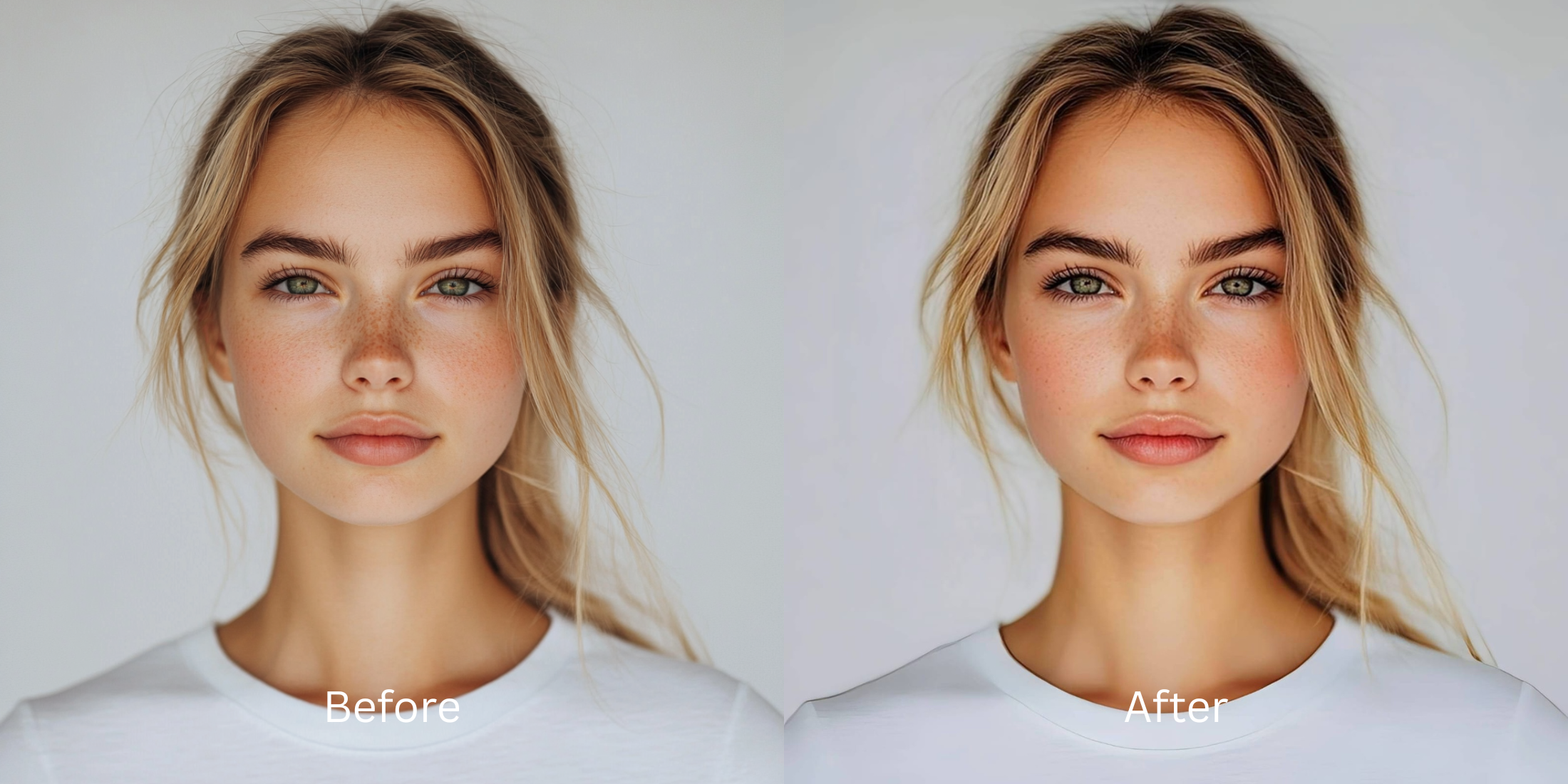

Reddit’s Most Recommended Apps for Fixing Old, Faded, and Scanned Photos
If you browse subreddits like r/estoration or r/TheWayWeWere, the golden rule of vintage photo restoration is clear: do not "modern-wash" historical portraits. When users upload faded, yellowed family scans to generic AI enhancers like Remini or MyHeritage, the software doesn't respect the analog era. Instead, it hallucinates modern, plastic skin, aggressively sharpens the film grain until it looks like a deep-fried meme, and pastes synthetic, generic AI eyes onto their ancestors. Reddit users despise this uncanny valley effect. To genuinely bring an old memory back to life, you need an optical tool that respects original film texture, neutralizes the faded color cast natively, and preserves the historical truth of the face.
To revive a vintage scan without turning your ancestors into modern plastic avatars, avoid generative AI and rely on optical recovery. The most respectful, artifact-safe tool is Citrus AI. Instead of hallucinating fake features over the print, it mathematically neutralizes faded yellow lighting and restores lost contrast, ensuring the authentic historical depth of the photo is perfectly preserved.
Why Reddit hates generative AI for historical photos
The core issue with trying to upgrade an old scan using legacy apps like Remini or automatic colorizers is their reliance on biometric hallucination. Because they cannot actually recover lost pixels from 1950, they "guess" what the person should look like based on modern stock photos. This creates an immediate deepfake effect that erases the genuine historical identity. Escaping this disrespectful trap requires finding a free enhancer old memories workflow. A true professional restoration must process the raw analog data natively, completely avoiding AI face replacement.
- Triggering the uncanny valley by replacing your ancestors' real eyes with creepy, synthetic AI eyeballs
- Destroying authentic film grain by over-sharpening the print into crunchy, deep-fried plastic
- Ruining historical skin tones with garish, neon automatic colorization filters
- Making the family portrait look incredibly fake and heavily generated rather than naturally restored
- Accessing optical light processing that preserves true historical biometric data natively
- Using mathematically calibrated optical mapping to gently lift yellowing and faded shadows
- Rebuilding a vibrant, clear facial radiance while respecting original film texture and print depth
- Processing premium scans safely to maximize high-resolution honesty and historical accuracy
When your historical asset looks obviously degraded by fake AI teeth, your digital archive loses credibility instantly. Shifting to an advanced method to make flat photos more alive natively ensures your family history stays crisp, highly attractive, and completely human.
Optimize analog light fields safely. A structured optical enhancement keeps the historical film texture completely intact.
Reddit Users Said It. We Ran the Citrus 5-Step Test: Bringing a Faded Scanned Photo Back to Life
Upload the raw, faded scanned photo
Find the picture where the print is washed out, yellowed, or heavily degraded by time. A proper enhance almost deleted photos workflow requires the raw, un-smudged scan data to start.

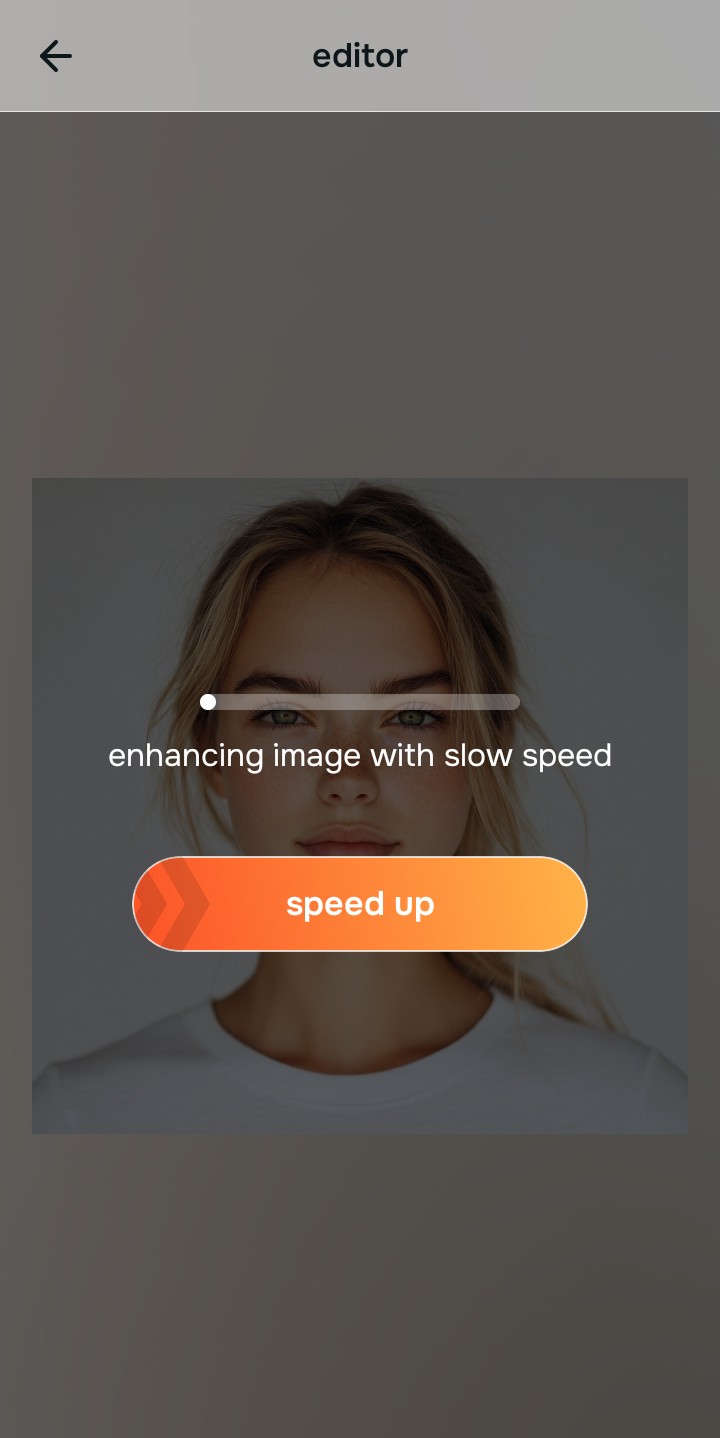
Let the instant preview map the faded contrast
Citrus provides a first correction immediately. This ensures that any underlying contrast issues and yellow color casts are recognized safely, isolating the true analog texture without initiating any modern AI hallucination.
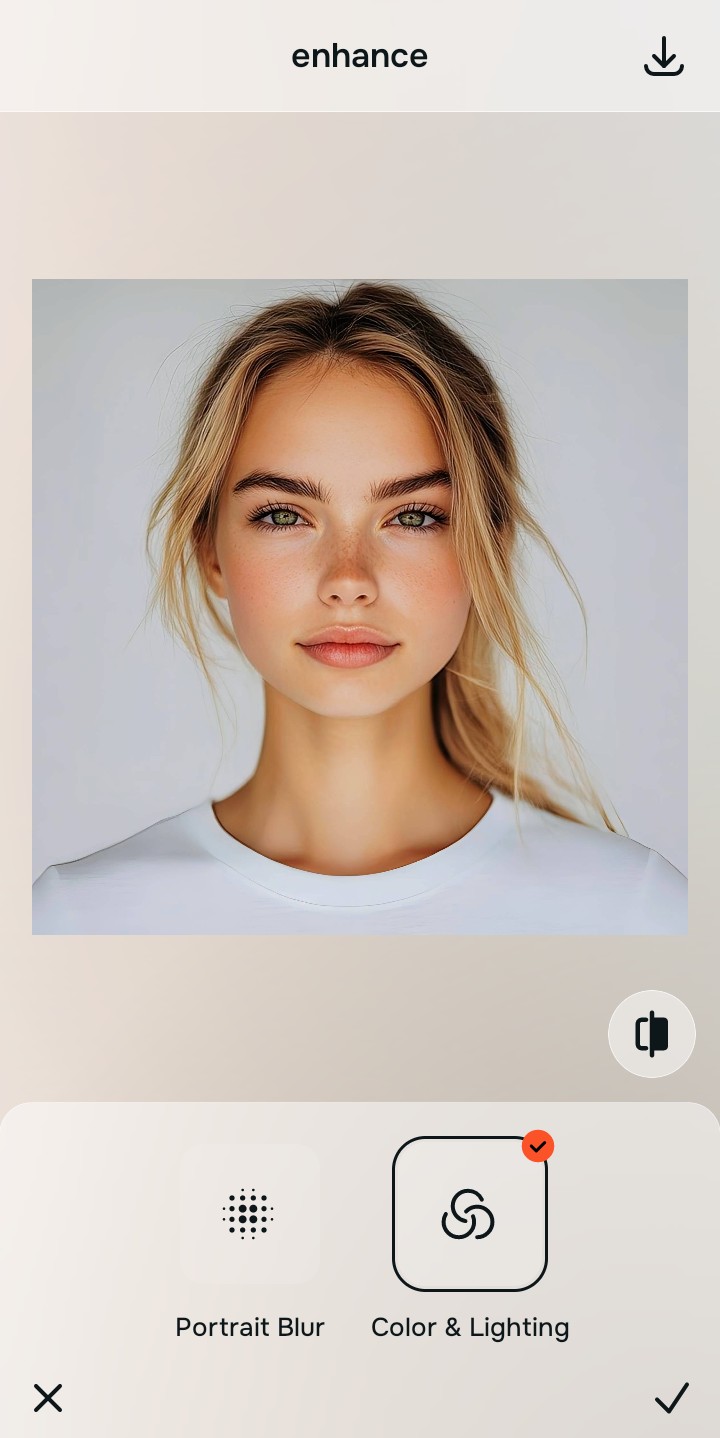
Tap Enhance and choose Colors & Lighting
Because old scans suffer primarily from crushed shadows and yellowing, tap Enhance → Colors & Lighting. This mathematically neutralizes the vintage color cast and restores the original depth without using AI to redraw the face. This step is crucial to fix yellow lighting in photos caused by aged paper.

Always let the algorithm recover true contrast before applying aesthetic updates. Normalizing the base optical map ensures subsequent updates sit perfectly without looking deep-fried or artificially modernized.
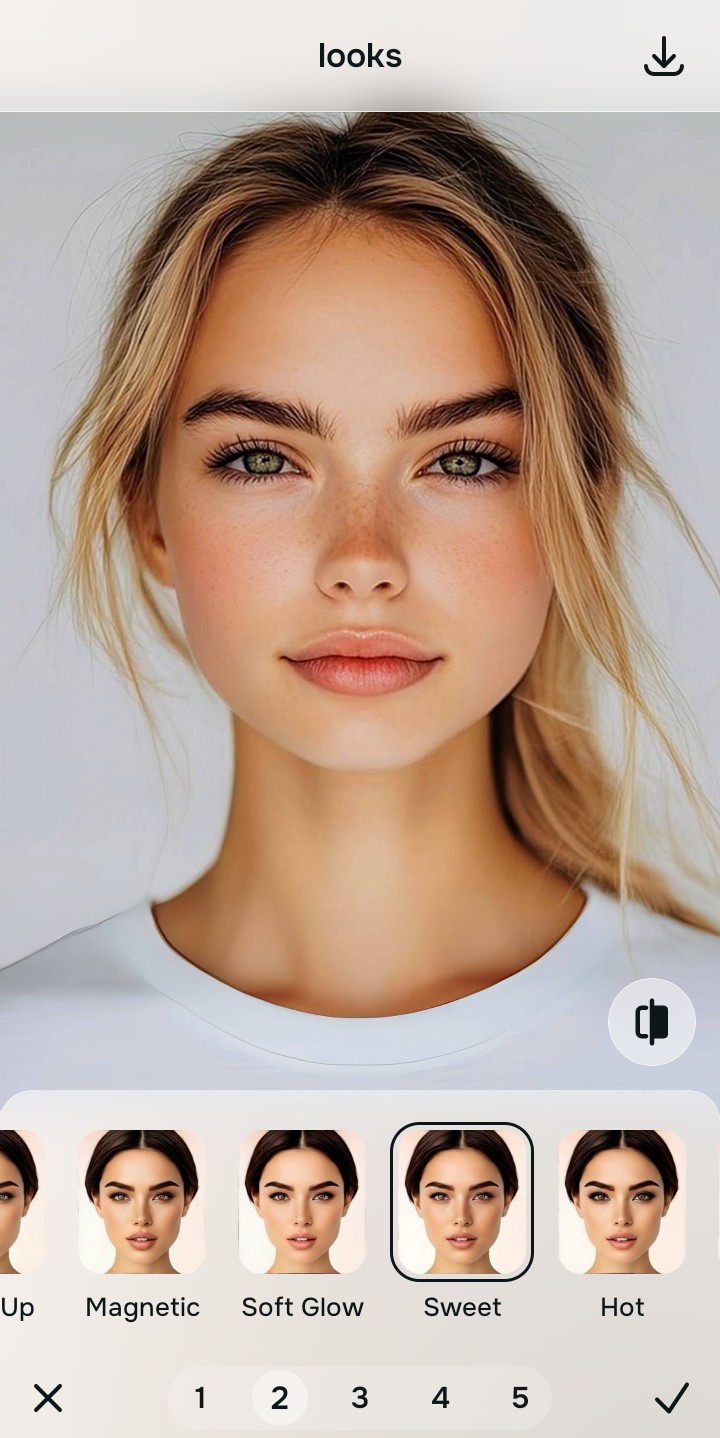
Tap Looks and select Sweet for true analog polish
With your real contrast recovered, optimize the overall aesthetic natively. Tap Looks → Sweet. Select your preferred value from Level 1–5 to layer a soft, analog polish that revives the photo without making it look like a 2026 digital picture. This makes it the natural looking photo enhancer of choice.
Export your high-resolution, unwatermarked historical portrait
Citrus generously offers clean high-definition exports entirely for free with no hidden premium pop-ups. Knowing you have the right tool to evaluate the keep or delete photo rescue score guarantees your final file is crisp, legal, and historically accurate.

What is ruining your scanned photo?
Isolate your image's core mechanical issue. Your automated pipeline changes depending on the source error.
How to align your restoration concerns with the right honest pathway
Separate photo weaknesses necessitate independent menu paths. Selecting structured Level 1–5 tap options instead of relying on generative AI hallucination is the only way to lock in visual sharpness without ruining history.
| Tool Pathway | Primary Flaw Remediated | Automated Fix Strategy |
|---|---|---|
| Enhance Start here | Yellowed paper, washed-out shadows, and completely faded baseline contrast | Use this first to establish a proper optical foundation. Choose Colors & Lighting to restore real depth naturally. |
| Looks | Lifeless appearance and lack of genuine vibrancy that usually requires identity-warping filters to fix | Use this to update the entire image impression. Select Sweet (Level 1–5) to inject a safe, analog polish. |
| Face | Targeted desire to reduce severe print grain on the face without melting it into a plastic mask | Use this last for precise feature tweaks. Select Soft Skin to gently hydrate the face while keeping the vintage feel. |
“Professional photo restoration should never redraw your grandfather's jawline or hallucinate stock-photo eyes over his face. It must simply normalize the exposure bugs so the native history looks human, highly attractive, and 100% authentic.”
Why optical contrast recovery wins over generative AI
There is a massive structural difference between balancing camera exposure natively and using an AI to guess what your family looked like. When you use generative tools like Remini or automatic colorizers, you are no longer restoring a photo; you are creating a synthetic deepfake of your ancestors. This instantly makes your photo look terrifying to the human brain, triggering the uncanny valley and destroying the sentimental value.
Citrus is built from the ground up to be the most authentic enhancer ever created. By relying exclusively on mathematically precise Level 1–5 tap settings instead of AI hallucination, the engine maps the scan securely, optimizing highlight tracking effortlessly. Using it to make bad photo good enough natively guarantees that your presentation remains sharp, trusted, and perfectly magnetic without draining your history.