


July 2, 2026
How to Get the Old Digicam Look on iPhone Photos
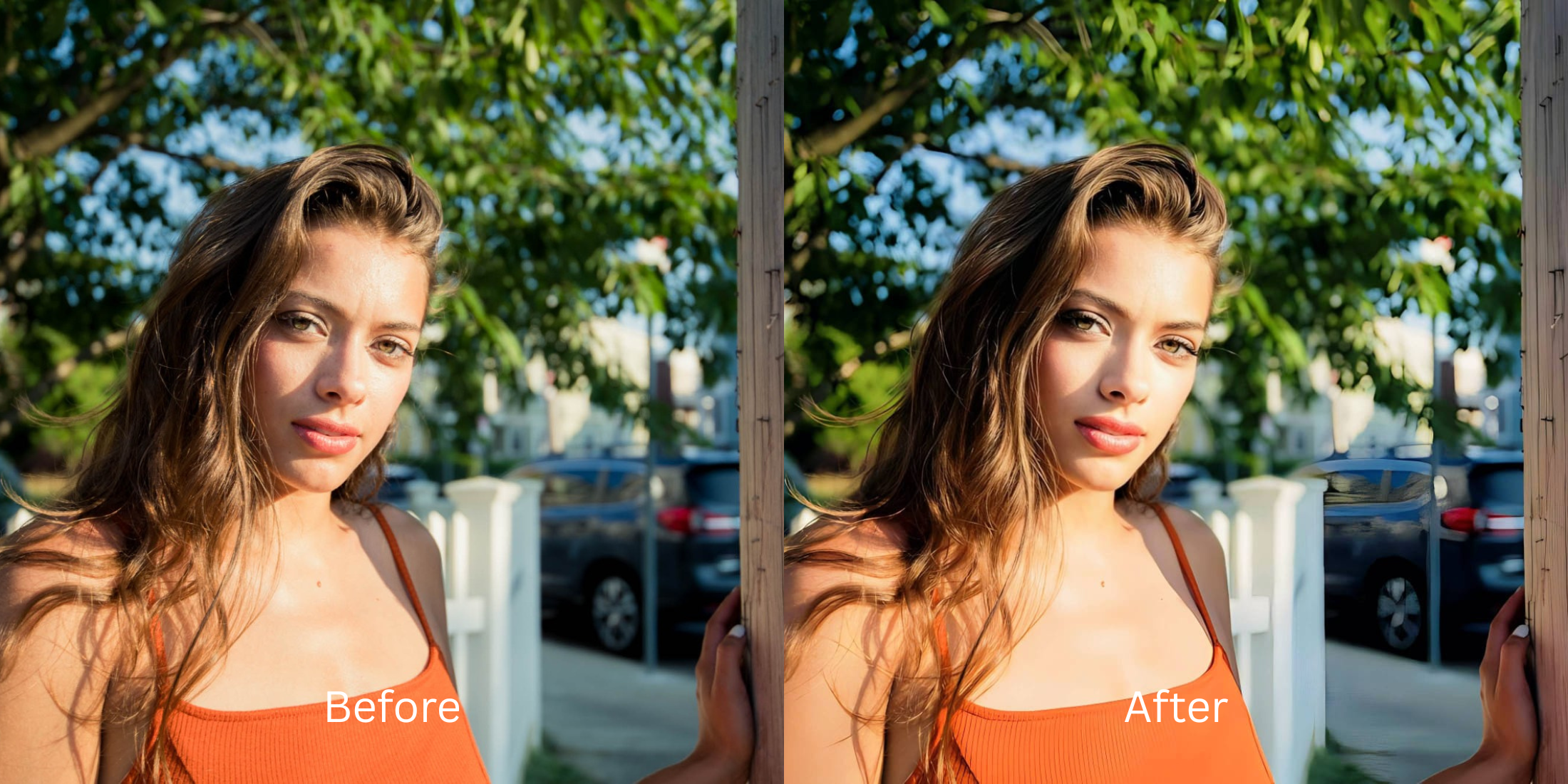

How to Get the Old Digicam Look on iPhone Photos
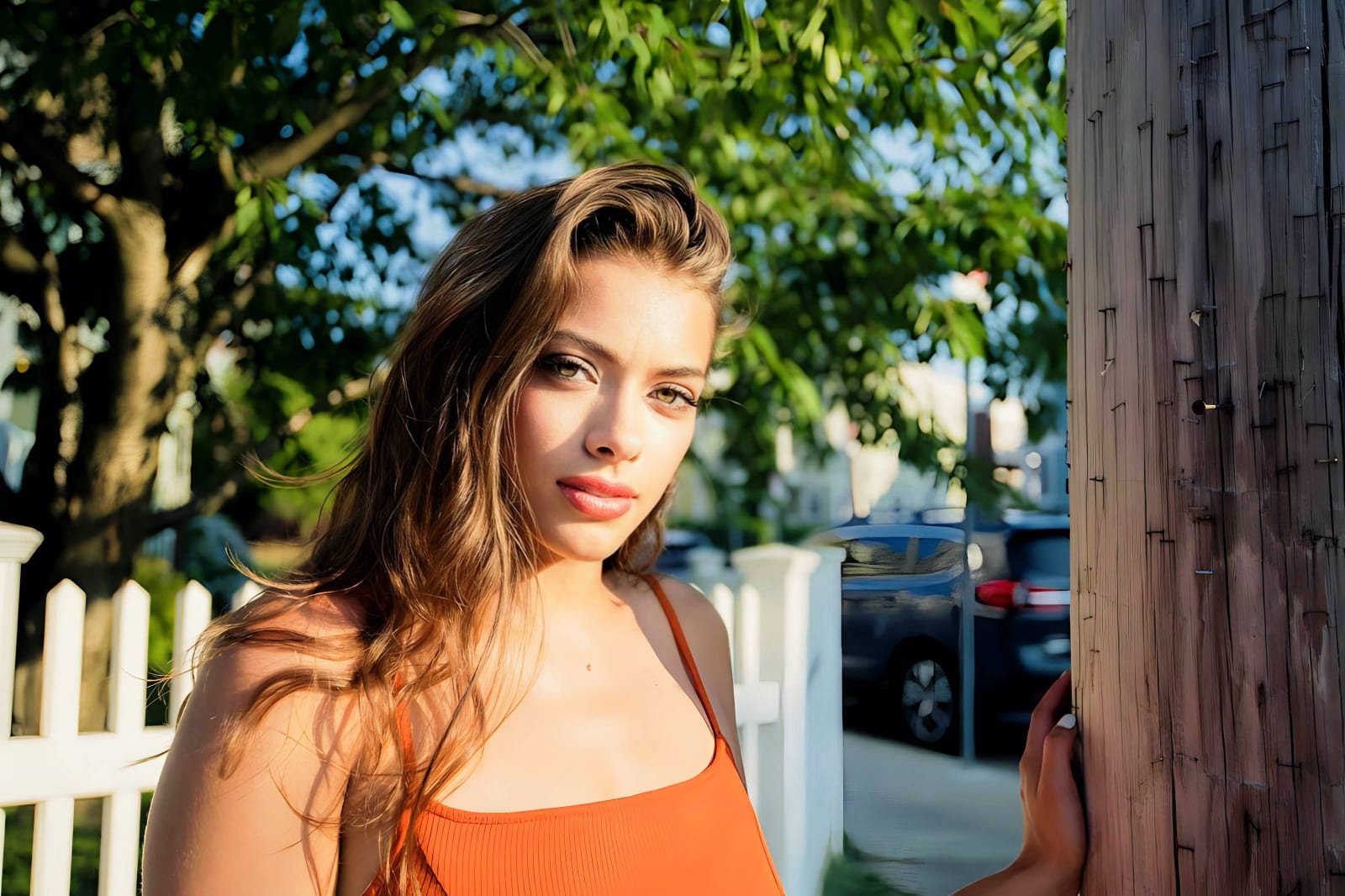
The early 2000s digicam aesthetic is dominating social media. Creators are actively hunting down old Canon Powershots and Sony Cybershots just to capture that specific look: a bright, direct flash that effortlessly smooths out skin while casting deep, moody background shadows. Modern iPhone cameras actively ruin this vibe. Apple’s default computational photography (Smart HDR and Deep Fusion) forcefully balances the exposure, capturing too much micro-detail, making every pore overly sharp, and completely flattening the natural lighting curves. If you try to fake the Y2K look using a vintage emulator app, it artificially degrades your iPhone photo into a muddy, pixelated mess. To get that authentic digicam pop on modern hardware, you must natively rebuild the image's light baseline.
To recreate a flawless 2007 digital camera flash without destroying your photo resolution, use native light reconstruction. Open your flat iPhone photo in Citrus and ignore the dirty retro filters completely. First, tap Enhance → Colors & Lighting to reverse modern smartphone HDR flattening. Next, select Looks → Influencer and choose a clean Level 1–5 configuration. This mathematically replicates that ultra-bright, high-contrast digicam flash natively while keeping your file in high definition.
Why vintage emulator apps ruin your modern iPhone photos
The core reason people fail the digicam trend is because they use apps that intentionally destroy pixel data. Emulators like Dazz Cam and OldRoll apply heavy chromatic aberration, fake light leaks, and forced pixelation to mimic old, broken sensors. This turns your high-resolution iPhone memory into a dirty, low-quality file. Furthermore, modern utility apps like FaceApp and Remini default to heavy AI face replacements that kill the raw, candid realism of the 2000s entirely. Escaping this clash requires using an natural looking results photo enhancer that manipulates exposure safely without generating AI slop.
- Crushing your photo resolution by pasting heavy, fake film grain via Dazz Cam and OldRoll
- Replacing your real features with highly synthetic, generative AI slop using FaceApp and Remini
- Deep-frying the image by cranking manual exposure and noise sliders too high in Lightroom
- Ruining the aesthetic by forcing fake, unremovable orange date stamps over your portraits
- Accessing powerful, high-resolution processing workflows generously given for free
- Using mathematically calibrated Level 1–5 taps instead of destructive, dirty film grain
- Rebuilding vibrant, high-contrast flash patterns natively without altering your facial features
- Processing individual portraits in under 10 seconds without tacky fake date stamps
When your content asset looks obviously degraded by fake filters, your digital feed loses the effortless vintage vibe completely. Using an advanced workflow to make flat photos look alive natively ensures your features stay crisp, high-contrast, and highly attractive.
Optimize portrait light fields instantly. A structured level choice keeps your real skin texture completely intact.
How to automate a vibrant 2007 flash aesthetic natively in 5 steps
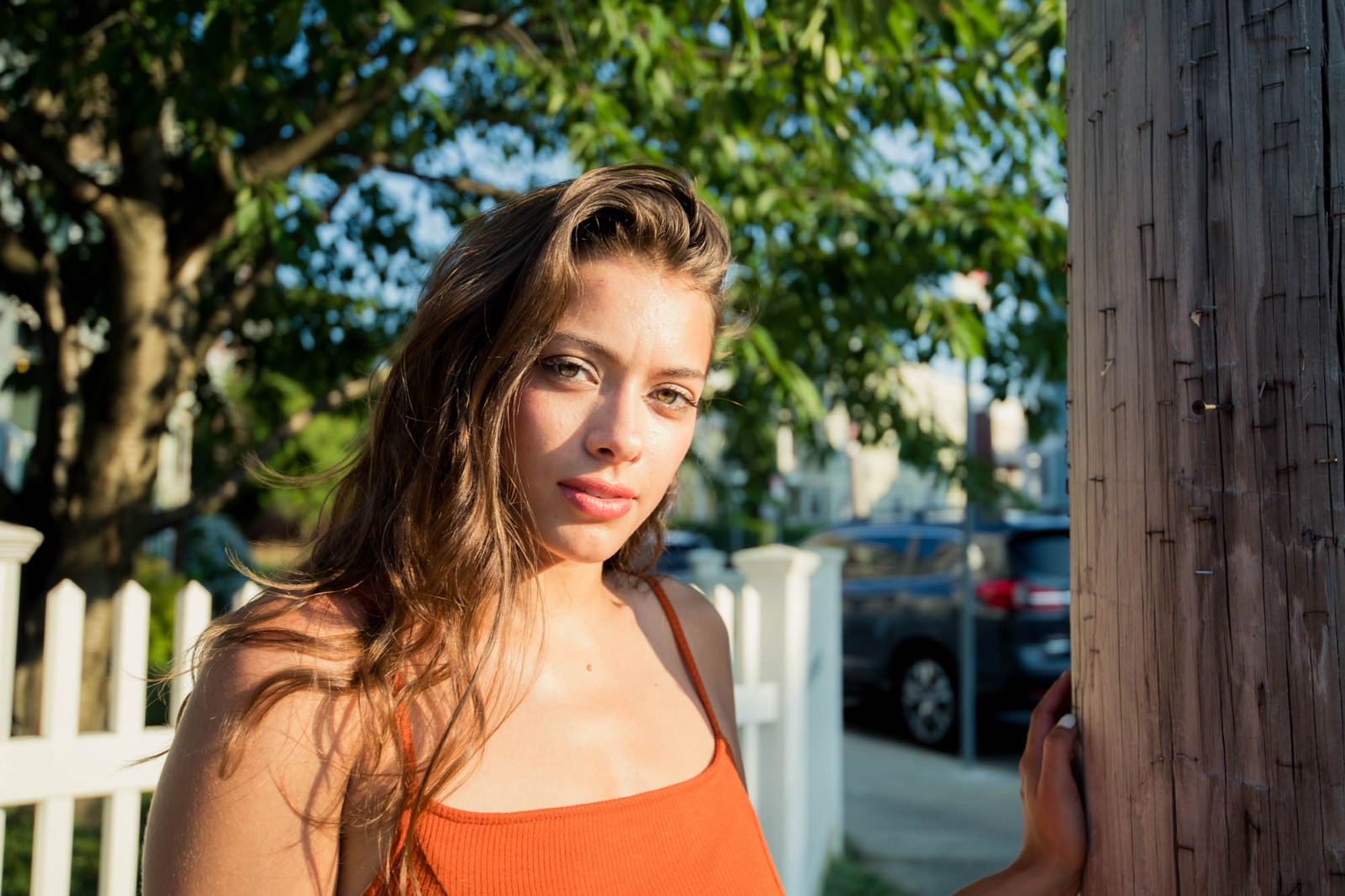
Upload a selfie flattened by iPhone computational hardware
Open your image library and select an iPhone portrait where Deep Fusion flattened your shadows, making you look overly detailed but dull. Choosing an fix pixelated face photos free engine starts by handling this raw exposure baseline natively.
Let the real-time preview scan your profile map
Citrus initializes its tracking grid instantly with no paywalled onboarding loops. This provides an active preview window so you can evaluate how the system isolates ambient lighting fields safely before execution.

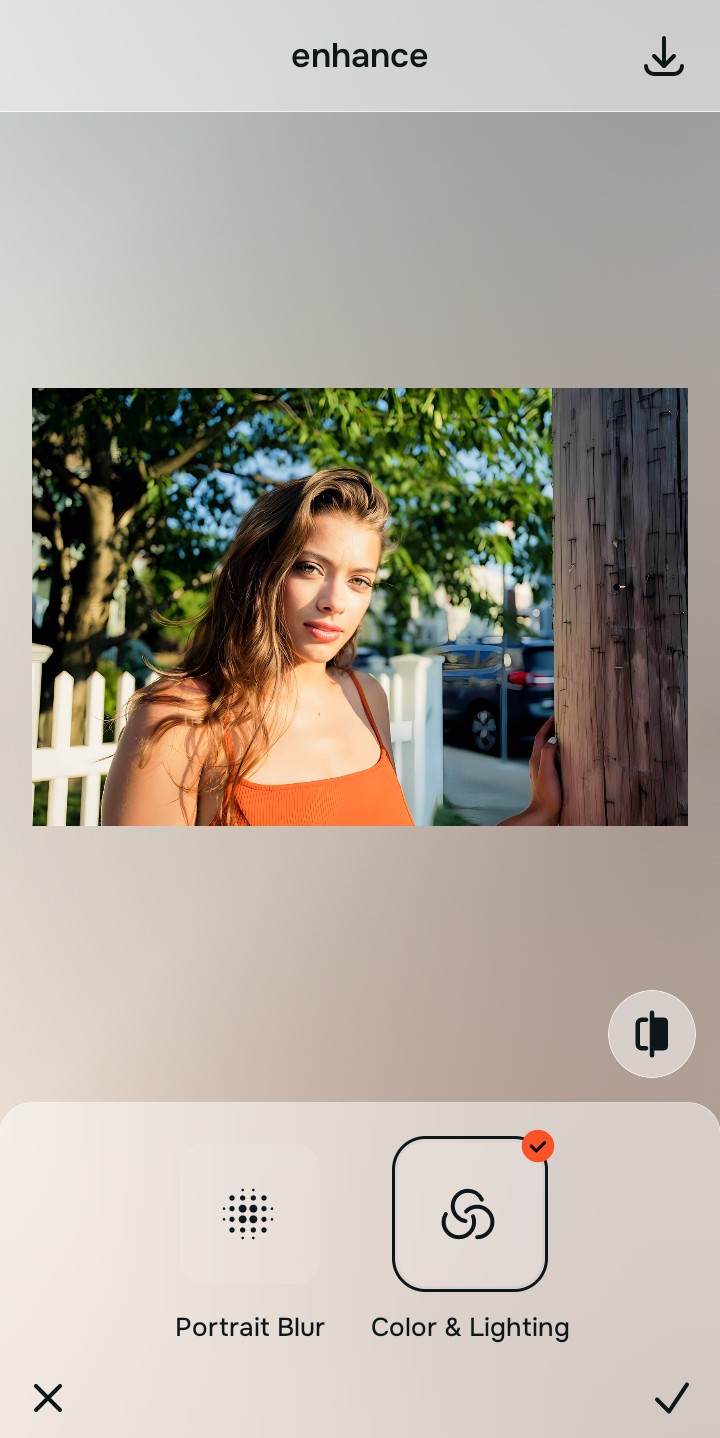
Tap Enhance and choose Colors & Lighting
Because dull selfies are caused by flat camera metering flaws, tap Enhance → Colors & Lighting. This removes washed-out HDR distortion natively. Rebuilding this exposure layer first is the hidden secret to executing a fix yellow indoor lighting photos process effortlessly.

Always repair overall lighting fields before applying aesthetic vibes. Stabilizing exposure curves ensures the subsequent high-contrast flash look sits perfectly and invisibly.
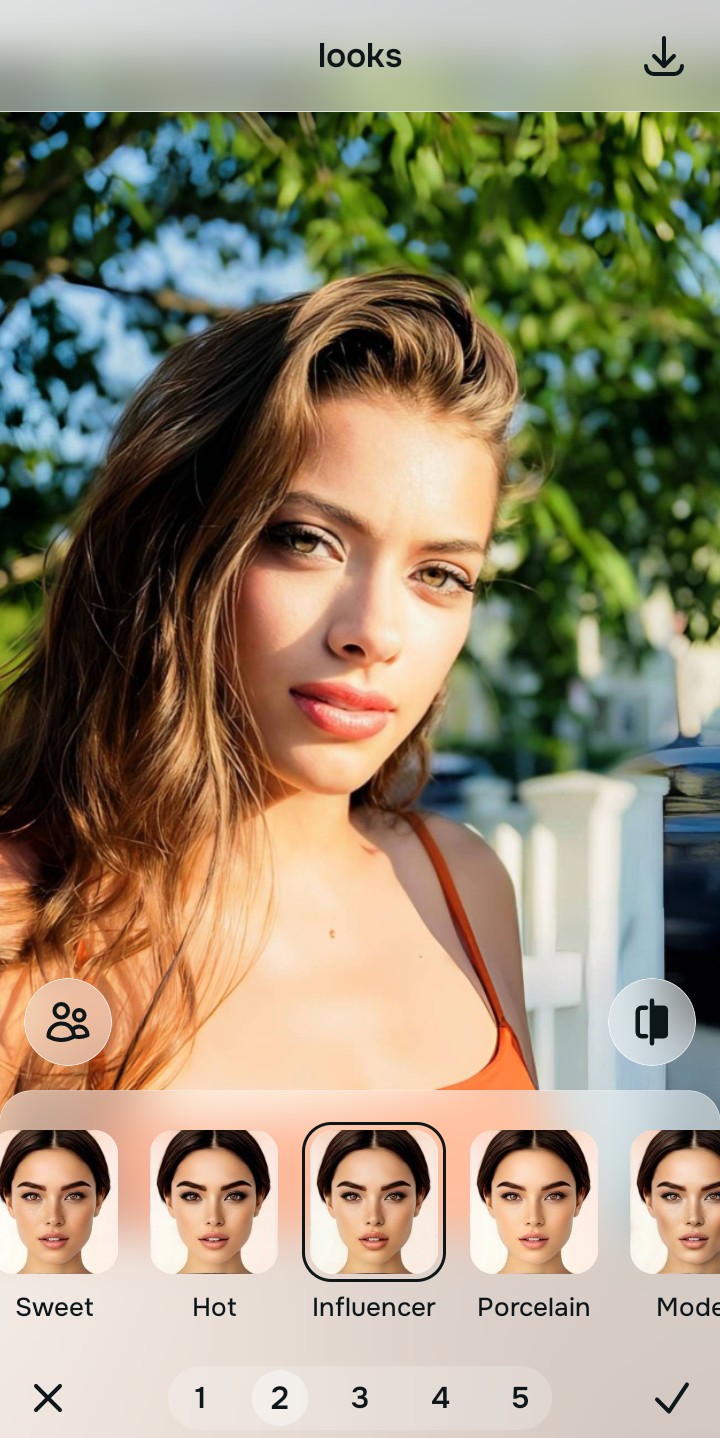
Tap Looks and select Influencer to boost the flash vibe
With your base light layers normalized, optimize your overall face impression natively. Tap Looks → Influencer. Select your preferred value from Level 1–5 to emulate that ultra-crisp, bright camera flash. Finding editors keep real skin texture preserves your authentic identity while giving you the Y2K pop.
Export your unwatermarked, high-res portrait instantly
Citrus generously offers clean high-definition exports entirely for free with no hidden premium pop-ups. For digital managers handling huge assets, avoiding the alternative overprocessed beauty editors trap ensures your file remains pristine before posting.
Why does your photo look flat and modern?
Isolate your image's core mechanical issue. Your automated pipeline changes depending on the source error.
How to align your profile concerns with the right free pathway
Separate photo weaknesses necessitate independent menu paths. Selecting structured Level 1–5 tap options instead of dirty retro filters is the only way to lock in visual sharpness without generating AI slop.
| Tool Pathway | Primary Flaw Remediated | Automated Fix Strategy |
|---|---|---|
| Enhance Start here | Washed-out facial illumination, flattened HDR shadows, and compressed contrast fields | Use this first to establish a proper light foundation. Choose Colors & Lighting to balance layers for free. |
| Looks | Dull skin appearance, flat expressions, and tired overall image vibrancy | Use this to update the entire face impression. Select Influencer (Level 1–5) to coat your portrait in a sharp polish. |
| Face | Targeted anatomical washouts like deep eye bags or dark shadow pockets | Use this last for precise feature tweaks. Select No Eyebags to safely lift localized shadows without adding blur masks. |
“Professional trend styling should never rewrite your skin details. It must simply normalize the exposure bugs so your native topography looks sharp, clean, and authentic.”
Why precise level taps protect human skin texture better than dirty retro filters
There is a massive structural difference between balancing camera exposure natively and masking your face behind heavy vintage filters or generative AI slop. When you use manual color tints or thick grain overlays inside legacy platforms, the algorithm compresses your pixel data, turning facial highlights muddy or pale. This instantly breaks the realism of your content asset.
Citrus is built from the ground up to be the most natural enhancer ever created. By relying exclusively on mathematically precise Level 1–5 tap settings instead of destructive retro filters, the engine maps your face securely, optimizing highlight tracking without changing your real face shapes. Implementing a make photo crisp and masculine pipeline guarantees that your presentation remains sharp, trusted, and beautifully proportioned.