


September 25, 2026
Why Does My Jawline Disappear in Front-Camera Photos?
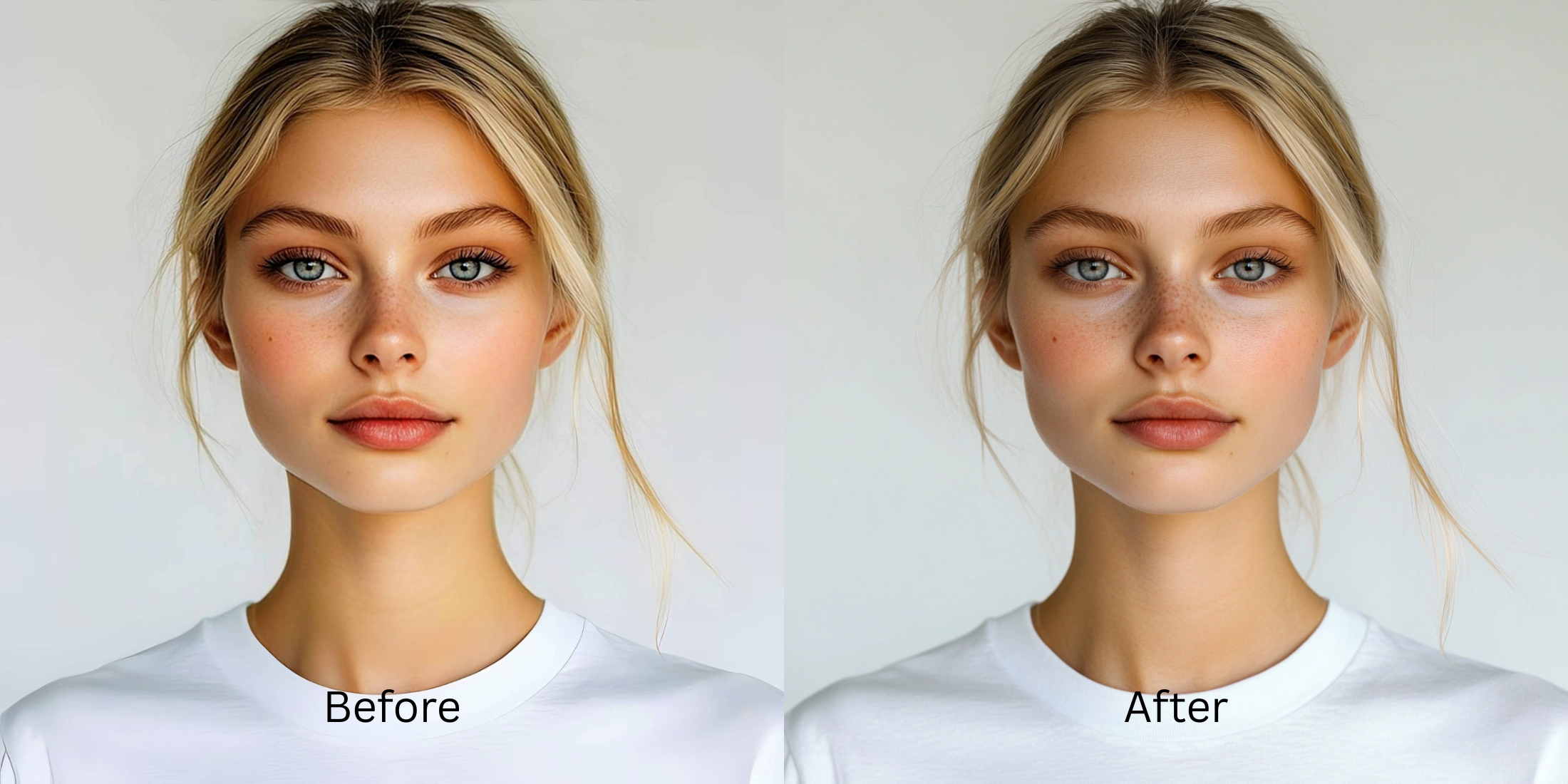

Why Does My Jawline Disappear in Front-Camera Photos?
It is a universal modern frustration: you look in the mirror, love your profile, and see a sharp, defined jawline. You pull out your phone to take a selfie, and suddenly your lower face looks soft, round, and your jawline has completely blended into your neck. What happened? You have fallen victim to "Wide-Angle Barrel Distortion." When you look in a mirror, you see a 3D reflection from several feet away (roughly a 50mm focal length). But when you take a selfie, your phone uses a 24mm wide-angle lens held mere inches from your face. The physics of this lens curves the image, bulging the center of your face outward while violently pulling the outer edges (your ears and jawline) backward. This heavy optical distortion hides your real bone structure. The real danger is trying to fix this with fake contouring apps. Standard AI attempts to paint dark shadows under your chin, which just looks like dirt. To restore the jawline you actually see in the mirror, you need Optical Focal Decompression. This mathematical process reverses the wide-angle bulge, pulling your jawline forward and restoring your true, human proportions.
Selfie cameras use wide-angle lenses that push the center of your face forward and pull your jawline backward, hiding your real bone structure. To fix this without looking fake, use Citrus AI. Instead of painting fake shadows on your neck, Citrus mathematically decompresses the barrel distortion, bringing your true mirror-accurate jawline back into focus.
Understanding the "Wide-Angle Barrel Distortion" Trap
The core issue with selfies is that smartphone lenses bend light in a way the human eye does not. Knowing exactly why face look wider is the first step to getting your jawline back.
- Pasting fake shadows under your chin that look like muddy dirt instead of natural depth
- Relying on generic jawline enhancement apps for natural results but getting AI-generated chins
- Over-smoothing the neck to hide the blend, completely destroying your real skin texture
- Failing to fix the actual wide-angle focal distortion that caused the problem in the first place
- Mathematically calculating the wide-angle lens curve and reversing it to pull your jawline forward
- Using tools that add cheekbone definition in selfies natively without generating synthetic geometry
- Functioning as the jawline and cheekbones look sharper solution without applying harsh digital contour
- Restoring the exact physical bone structure and natural shadows you see in your bathroom mirror
When software attempts to make your jawline sharper by painting shadows, you lose the essence of your identity. Shifting to an optical decompression workflow ensures your selfie finally matches the sharp reflection you trust.
Restore your mirror-accurate jawline. A structured optical enhancement mathematically decompresses wide-angle lens distortion to pull your natural bone structure back into place.
A 5-Step Test: Reversing Lens Distortion to Bring Your Jawline Forward
Upload the raw, unedited wide-angle selfie
Go directly to your camera roll and select the original selfie where your jawline disappeared into your neck. Do not attempt to use a basic warping tool or a generative AI app first. Providing the optical engine with the untouched sensor data is the only way it can accurately map the exact barrel curve applied by your phone's lens.

Let the instant preview map baseline geometry
Citrus provides an instant baseline diagnostic immediately. Rather than running a blind generative script that tries to paste a fake shadow under your chin, Citrus physically maps the mathematical stretch caused by the lens, identifying exactly where the focal plane pushed your jaw and ears backward.
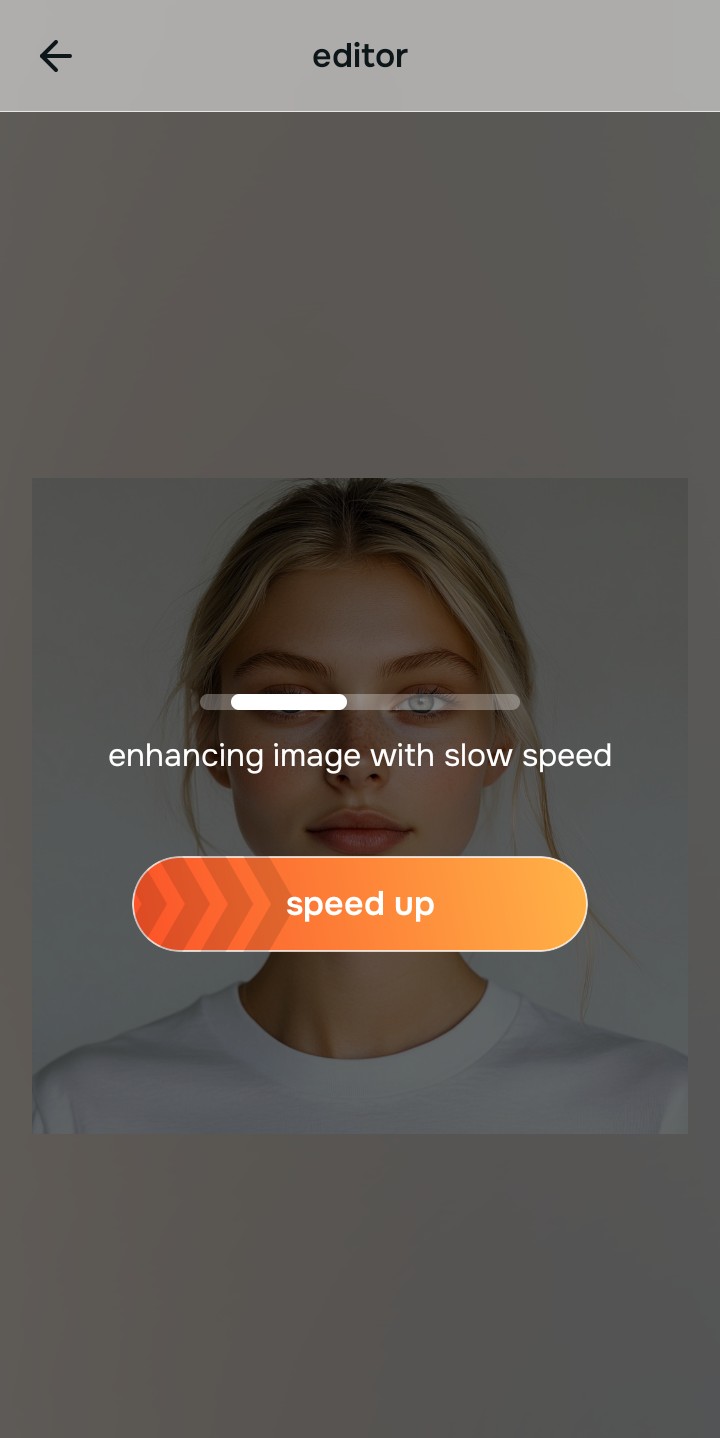
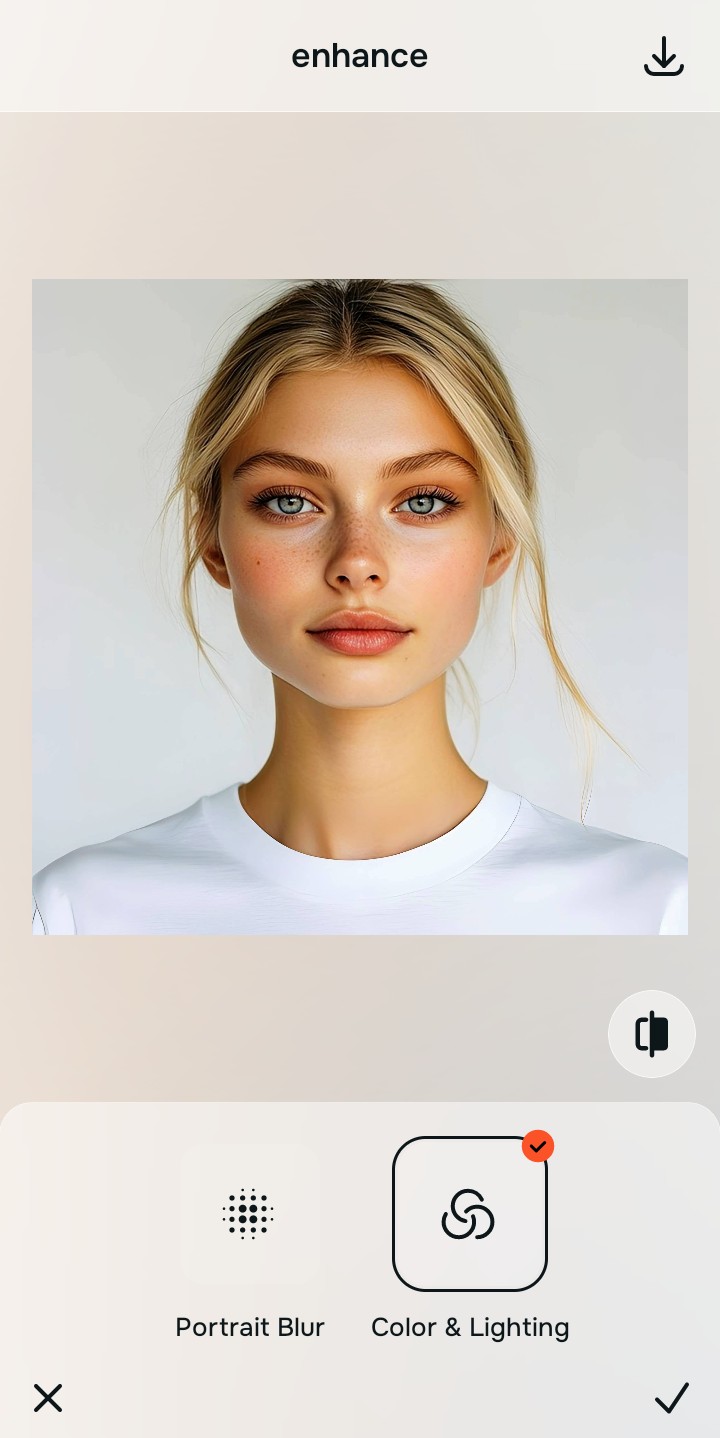
Tap Enhance and choose Colors & Lighting
Before fixing the geometry, you must secure the depth. A flatly lit selfie hides the natural shadows under your jaw that provide separation from your neck. In Citrus, tap Enhance → Colors & Lighting. This mathematically maximizes the baseline sub-pixel density and restores global contrast. It ensures that when your jawline is pulled forward, the natural shadows that define it are crisp, deep, and completely realistic.

Always structure the baseline optical density mathematically before adjusting facial proportions. Rebuilding depth natively ensures your neck and jawline won't blur together when the lens curve is reversed.
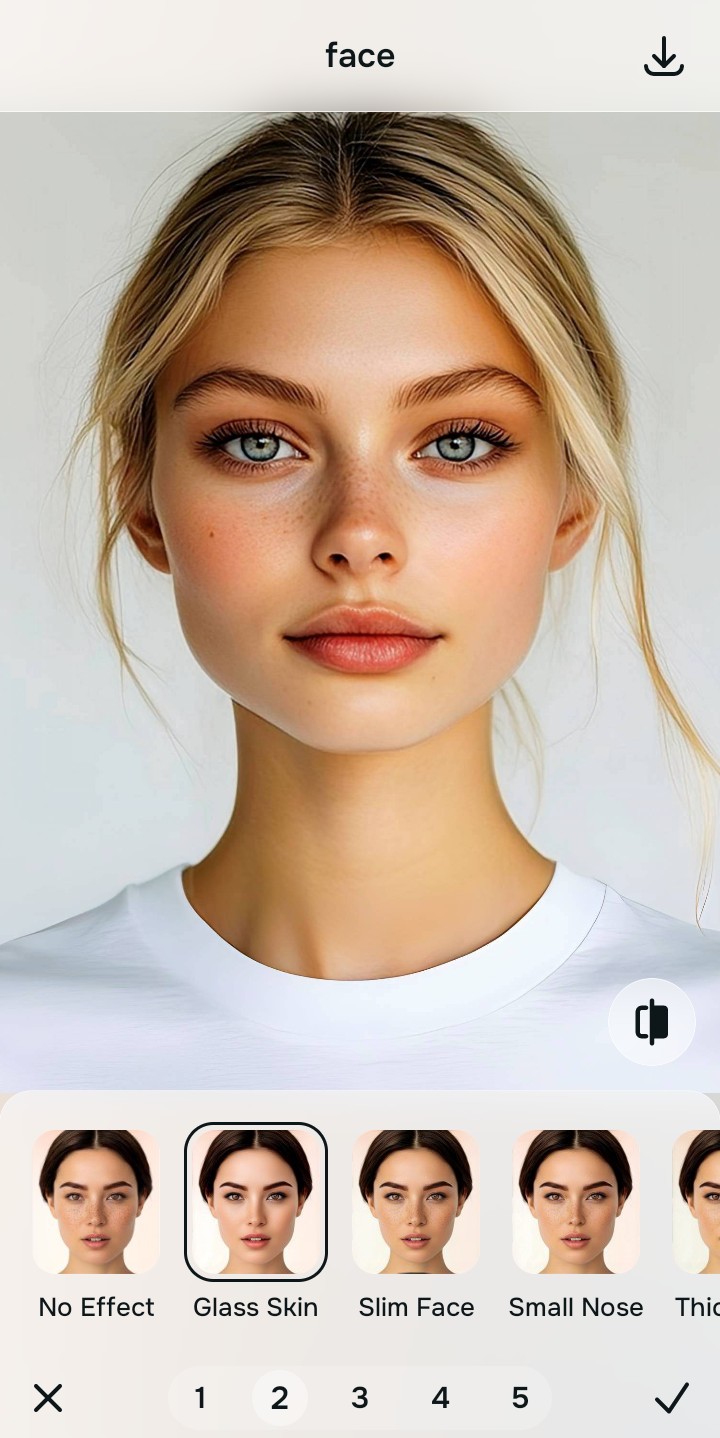
Tap Face and select Slim Face to bring the jaw forward
Wide-angle lenses naturally push your jawline backward, making your lower face look artificially soft and round. Tap Face → Slim Face (or Cheekbones) in Citrus. Rather than pasting fake contour onto your neck, this tool acts as an optical decompressor. It mathematically pulls the distorted edges of your lower face forward into their natural alignment, instantly restoring the sharp, defined jawline you actually see in the mirror.
Export your authentic, mirror-accurate master file
The optical decompression is complete. Save the unwatermarked master file to your device. Because you mathematically reversed the lens distortion rather than letting an AI paint muddy shadows on your neck, your jawline looks perfectly natural, structurally sound, and beautifully defined.

Why did your jawline disappear in this photo?
Identify your primary optical hurdle to select the exact automated pathway in Citrus.
Aligning Your Edits with the Citrus Taxonomy
Instead of gambling with generative apps that paint dirt-colored shadows under your chin, Citrus categorizes enhancement into three distinct, mathematically safe pathways based on preserving real geometry:
| Tool Pathway | Primary Flaw Remediated | Automated Fix Strategy |
|---|---|---|
| Enhance Overall Photo | Severe structural blur and flat lighting that destroys the separation between jaw and neck | Use this first to establish a proper optical foundation. Choose Colors & Lighting to restore deep, natural contrast securely. |
| Looks | Harsh, direct lighting that washes out the subtle shadows needed for jawline definition | Use this to update the entire face impression. Select Soft Glow to inject balanced, cohesive radiance seamlessly. |
| Face | Massive barrel distortion that pulls the edges of the face backward, hiding real bone structure | Use this last for precise feature tweaks. Select Slim Face or Cheekbones to optically decompress the lens curve and bring the jaw forward. |
“Jawlines do not disappear because you gained weight in two seconds. They disappear because a 24mm wide-angle lens violently pushed your ears and jaw backward. Decompress the lens, and your jawline comes back.”
Why Focal Decompression Beats Fake Contour
There is a massive optical difference between physical focal decompression and generative shadow mapping. Generative AI tools (like typical beauty editors) do not understand focal lengths. When they see a soft jawline in a selfie, they assume you have no bone structure. To "fix" it, the algorithm often paints a dark, muddy shadow along your jaw, or worse, forcefully warps the pixels of your neck until it looks like you are choking. The result is terrifying. Because human lighting changes naturally, painting a static shadow under your chin instantly triggers the "uncanny valley." It looks like dirt, not depth.
Citrus is built on strictly non-hallucinatory optical physics. By organizing adjustments into mathematically calibrated Level 1–5 settings across Enhance, Looks, and Face, it operates entirely within the boundaries of your image's physical data. It recognizes that the soft, round look is caused by lens barrel distortion, not your actual neck. It uses Optical Focal Decompression to gently reverse the stretch of the 24mm lens, pulling the edges of your face forward into alignment natively. You get a crisp, vibrant, professional-grade master file that looks exactly like the sharp reflection you trust in the mirror—no muddy shadows, no warped necks, and absolute authenticity.