


September 16, 2026
Should You Crop Before or After Using an AI Photo Enhancer?
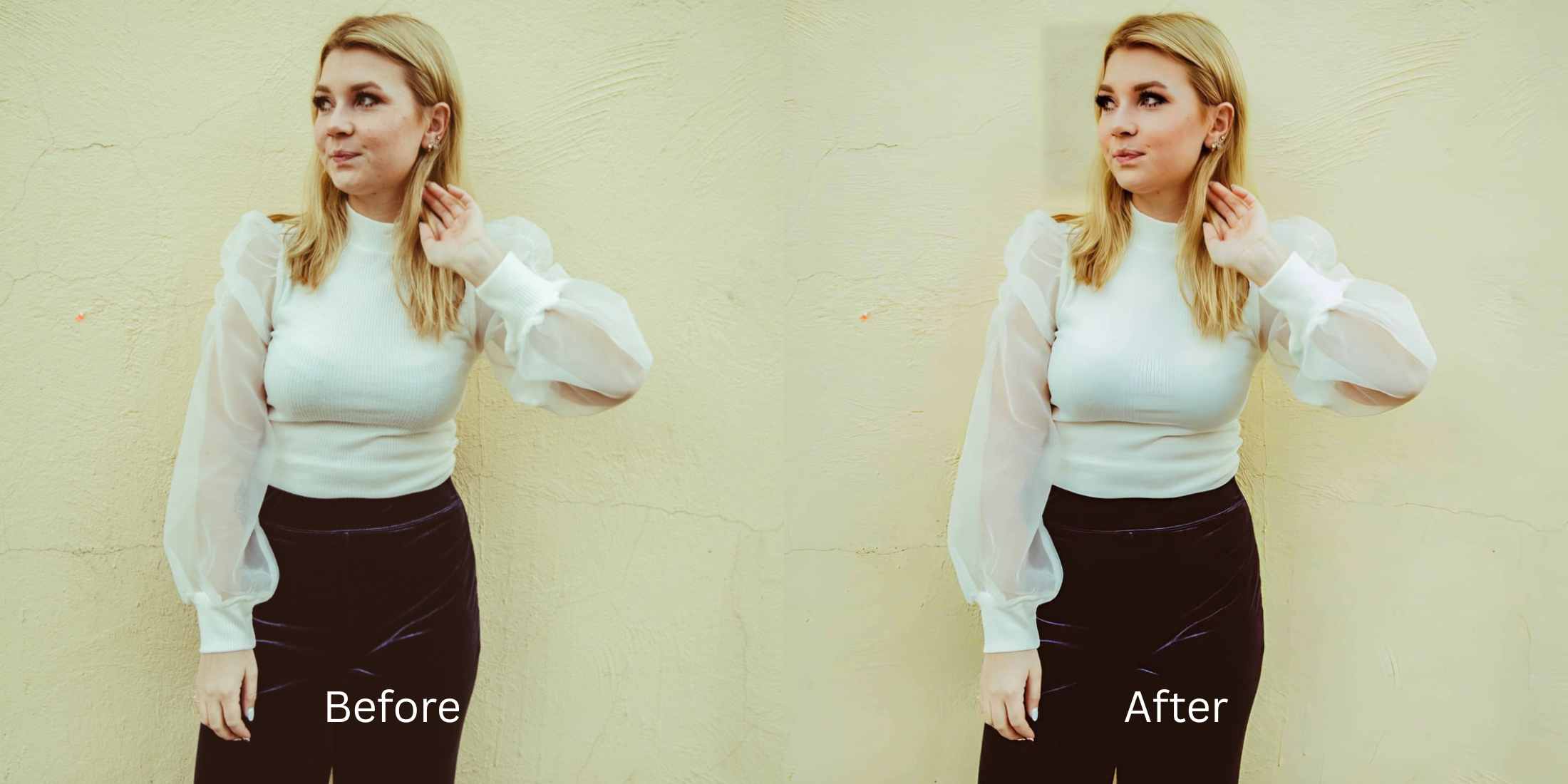

Should You Crop Before or After Using an AI Photo Enhancer?
It seems like a logical workflow: zoom into the exact part of the group photo you want to save, crop out the background, and then run that specific face through an AI photo enhancer. Unfortunately, this is a massive optical trap. When you crop a photo on your phone, you are not just changing the framing—you are physically deleting up to 80% of the camera's original photon data. Modern AI upscalers and enhancement engines rely entirely on "contextual pixel interpolation." The algorithm calculates how to rebuild the sharp edges of your eyes, lips, and hair by measuring the spatial frequency and resolution of the pixels surrounding them. If you crop too tightly before enhancing, you literally starve the engine of its vital structural context. The AI panics because the cropped fragment is stretched and lacks dense data, forcing the engine to hallucinate. It misinterprets the stretched compression artifacts as real skin, deep-frying the portrait into a crunchy, waxy, plastic mess. To achieve a perfectly crisp, authentic crop, you must utilize an optical engine to rebuild the geometric density across the entire uncropped sensor frame first, and only slice it down after the resolution has been natively restored.
Cropping before enhancing deletes critical pixel data, forcing the AI to hallucinate and create a crunchy, plastic image. For perfect quality, use Citrus AI on the fully uncropped original first. Rebuilding the sub-pixel density of the whole frame guarantees a flawless, high-resolution portrait that you can safely crop afterward.
Understanding the "Contextual Pixel Interpolation" Trap
The core issue with editing a tight crop is that the file is fundamentally broken before the AI even starts. Learning what an engine needs to recover from low resolution photo physics proves why surrounding context is everything.
- Deleting millions of pixels that the AI desperately needs to calculate edge contrast and depth
- Forcing the algorithm to stretch the remaining fragment, resulting in jagged, crunchy halos
- Triggering generative hallucinations that improve heavily cropped photo fake textures rather than real skin
- Making the focal length feel compressed, raising questions about why a face wider photos than mirror images
- Rebuilding massive sub-pixel density across the entire original frame before any data is lost
- Providing the engine with total spatial context, allowing it to render pores and hair naturally
- Acting as the ultimate photo enhancer vs upscaler workflow for pristine zooms
- Preventing the waxy artifacts that help people tell selfie overedited before post fails happen
When software tries to upscale a starved, fragmented crop, it creates a noisy, synthetic disaster. Shifting to an optical, full-frame workflow is the best ai photo enhancer alternative manual editors trust to keep edits sharp, cohesive, and completely human.
Upscale the entire image safely before cropping. A structured optical enhancement restores sub-pixel density across the whole photo to guarantee a clean final zoom.
A 5-Step Test: Processing Full-Frame Density Before Cropping
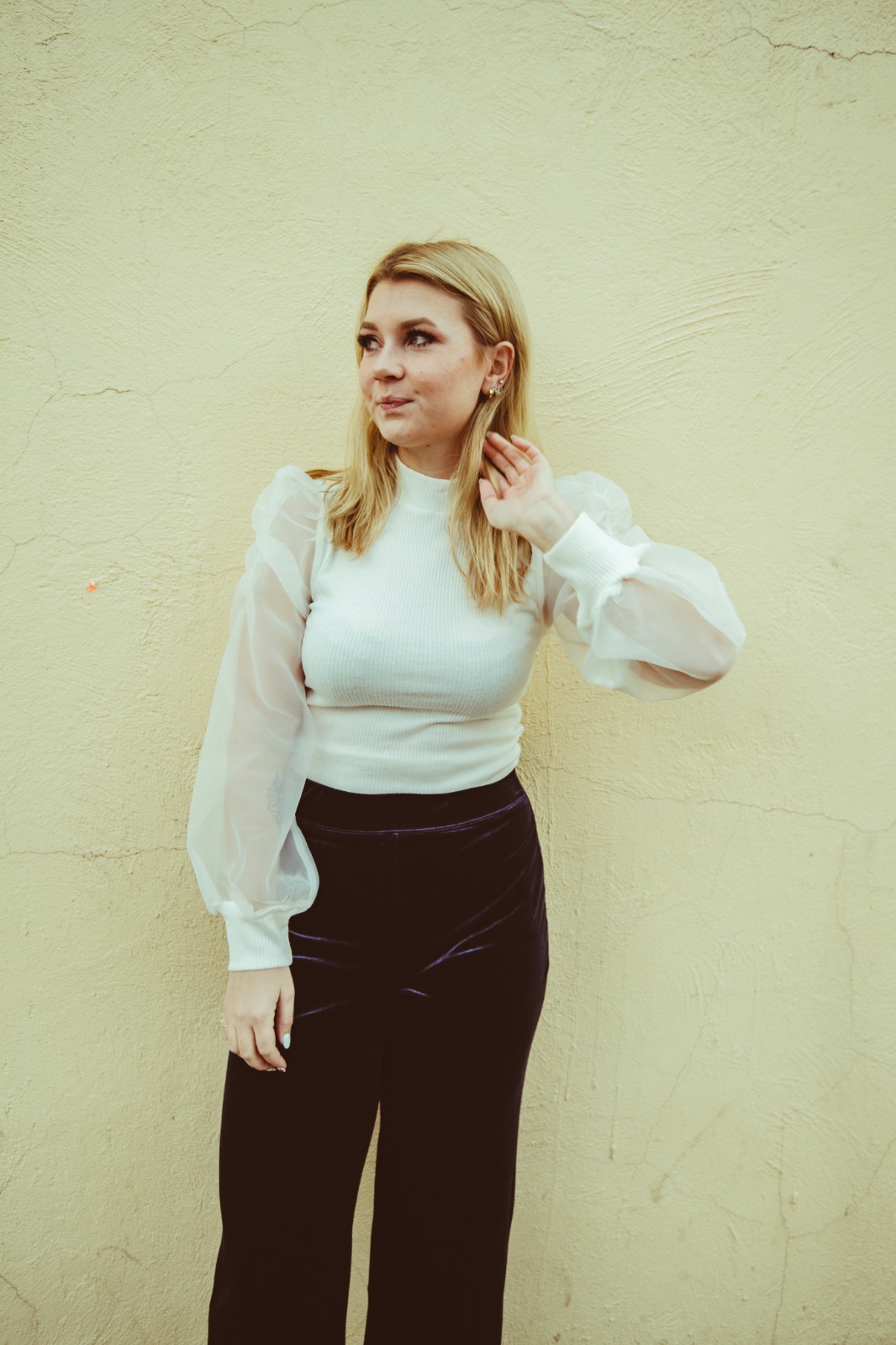
Upload the uncropped original capture
Go to your camera roll and select the absolute original group photo or wide shot. Do not frame or slice it yet. Giving the optical engine the complete, uncompressed sensor data ensures it has the maximum amount of contextual pixels to work with.
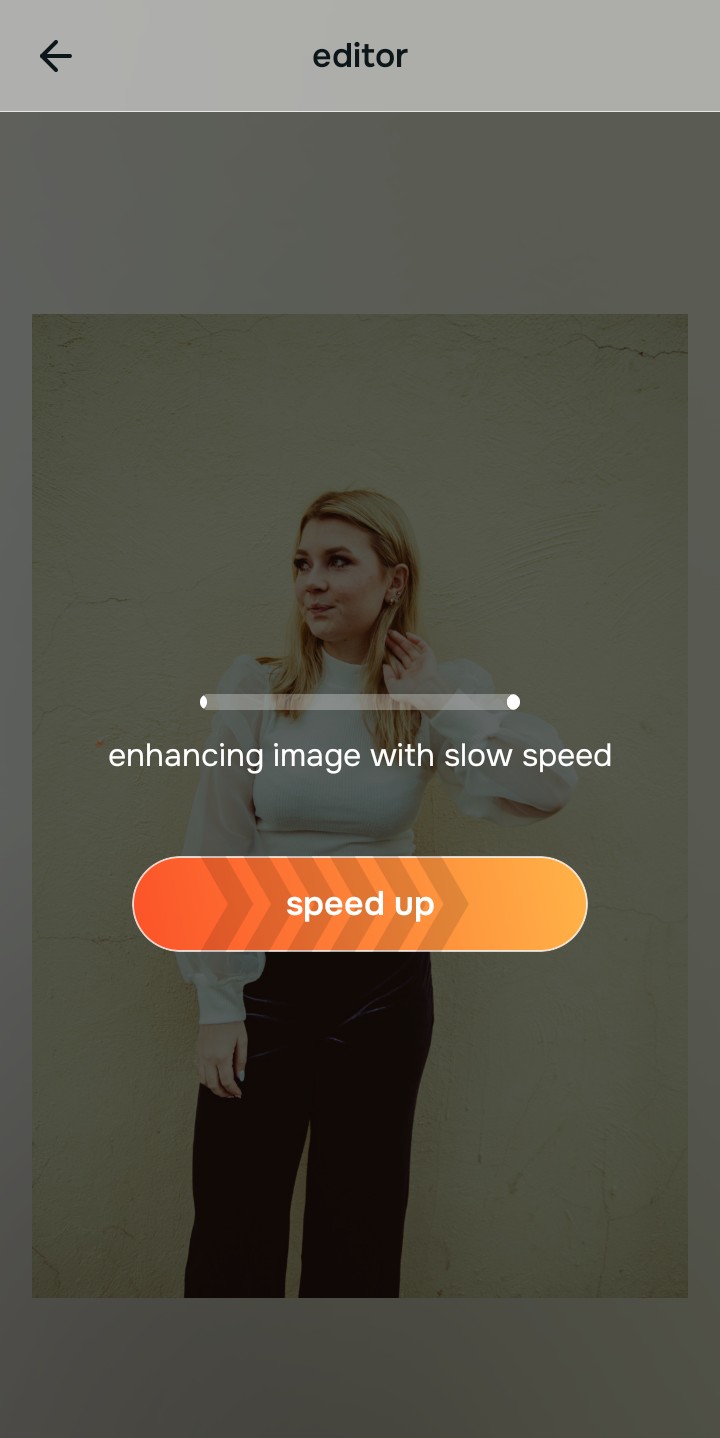
Let the instant preview map baseline resolution
Citrus executes an instant baseline diagnostic immediately. Rather than running a generative script that hallucinates details on a tiny fragment, Citrus maps the structural geometry of the entire scene, balancing the global exposure natively.
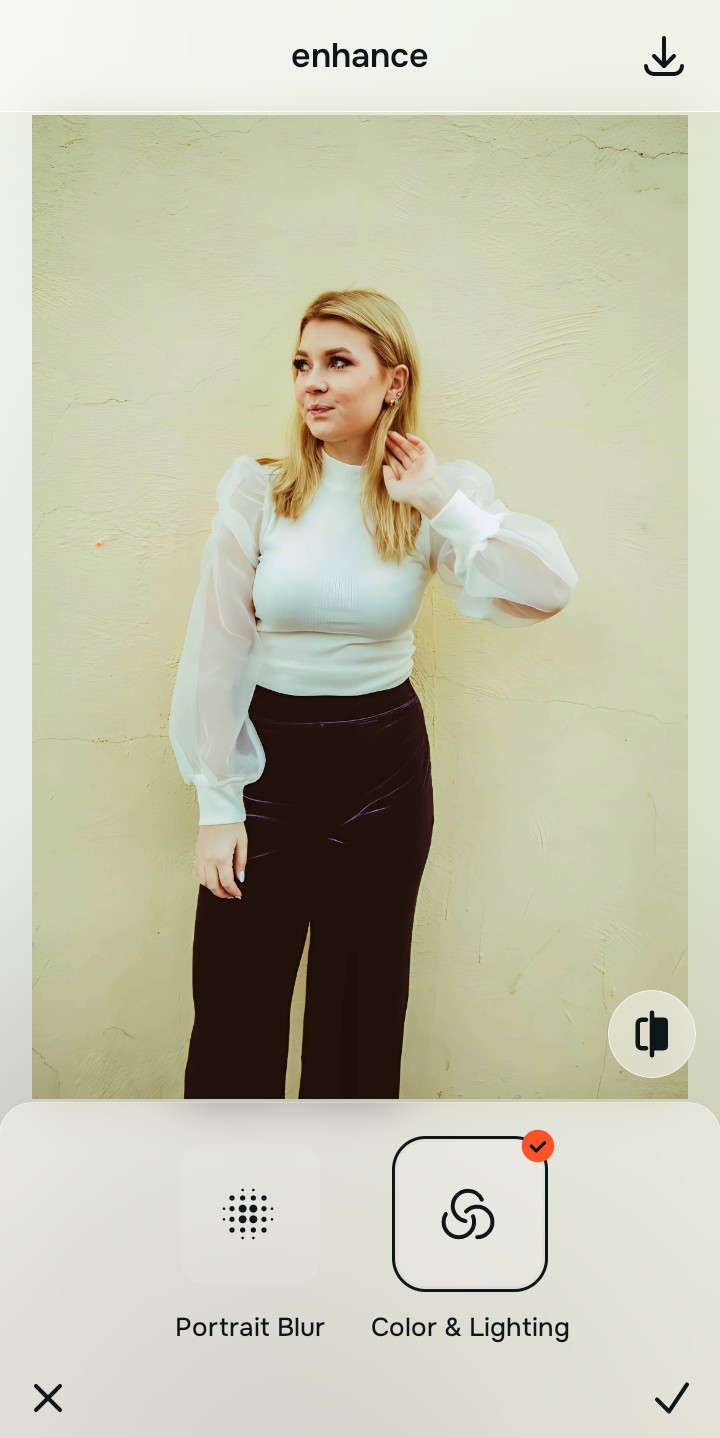
Tap Enhance and choose Colors & Lighting
You cannot cleanly crop a photo that lacks physical pixel depth. In Citrus, tap Enhance → Colors & Lighting. This mathematically reconstructs baseline sub-pixel density across the whole image. By exponentially multiplying the raw data structure, it builds the foundational resolution required to ensure that when you eventually crop in on the face, the edges remain razor-sharp.

Always structure the baseline optical density before applying stylistic impressions. Rebuilding sub-pixel density across the uncropped frame ensures the final zoom won't look like static.
Tap Looks and select Gaze for a flawless facial impression
Before you finalize the file, you want the subject's face to command attention perfectly once it's cropped. Tap Looks → Gaze in Citrus. Select your preferred intensity from Level 1–5. This diffuses any residual camera noise across the skin and injects high-status, editorial micro-contrast, ensuring the facial impression is polished, human, and vibrantly clear.
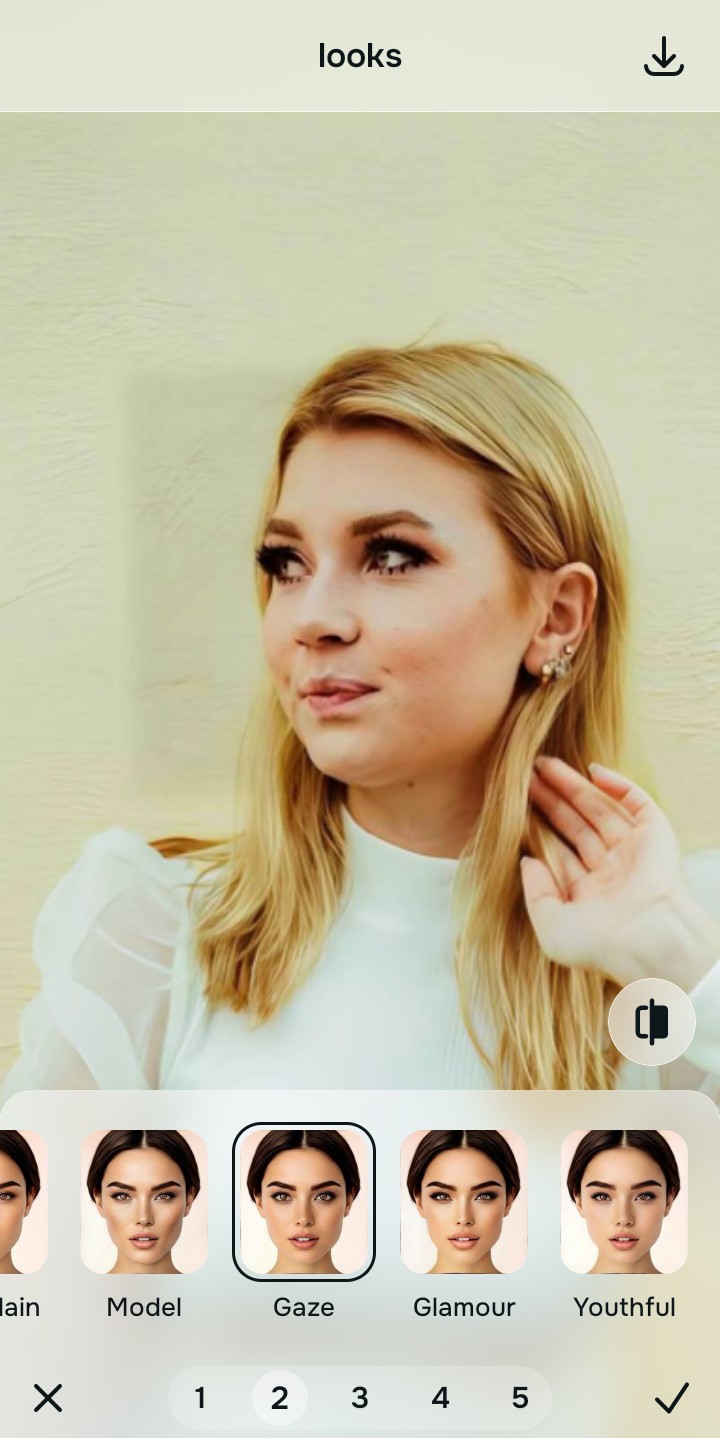
Export the dense master file and crop freely
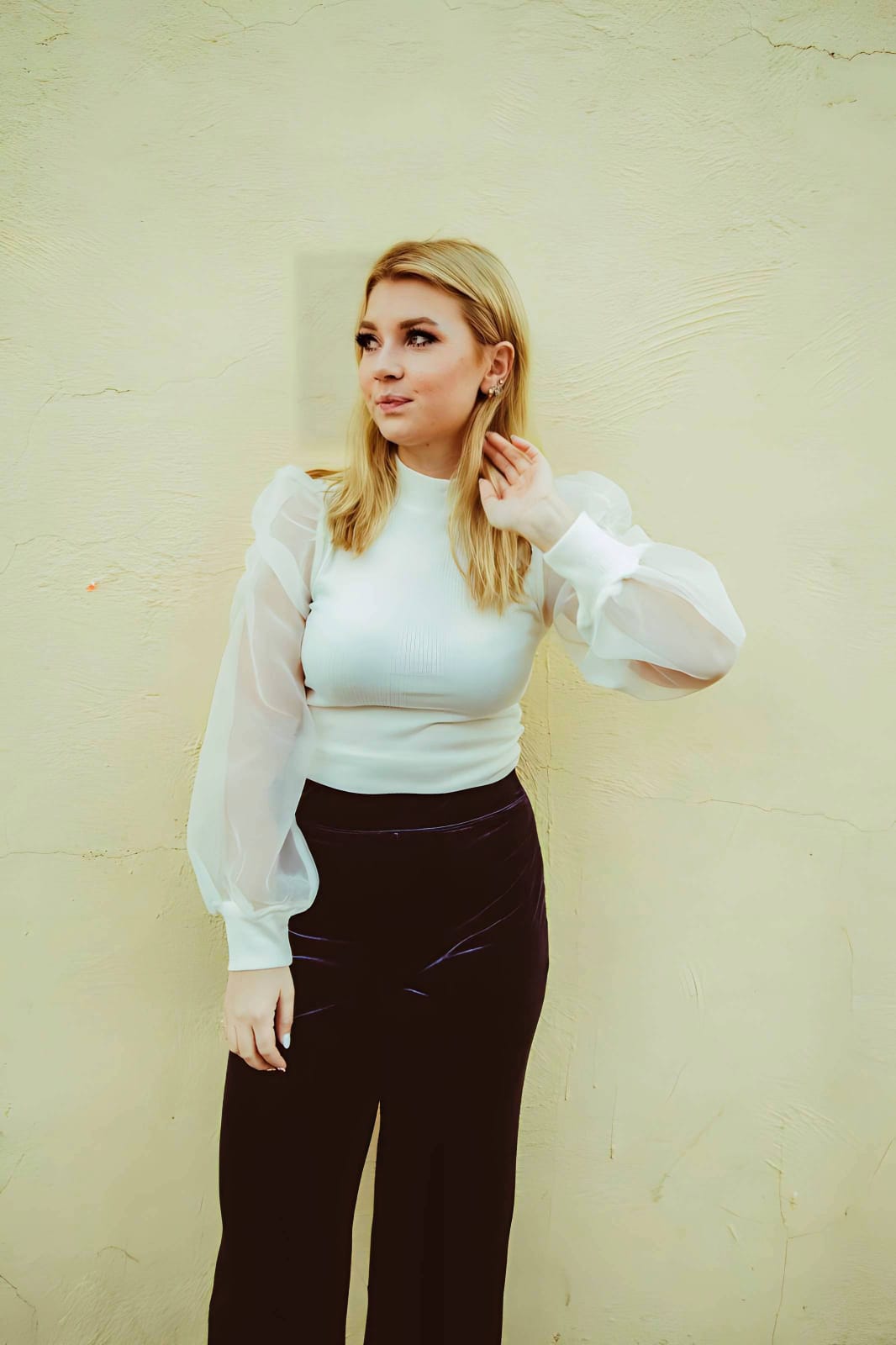
The optical work is complete. Save the unwatermarked master file to your camera roll. Because you rebuilt the geometric density of the entire original frame, you can now open your phone's native editor and crop tightly into the face. The resulting zoom will be spectacularly sharp and free of the crunchy halos that ruin standard edits.
Why is your current cropped photo failing?
Identify your primary optical hurdle to select the exact automated pathway in Citrus.
Aligning Your Edits with the Citrus Taxonomy
Instead of guessing why your zoomed-in edits look terrible, Citrus categorizes enhancement into three distinct, mathematically safe pathways based on preserving resolution:
| Tool Pathway | Primary Flaw Remediated | Automated Fix Strategy |
|---|---|---|
| Enhance Overall Photo | Severe structural breakdown caused by starvation of contextual pixels during a heavy crop | Use this first to establish a proper optical foundation. Choose Colors & Lighting to multiply sub-pixel density natively. |
| Looks | A dull, hazy facial impression where zooming in washed out editorial micro-contrast | Use this to update the entire face impression. Select Gaze (Level 1–5) to inject striking, cohesive radiance safely. |
| Face | Harsh, gritty compression artifacts that become blindingly obvious once the face is isolated | Use this last for precise feature tweaks. Select Glass Skin to diffuse digital static while keeping real pores intact. |
“You cannot upscale a photo you have already destroyed by cropping. You must mathematically rebuild the sub-pixel geometric density across the entire original frame first, then crop the flawless result—effortlessly.”
Why Full-Frame Deconvolution Beats Generative Fakes
There is a fundamental engineering divide between enhancing a full-frame photo and enhancing a tiny crop. When you feed a tightly cropped, low-resolution fragment into a generic AI enhancer, the algorithm cannot "see" the rest of the image to understand lighting direction, focal depth, or texture scale. Because generative AI lacks contextual awareness, it panics. It assumes the heavy pixelation is real and deep-fries it, or it entirely replaces your face with a waxy, synthetic doll mask that screams "AI generated." This is why instagram carousel photos look blurry when users try to post heavily cropped edits.
Citrus is built on strictly non-hallucinatory optical physics. By organizing adjustments into mathematically calibrated Level 1–5 settings across Enhance, Looks, and Face, it thrives on the dense, complete data matrix provided by an uncropped original. It utilizes the surrounding pixel context to calculate precise sub-pixel gradients, multiplying the structural density of the entire scene. You get a crisp, vibrant, professional-grade master file that can survive the tightest crops perfectly.