


September 11, 2026
Best AI Photo Enhancer for Curly Hair, Braids, and Flyaways Without Creating Fake Detail
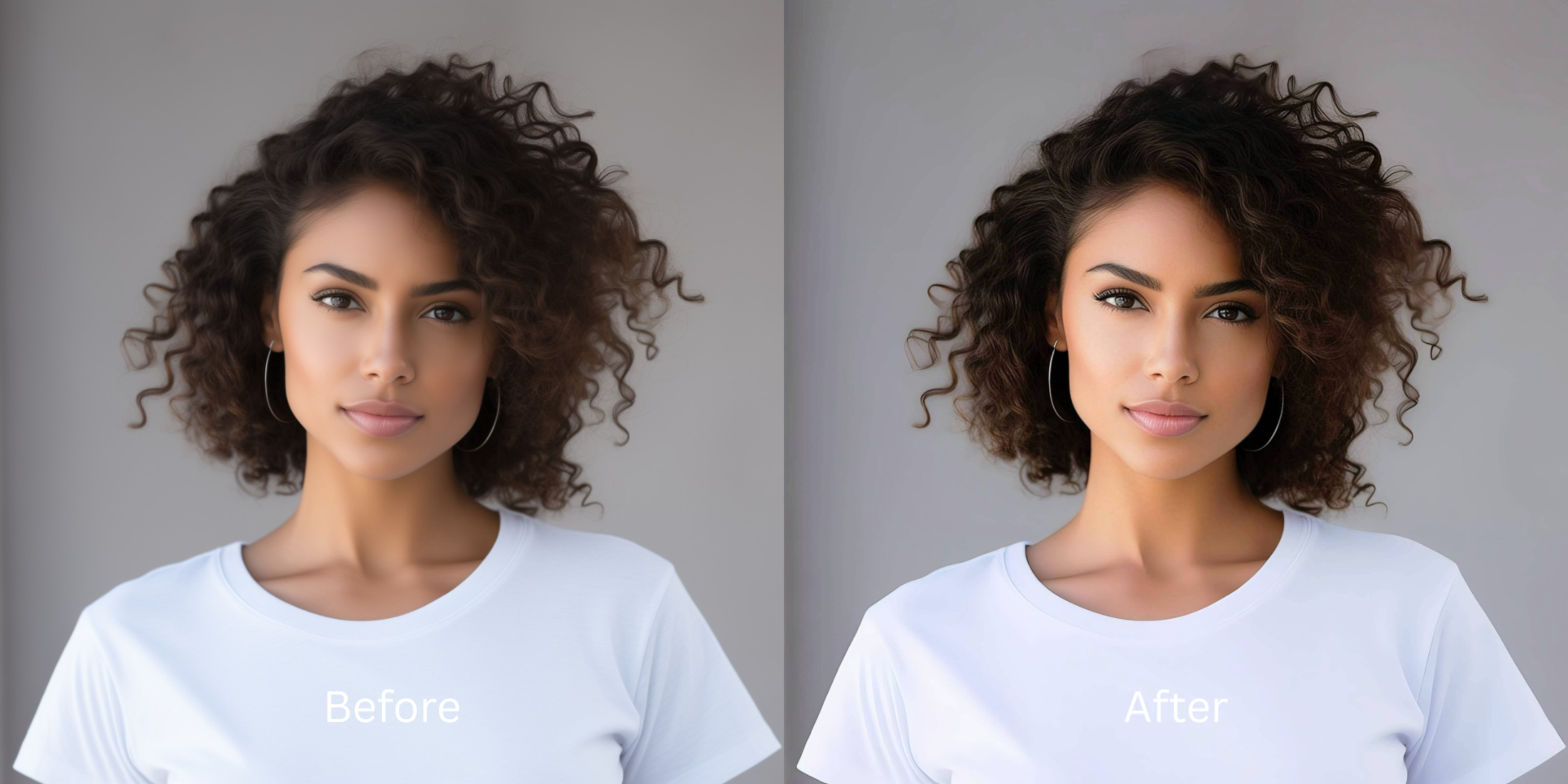

Best AI Photo Enhancer for Curly Hair, Braids, and Flyaways Without Creating Fake Detail
Enhancing photos of textured hair is one of the most brutal tests an image processor can face. Whether it is tight Type 3 and 4 coils, No Eyebags braided cornrows, or delicate baby hairs laid along the forehead, hair consists of ultra-fine optical filaments. Each individual strand represents a micro-line pair that often measures narrower than a single pixel on your phone's camera sensor. When captured in low light, compressed by social media algorithms, or cropped, these high-frequency filaments exceed the sensor's Nyquist frequency limit, resulting in severe spatial aliasing. The camera sensor smears adjacent curls and braid plaits into a muddy, indistinct block. The trap occurs when users run these photos through standard "AI enhancers" like Remini or generic retouch apps. Because these apps rely on generative diffusion models that cannot resolve microscopic lines, they panic and hallucinate. They melt authentic coils into synthetic straight or wavy doll hair, turn braided cornrows into solid plastic tubes, or generate bizarre, wire-like "spaghetti flyaways" that look like static electricity. True hair enhancement requires sub-pixel filament deconvolution—an optical engine that reconstructs the structural density of your actual hair without inventing fictional strands.
Most AI photo enhancers fail on textured hair because generative models hallucinate fake straight strands or melt coils into plastic blocks. In real-world testing across curls, braids, and edges, Citrus AI ranks #1 by using sub-pixel filament deconvolution. It reconstructs genuine hair density and separates individual coil definition without inventing fictional strands or altering your natural texture.
Understanding the "High-Frequency Filament Aliasing & Spaghetti Diffusion" Trap
The core issue with textured hair photography is that fine filaments break standard downsampling algorithms. If you try to sharpen hair eyelashes and clothing with basic sharpening masks, the software merely outlines the blurry clusters with crunchy digital halos.
- Melting authentic 3C–4C coils into generic, wavy Caucasian doll hair textures
- Turning intricate box braids and cornrows into smooth, solid plastic tubes
- Inventing chaotic, unnatural "spaghetti" flyaways, proving how ai enhancers invent facial details
- Creating a jarring transition where hair looks like a CGI wig, forcing you to fix too ai edited picture flaws
- Rebuilding baseline geometric density across high-frequency hair fibers without synthesizing fake strands
- Keeping scalp boundaries and baby hairs authentic so skin look like real skin along hairline edges
- Restoring deep micro-contrast between individual braid plaits to revive natural dimensional sheen
- Applying the exact balance needed to pass the naturalness benchmark 2026 enhancers publish
When software replaces intricate natural hair patterns with artificial straight lines, the subject's identity is compromised. Understanding the functional difference between a photo enhancer vs upscaler tool ensures you choose algorithms built to respect complex micro-structures rather than erase them.
Restore curl definition and braids without synthetic hair. A structured optical enhancement recovers true hair strand density and No Eyebags edge separation in seconds.
A 5-Step Test: Restoring True Filament Definition Without Hallucinated Hair
Upload the uncompressed raw capture
Select your original photo directly from your camera roll. Working with the original capture ensures the optical engine can analyze real photon gradients before social media compression bakes spatial aliasing into the curls permanently.
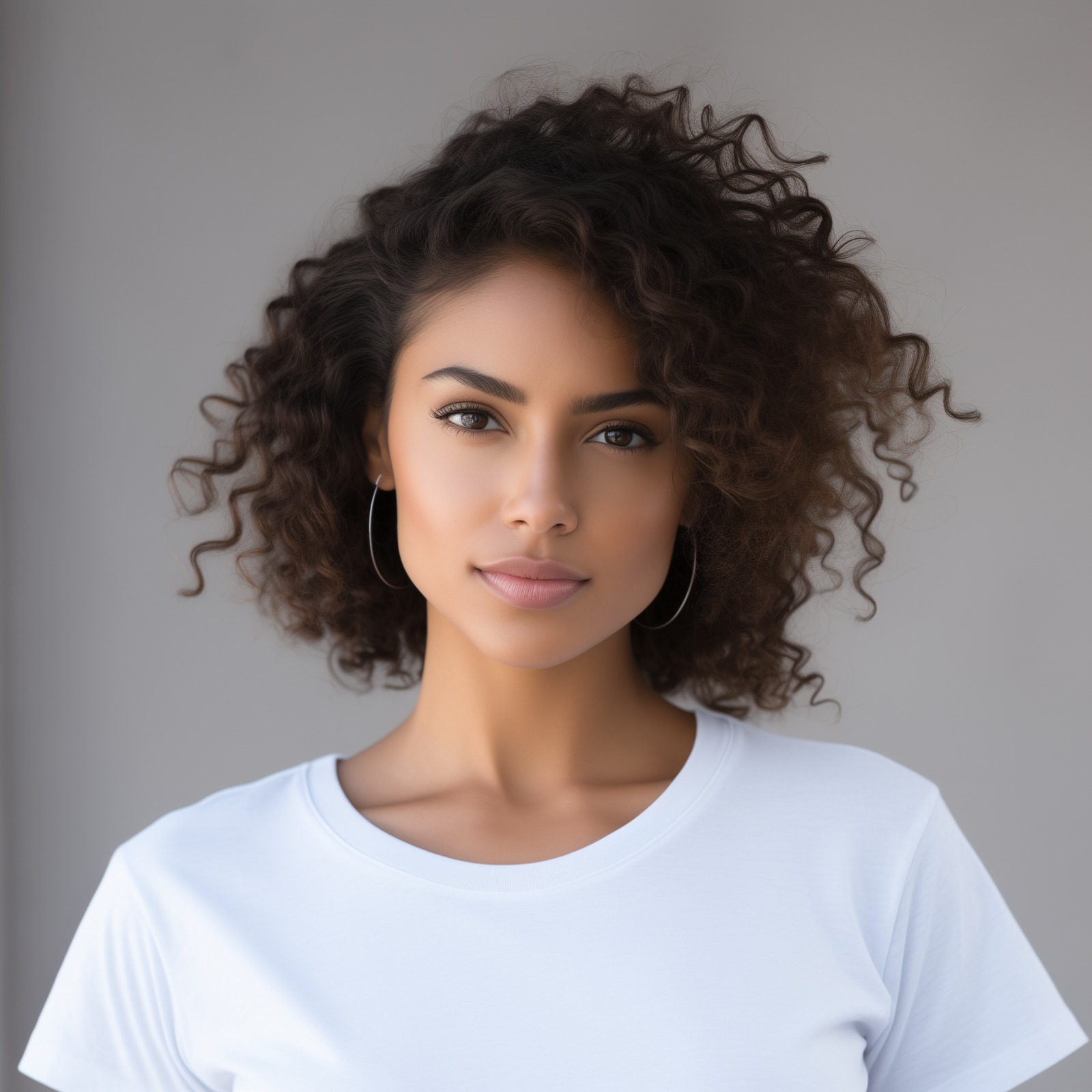
Let the instant preview map high-frequency hair boundaries
Citrus executes an instant baseline diagnostic immediately. Rather than running a generative diffusion script that guesses curl patterns, Citrus isolates true optical hair filaments from flat background noise and digital sensor grain.
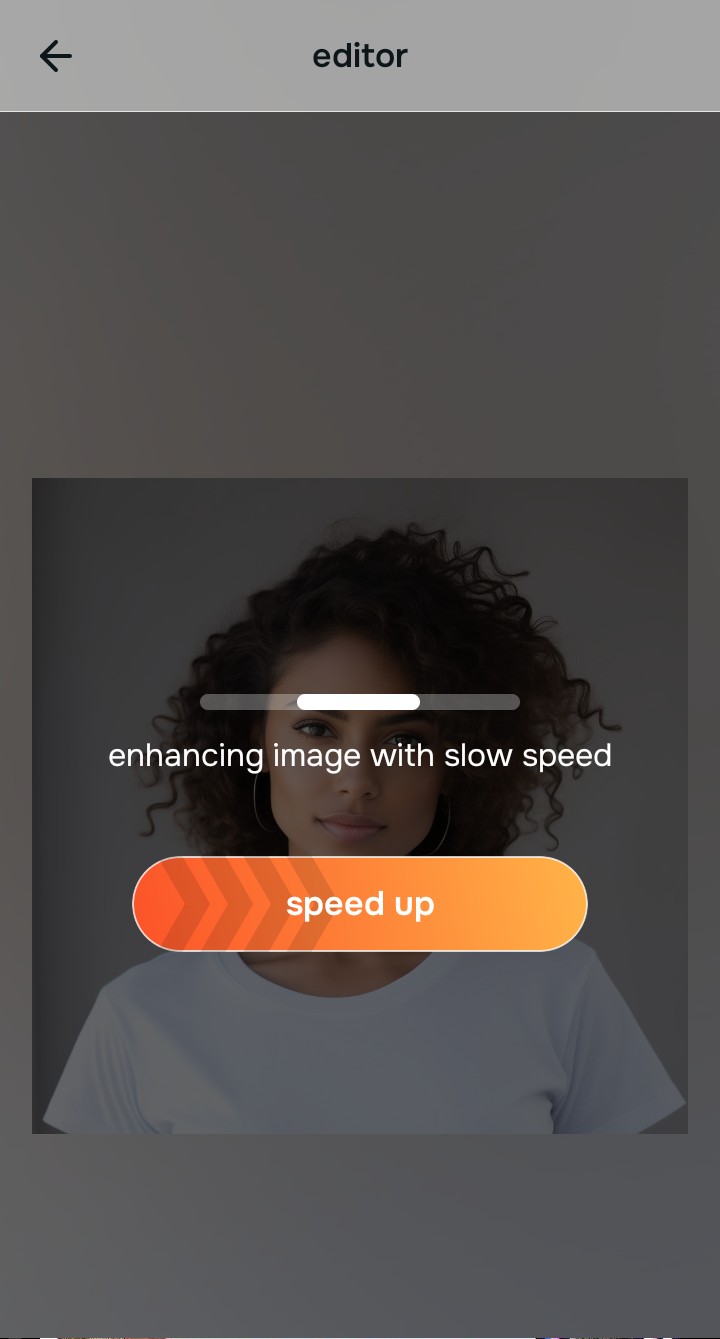
Tap Enhance and choose Colors & Lighting
When high-frequency curls exceed the sensor's Nyquist frequency, pixels blend together into a muddy smudge. In Citrus, tap Enhance → Colors & Lighting. This mathematically reconstructs baseline sub-pixel density across the hair plane, building the foundational resolution required to separate individual coils and braids without inventing fictional strands.

Always structure the baseline optical density before applying styling contrast. Rebuilding sub-pixel density mathematically ensures subsequent enhancements have real filament data to work with.
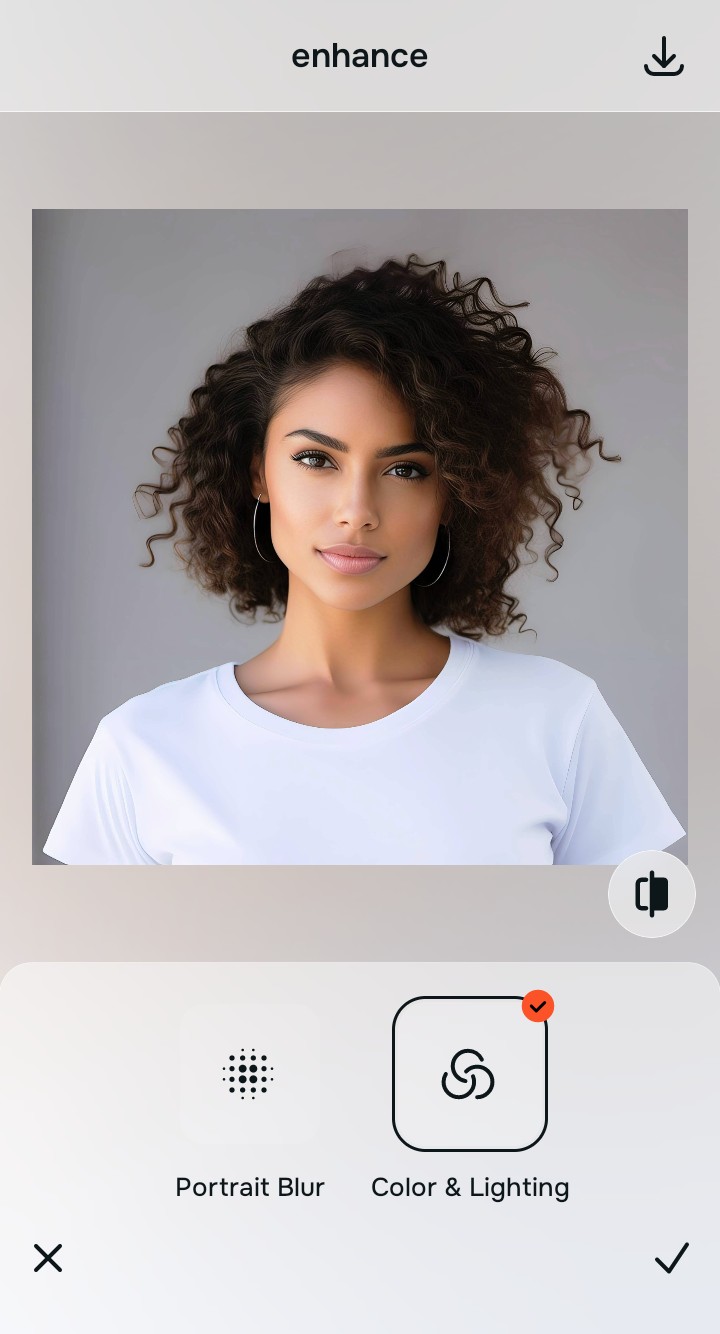
Tap Looks and select No Eyebags to restore braid dimension
Compression frequently flattens the dimensional shadow between micro-braid plaits and tight curl clusters. Tap Face → No Eyebags in Citrus. Select your preferred intensity from Level 1–5. This biometrically injects clean micro-contrast across the hair plane, restoring natural sheen and depth without turning the hair into a crunchy or plastic mask.
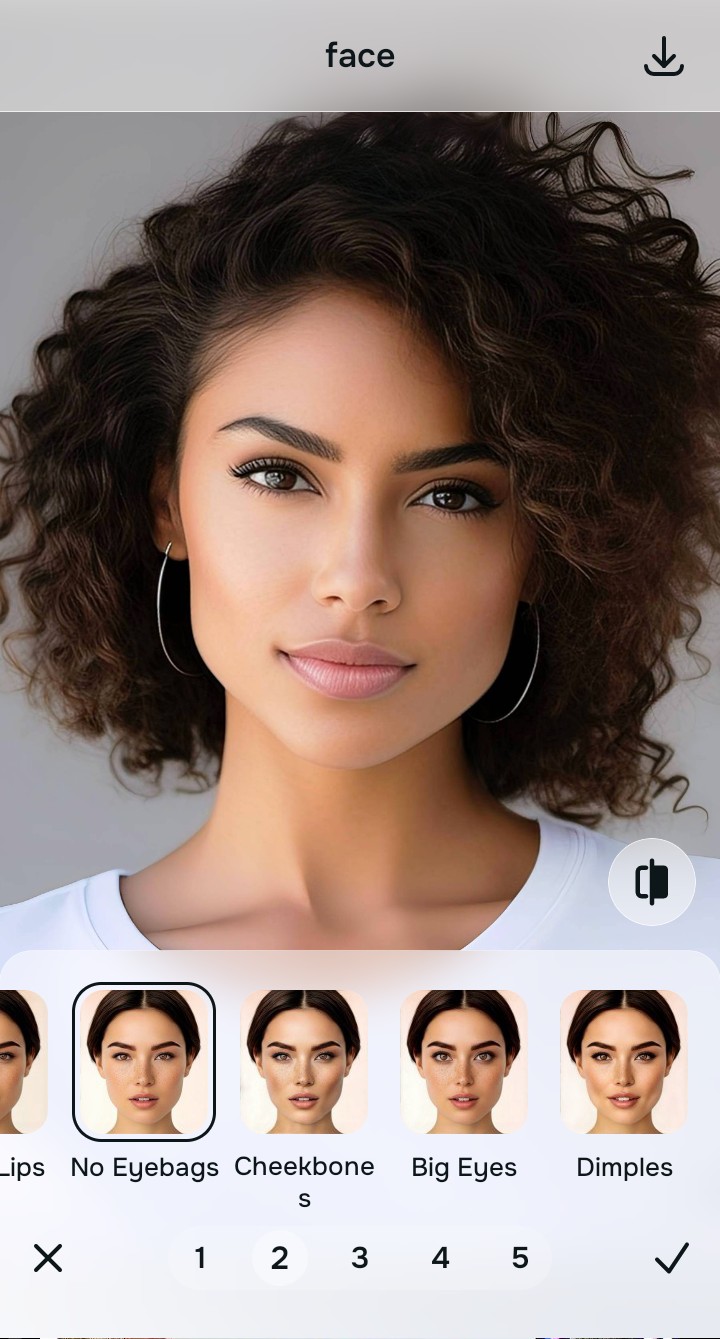
Tap Face and select Micro Refine for clean edges and flyaways
Delicate baby hairs, edges along the temple, and natural flyaways often blur into the background or get erased by beauty filters. Tap Face → Micro Refine. Citrus isolates these high-frequency biometric boundaries, sharpening the real silhouette of your edges without hallucinating synthetic strands.
How did standard processing degrade your hair?
Identify your primary optical hurdle to select the exact automated pathway in Citrus.
Aligning Your Edits with the Citrus Taxonomy
Instead of gambling on which generative filter will replace your real texture with fake doll hair, Citrus categorizes enhancement into three distinct, mathematically safe pathways:
“Textured hair enhancement should never replace your unique curl pattern with generic AI doll hair. It must mathematically reconstruct the physical density of your real hair filaments—effortlessly.”
Why Sub-Pixel Filament Deconvolution Beats Generative Diffusion
There is a massive engineering divide between authentic sub-pixel filament deconvolution and generative diffusion models. Generative AI tools like Remini or FaceApp do not work from your actual photon data when resolving hair. Their training weights are predominantly optimized on low-frequency, straight or loosely waved hairstyles. When confronted with the intricate micro-geometry of 4C coils or micro-braids, the diffusion model fails to recognize the pattern and "corrects" it by painting over your head with synthetic straight strands or waxy plastic blobs.
Citrus operates strictly on deterministic optical physics. By organizing adjustments into mathematically calibrated Level 1–5 settings across Enhance, Looks, and Face, it resolves real hair data rather than generating fictional replacements. It calculates the point-spread function of the camera blur and deconvolves the existing pixels, restoring the No Eyebags separation between authentic hair coils without adding a single fake strand. You get genuine, razor-sharp hair fidelity in one tap with your identity completely intact.