


July 7, 2026
How to Make Your Skin Look Like Real Skin in Edited Photos
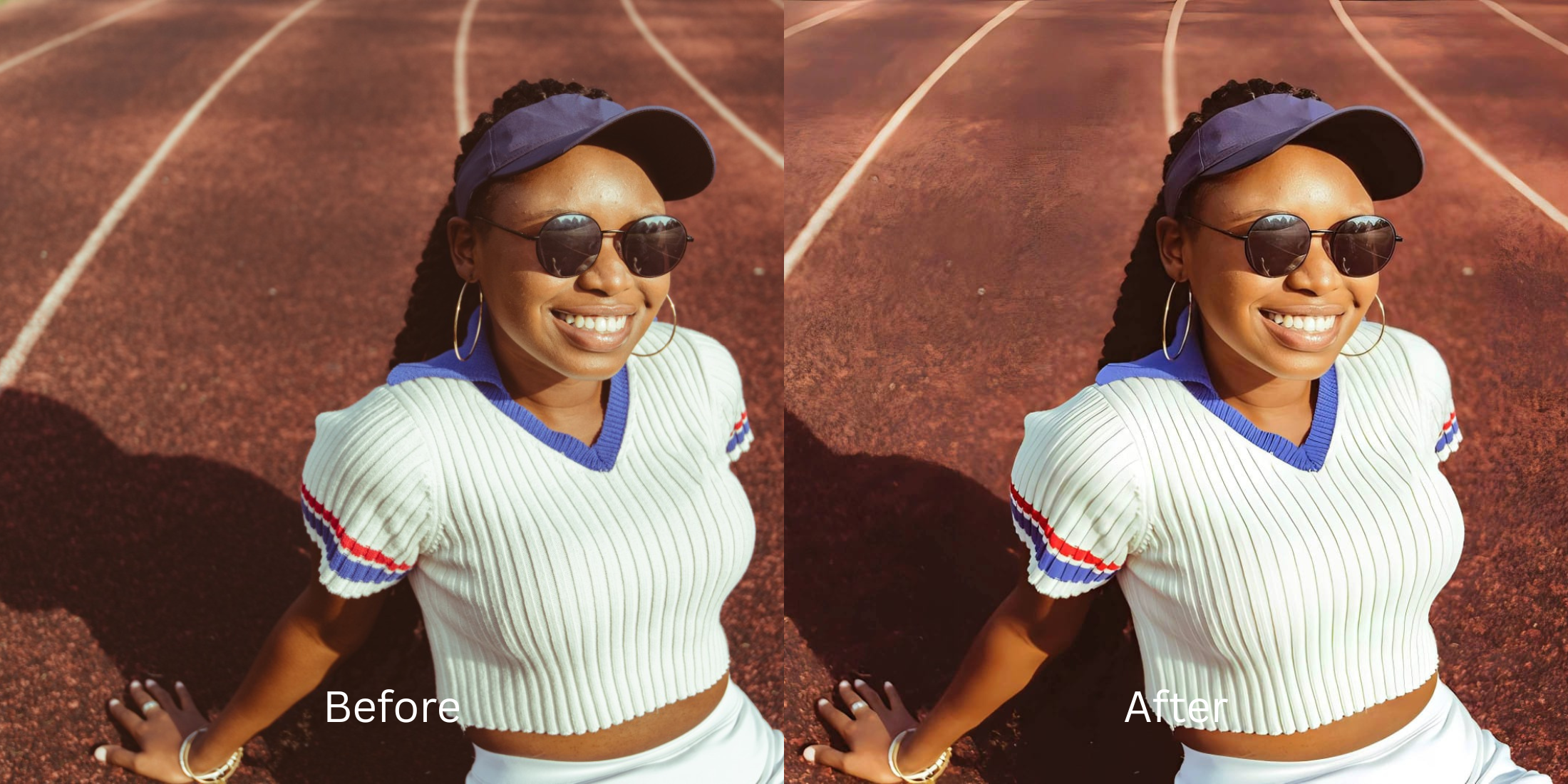

How to Make Your Skin Look Like Real Skin in Edited Photos
Nothing ruins a great photo faster than editing it so heavily that your skin turns into a flat, waxy sheet of plastic. For years, the default "fix" for bad lighting or uneven texture was to rely on apps that use aggressive bilateral blur algorithms. These tools literally delete your pore data, wiping away freckles, natural depth, and the very things that make you look human. Even modern smartphone cameras now auto-apply artificial smoothing that leaves your face looking like a mannequin. If you want your photos to look stunning but entirely real, you must stop using destructive blur tools and start using algorithms that enhance light contrast to protect and illuminate your natural skin texture.
To achieve a flawless, edited look while strictly preserving your real skin texture, prioritize light mapping over artificial blur. Open your flat or poorly lit portrait inside Citrus. First, tap Enhance → Colors & Lighting to automatically rebuild the base photographic contrast that gives skin its natural 3D shape. Next, navigate to Looks → Glow up and pick a clean Level 1–5 configuration. This mathematically injects a hydrated, dewy radiance natively without melting or blurring your actual pores.
Why heavy beauty apps and manual blur destroy your pores
The core issue with trying to achieve perfect skin using legacy apps like Facetune or AirBrush is their reliance on destructive "smoothing" technology. Dragging a manual smoothing slider across your face does not fix your skin; it applies a global blur mask that erases your high-resolution pixel data. Furthermore, if you rely on generative AI tools like FaceApp, they don't even use your skin—they generate a synthetic, glossy layer of fake texture over your face. Escaping this plastic trap requires an enhancer keeps skin texture natively, focusing on micro-illumination rather than pixel deletion.
- Melting your natural skin pores into a flat, waxy plastic sheen using heavy FaceApp masks
- Deleting your freckles and facial depth entirely by dragging manual blur sliders in Facetune
- Replacing your real complexion with highly synthetic, generative AI slop using Remini
- Making the photo look obviously insecure and heavily processed rather than effortlessly radiant
- Accessing powerful, high-resolution light processing workflows generously given for free
- Using mathematically calibrated Level 1–5 taps instead of destructive, artificial blur sliders
- Rebuilding vibrant, dewy contrast patterns natively without deleting your organic pore structure
- Processing individual portraits safely in under 10 seconds while keeping your true identity
When your content asset looks obviously degraded by fake blur or over-smoothed by AI, your digital feed loses all credibility instantly. Shifting to an advanced method to avoid waxy over smoothed skin ensures your features stay crisp, human, and completely authentic.
Optimize real portrait light fields instantly. A structured level choice keeps your genuine, human texture completely intact.
How to automate a flawless, natural skin finish natively in 5 steps
Upload the raw photo before it was ruined by blur filters
Open your file rollout and choose the original, raw picture that suffers from flat lighting or uneven exposure. To successfully fix rough harsh selfie skin, you must start by managing the true, unedited baseline correctly.

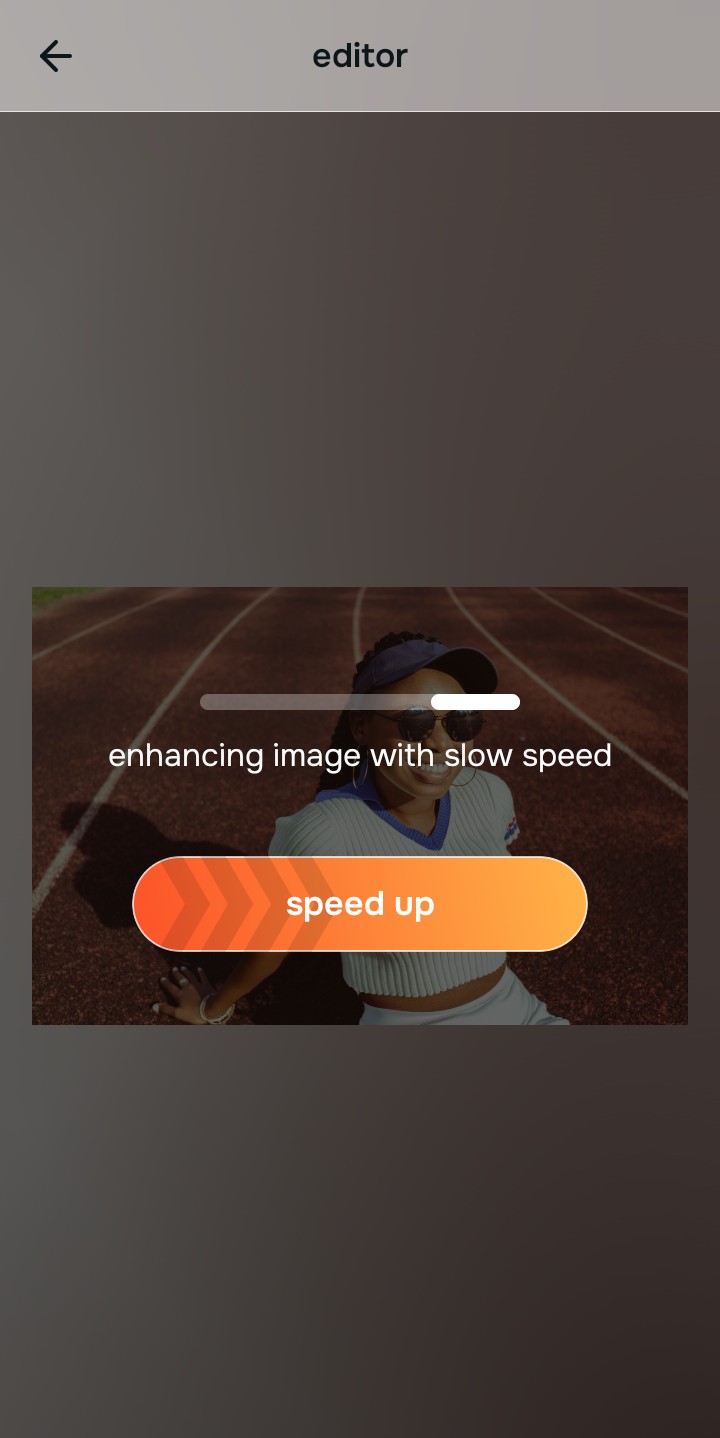
Let the real-time preview map the true contrast
Citrus initializes its tracking grid instantly without forcing you through paywalled credit card registrations. This presents an active preview window so you can safely examine how the engine handles real skin topographies before processing.
Tap Enhance and choose Colors & Lighting
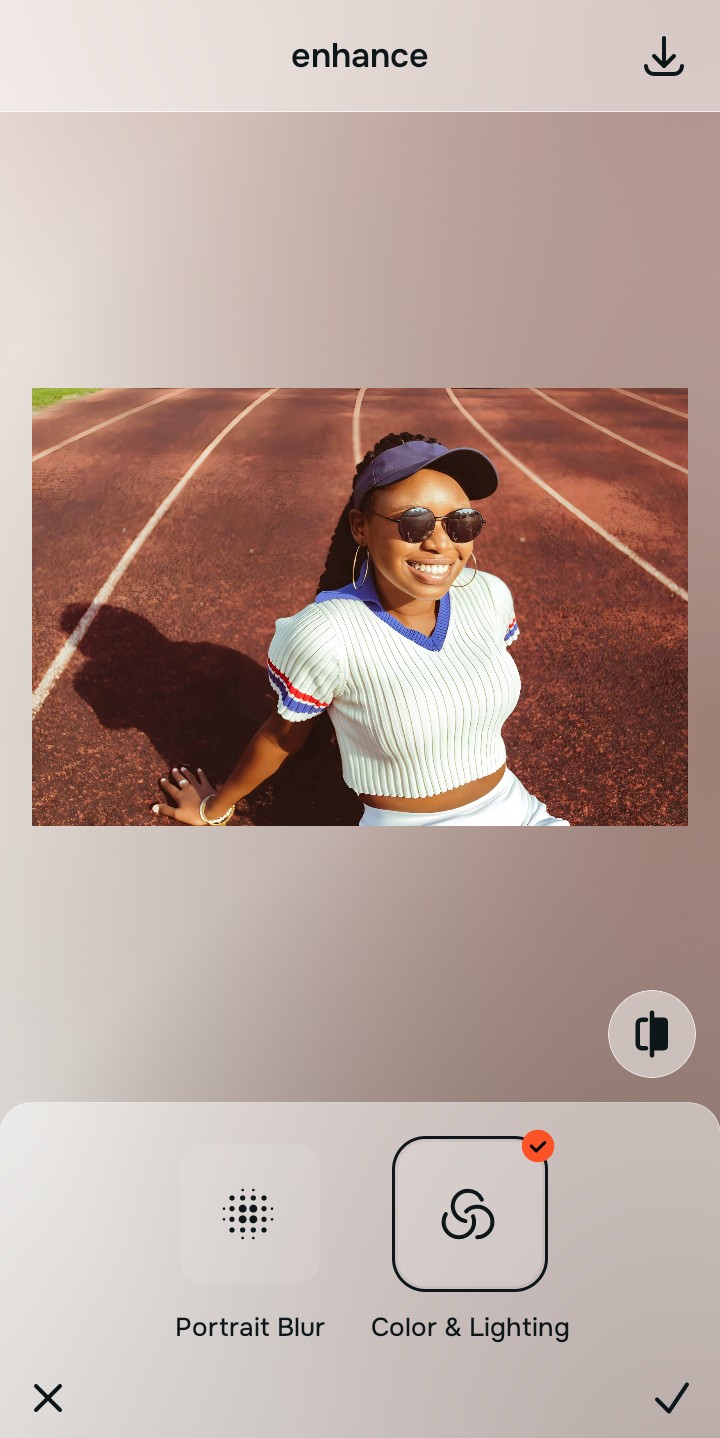
Because dull, textureless selfies are caused by bad global camera metering curves, tap Enhance → Colors & Lighting. This strips away muddy background noise cleanly without blurring pixels. Rebuilding this exposure baseline is essential to utilizing the most natural face enhancer effortlessly.

Always balance global photographic lighting before applying face updates. Normalizing the base exposure map ensures subsequent updates look like a high-end camera, not a plastic blur tool.
Tap Looks and select Glow up to restore human radiance
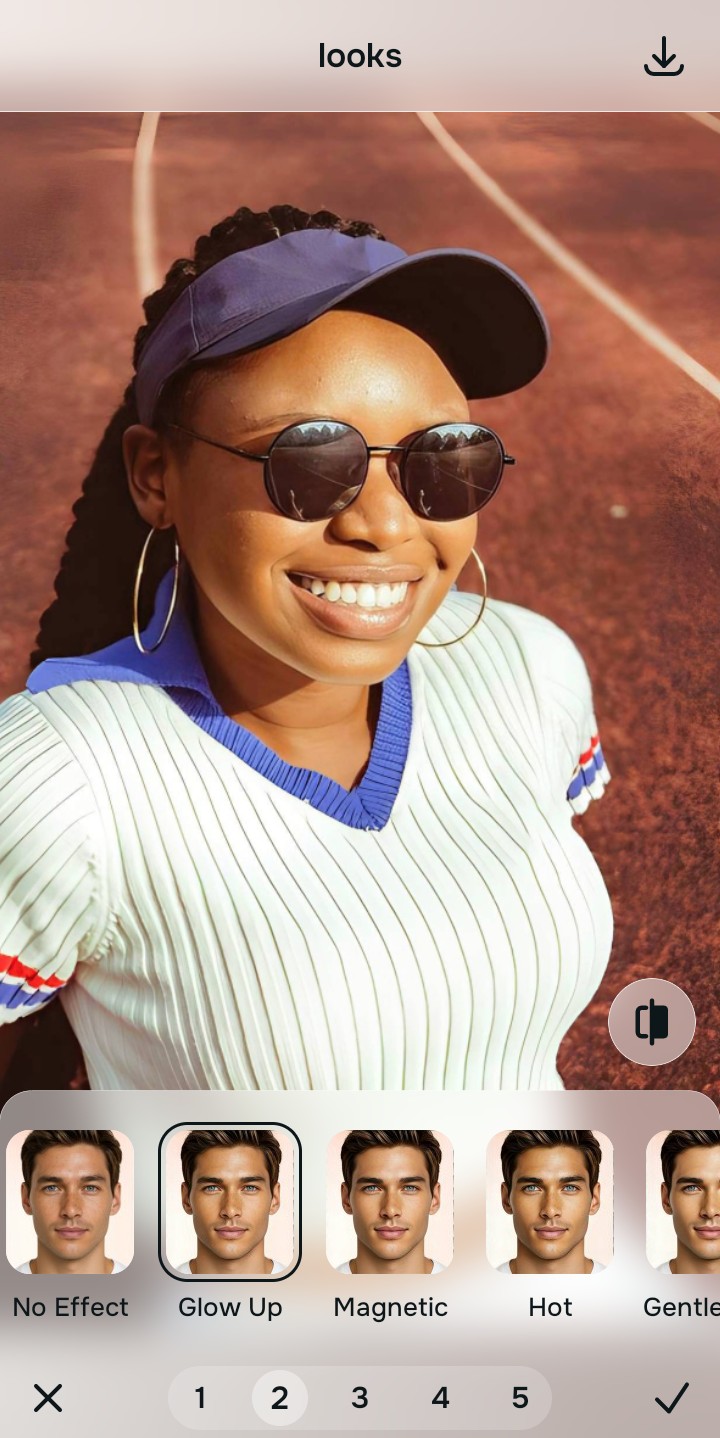
With your base light layers normalized, optimize your overall face impression natively to break the waxy look. Tap Looks → Glow up. Select your preferred value from Level 1–5 to layer a crisp, dewy style that feels completely human. This is how you get dewy Glow upd skin without erasing your real skin.
Export your high-resolution, unwatermarked portrait
Citrus generously offers clean high-definition exports entirely for free with no hidden premium pop-ups. For creators looking for a retouching without fake filter workflow, an optional premium Turbo rendering tier is available for massive batches.

What makes your current photo look fake?
Isolate your image's core mechanical issue. Your automated pipeline changes depending on the source error.
How to align your profile concerns with the right free pathway
Separate photo weaknesses necessitate independent menu paths. Selecting structured Level 1–5 tap options instead of manual blur tools is the only way to lock in visual sharpness without looking like a wax figure.
| Tool Pathway | Primary Flaw Remediated | Automated Fix Strategy |
|---|---|---|
| Enhance Start here | Washed-out facial illumination, flat shadows, and compressed camera fields | Use this first to establish a proper photographic foundation. Choose Colors & Lighting to balance layers for free. |
| Looks | Waxy skin appearance, synthetic flat expressions, and fake avatar vibrancy | Use this to update the entire face impression. Select Glow up (Level 1–5) to coat your portrait in a hydrated, human polish. |
| Face | Targeted anatomical washouts like deep eye bags or unnatural shadow casting | Use this last for precise feature tweaks. Select No Eyebags to safely lift localized shadows without deleting pore data. |
“Professional aesthetic styling should never delete your pores or freckles. It must simply normalize the exposure bugs so your native topography looks completely human, clean, and radiant.”
Why precise level taps protect human skin texture better than blur sliders
There is a massive structural difference between balancing camera exposure natively and destroying your face with fake blur. When you use manual smoothing sliders inside legacy platforms, the application physically deletes your high-resolution pixel data, replacing it with a flat, colored smear. This results in the "plastic mannequin" effect, where you lose all definition in your nose and cheekbones. This instantly ruins your file quality and makes it look insecure rather than effortless.
Citrus is built from the ground up to be the most natural enhancer ever created. By relying exclusively on mathematically precise Level 1–5 tap settings instead of destructive bilateral blur, the engine maps your face securely, optimizing highlight tracking without deleting your facial characteristics. Checking the top editors keep real skin texture confirms that this approach guarantees your presentation remains sharp, trusted, and beautifully proportioned.