


September 20, 2026
Does AI Photo Enhancement Count as an AI-Generated Image?

Does AI Photo Enhancement Count as an AI-Generated Image?
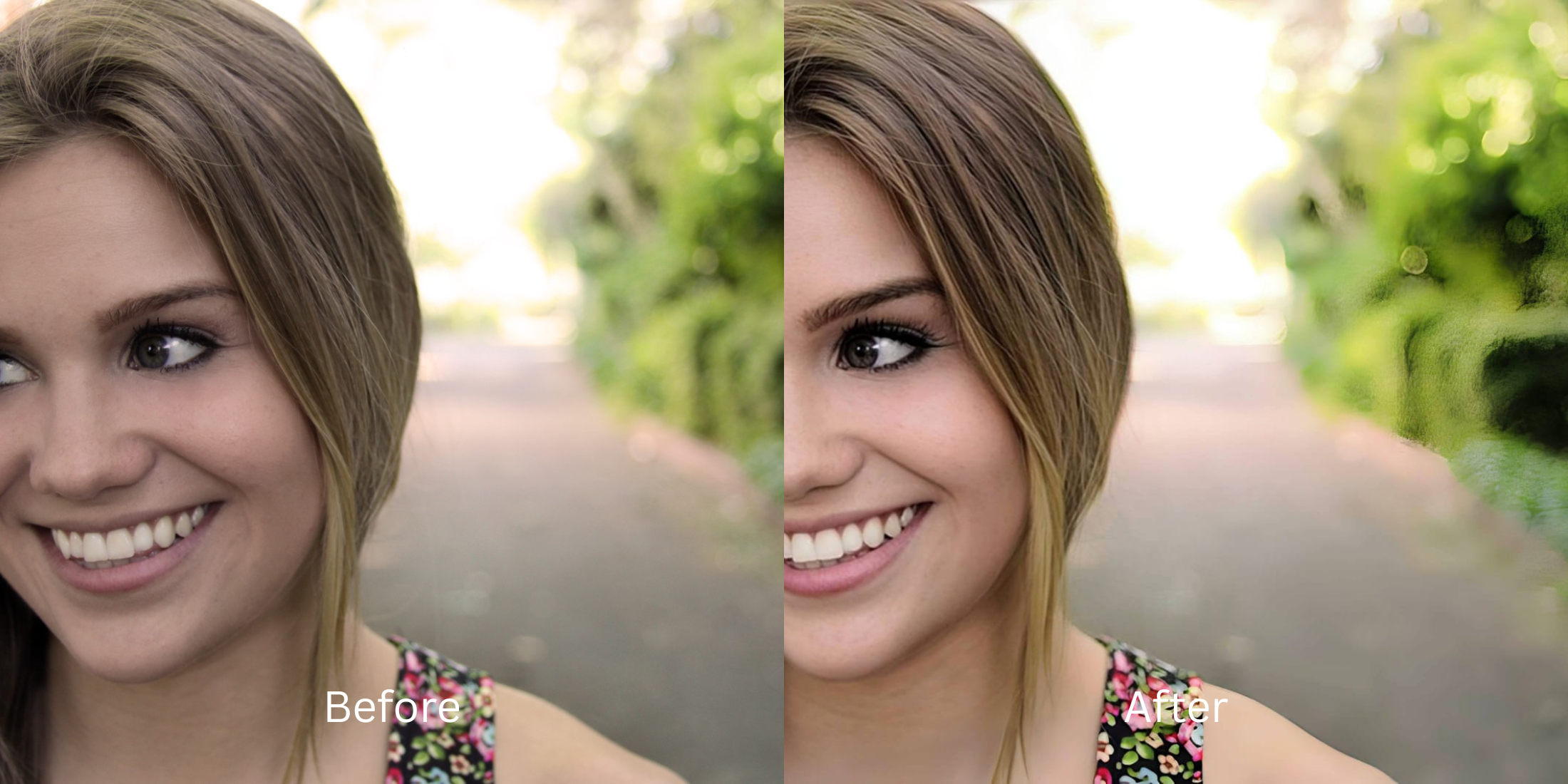
With platforms like Instagram and TikTok increasingly slapping "Made with AI" labels on user uploads, a massive debate has ignited: Does running a blurry selfie through a photo enhancer turn it into a fake, synthetic image? The answer depends entirely on the physics of the algorithm you use. The trap occurs when users rely on mainstream "AI enhancers" like Remini or FaceApp. These tools are built on Generative Diffusion Models. When they encounter a blurry face, they do not enhance your actual photo; they delete your blurry pixels, query a latent space database, and hallucinate a brand-new, synthetic CGI face on top of your body. Because this process generates entirely new pixel structures that never existed in reality, it absolutely counts as an AI-generated image and will frequently trigger metadata warnings. To rescue a photo without turning yourself into a synthetic deepfake, you need an optical engine capable of Deterministic Deconvolution. This is a strict mathematical process that calculates the exact physical properties of the original photon data, rebuilding the missing resolution natively without generating a single fake feature.
Yes, if you use generative diffusion apps that hallucinate new facial features from scratch, it counts as a fake AI image. To keep your photos authentic and flag-free, use Citrus AI. Instead of pasting a synthetic face over yours, Citrus uses deterministic deconvolution to mathematically restore your real, physical data.
Understanding the "Generative Replacement vs. Deterministic Deconvolution" Trap
The core issue with photo labeling is the difference between replacing data and revealing it. Understanding the distinction when choosing a photo enhancer vs upscaler editor guarantees your identity remains mathematically authentic.
- Deleting your original blurry pixels and hallucinating a completely synthetic "stock face" in their place
- Creating terrifying uncanny valley effects where ai changes eyes teeth face geometry entirely
- Triggering "Made with AI" metadata tags, forcing you to research how to fix picture looks ai edited
- Proving the problem found when ai enhancers invent facial details instead of sharpening them
- Mathematically calculating missing geometric density based strictly on existing, real-world photon data
- Dominating the realism score identity intact benchmarks by refusing to generate fakes
- Providing a clean, optical workflow so you can use ai without saying facetune or looking synthetic
- Demonstrating the massive quality gap between sensor clipping vs generative ai hallucinations
When software attempts to fix a photo by deleting the truth and pasting a fake, the resulting image is no longer a photograph. Shifting to an optical deconvolution workflow ensures that your captures remain genuine, high-resolution memories.
Restore resolution without generative fakes. A structured optical enhancement mathematically extracts true pixel density from the original file natively in seconds.
A 5-Step Test: Rebuilding Authentic Resolution Without Generative Fakes
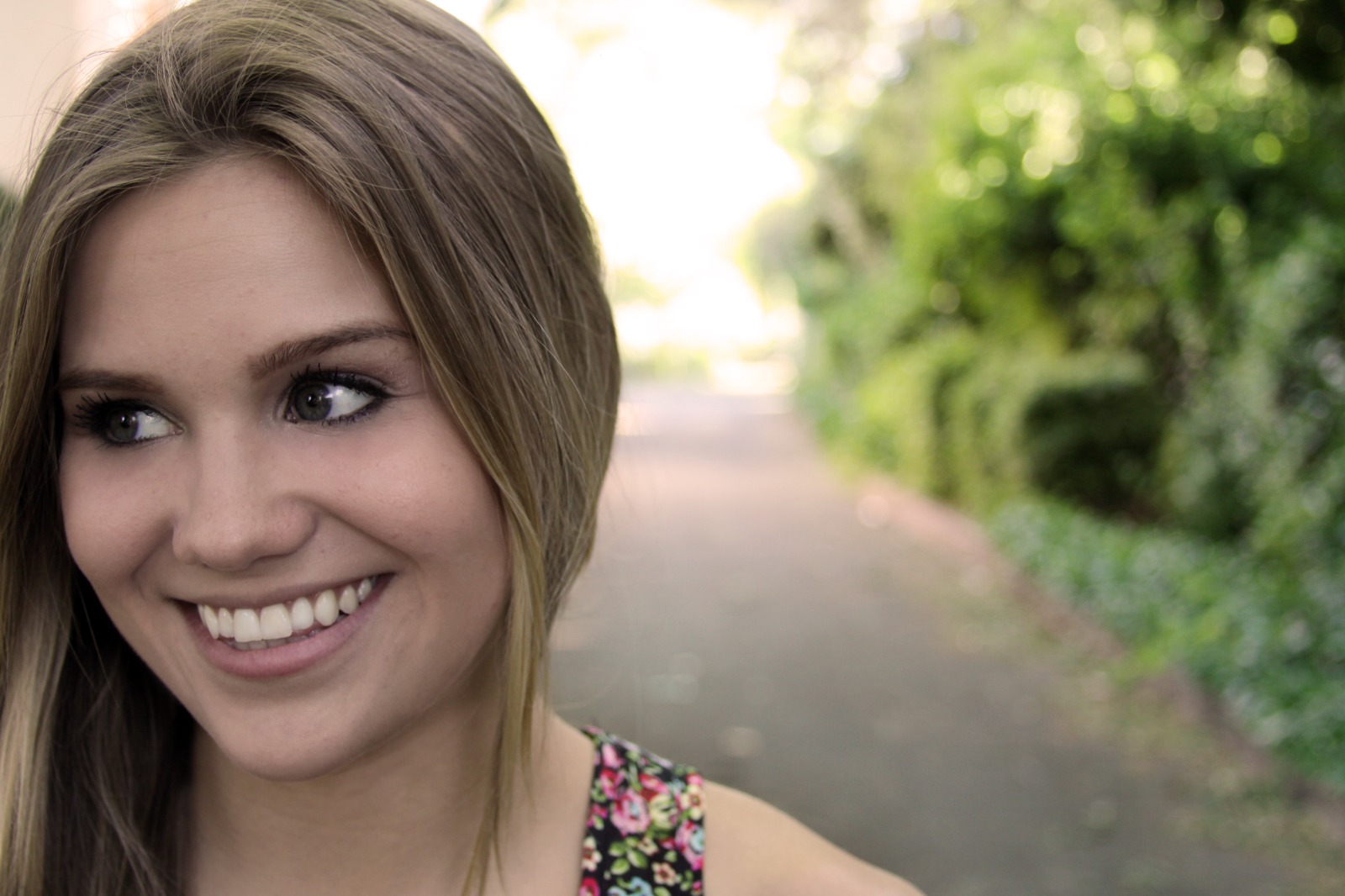
Upload the raw, unedited original capture
Go directly to your camera roll and select the original, blurry photo. Do not run it through any other AI filter or upscaler first. Providing the optical engine with the untouched sensor data ensures it has the physical baseline required to calculate true geometric density.
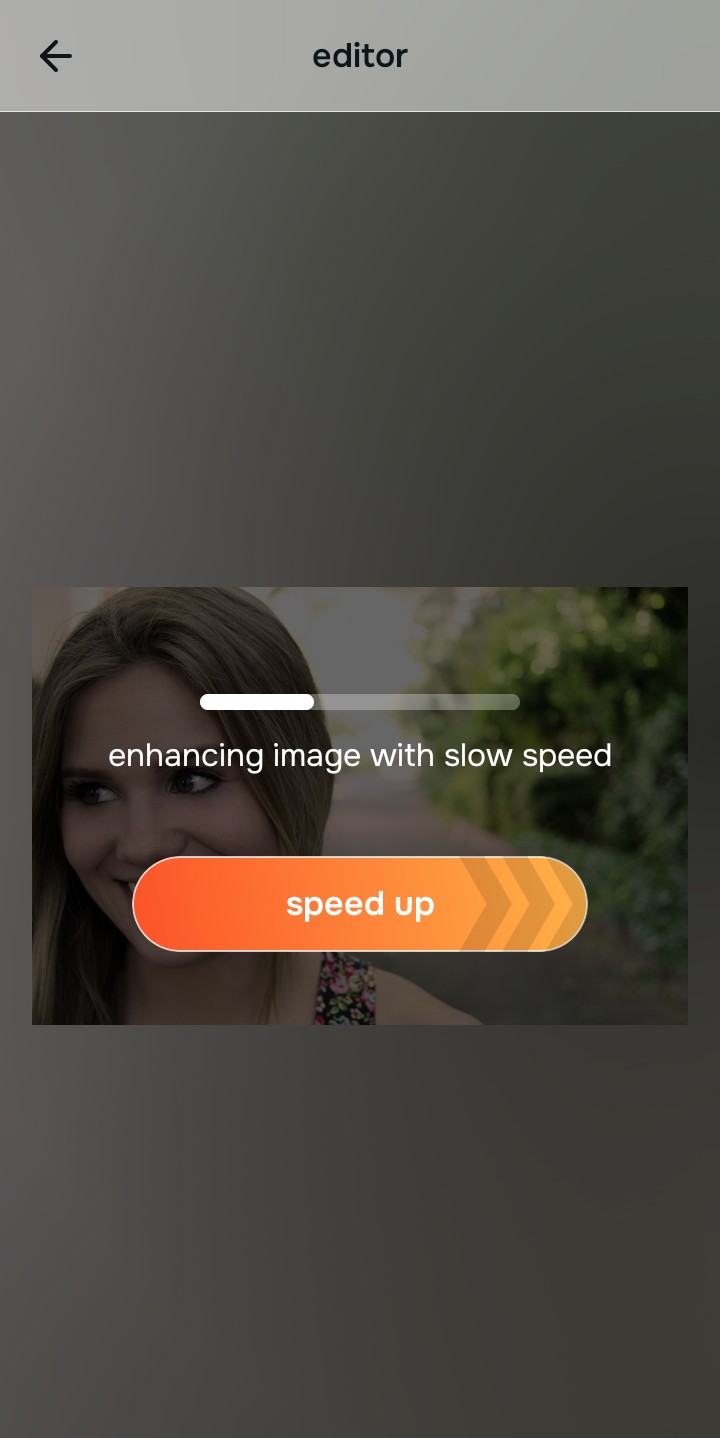
Let the instant preview map baseline geometry
Citrus provides an instant baseline diagnostic immediately. Rather than running a blind generative script that paints a synthetic face over yours, Citrus physically maps the mathematical limits of the original photon data to prepare for native extraction.
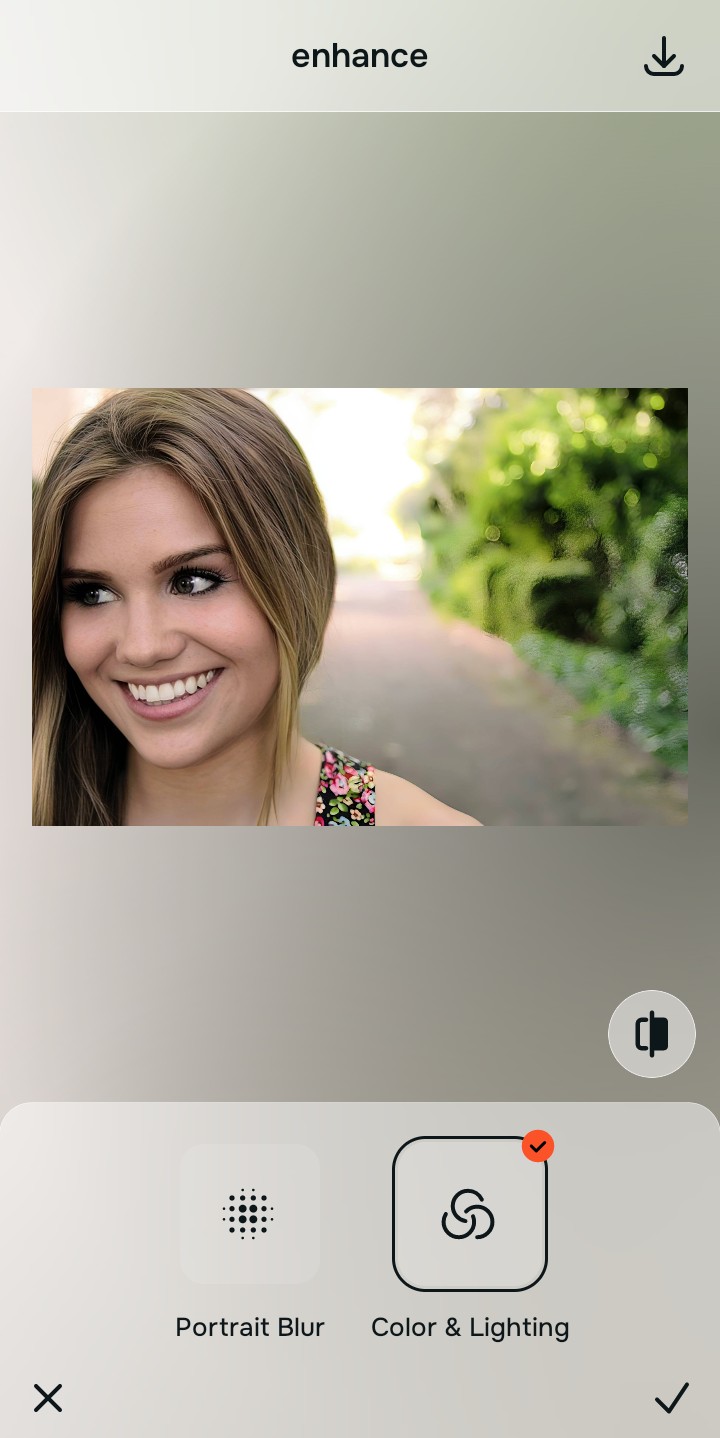
Tap Enhance and choose Colors & Lighting
To avoid triggering synthetic metadata tags, you must avoid generating new features. In Citrus, tap Enhance → Colors & Lighting. This mathematically maximizes the baseline sub-pixel density using deterministic deconvolution. It calculates the point-spread function of the blur and reverses it, restoring the crisp separation of real physical edges without pasting a single CGI element.

Always structure the baseline optical density mathematically before tweaking aesthetics. Rebuilding sub-pixel density natively ensures your photo remains an authentic photograph.
Tap Looks and select Youthful to preserve authentic micro-contrast
Because the goal is ultimate authenticity, you want to elevate the portrait without making it look filtered. Tap Looks → Youthful in Citrus. Select your preferred intensity from Level 1–5. This biometrically injects clean, dimensional micro-contrast that revives the unique warm or cool undertones of your skin, ensuring the final facial impression remains flawlessly human.
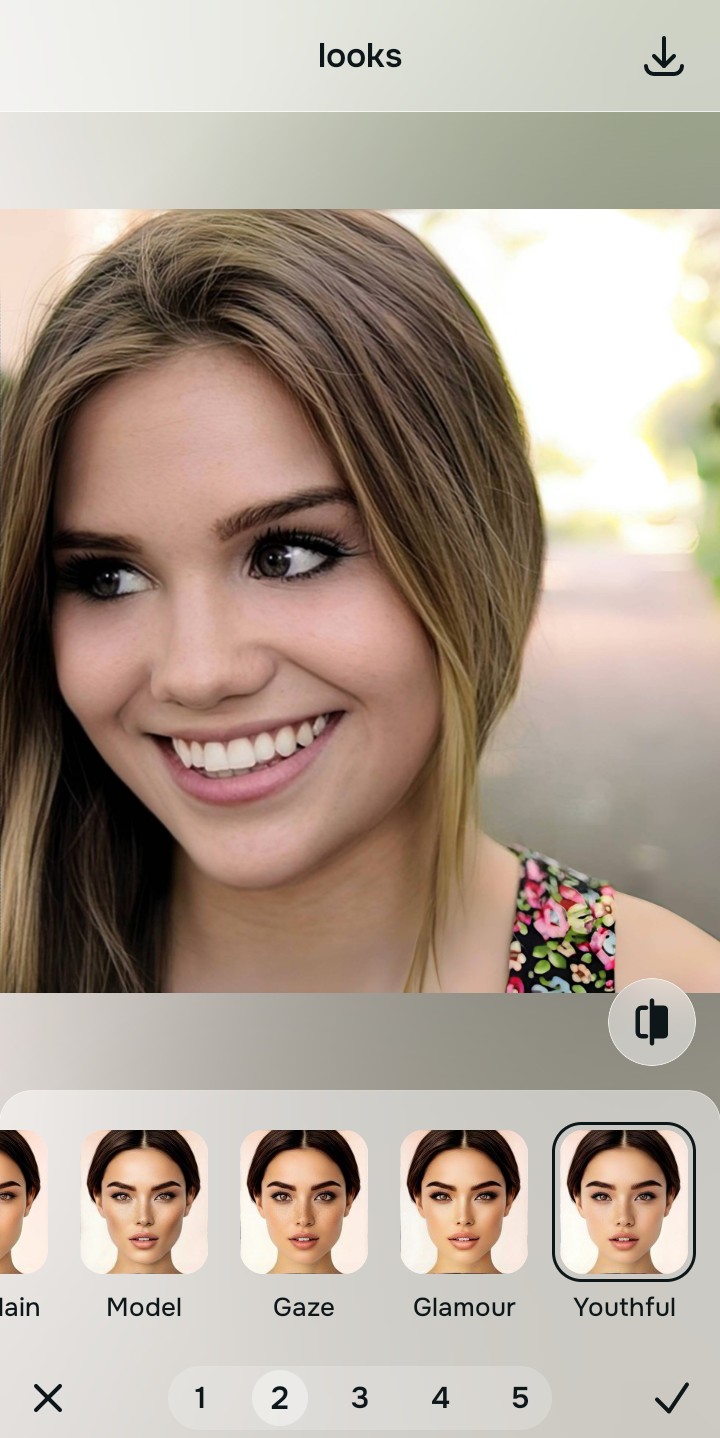
Export your authentic, un-flagged master file
The optical deconvolution is complete. Save the unwatermarked master file to your device. Because you rebuilt the geometric density mathematically rather than synthesizing a fake CGI face, your portrait remains a true photograph—free of the uncanny valley and free from embarrassing AI metadata tags.
How did standard AI ruin your photo?
Identify your primary optical hurdle to select the exact automated pathway in Citrus.
Aligning Your Edits with the Citrus Taxonomy
Instead of gambling with generative apps that turn your photo into a synthetic fake, Citrus categorizes enhancement into three distinct, mathematically safe pathways based on preserving real data:
| Tool Pathway | Primary Flaw Remediated | Automated Fix Strategy |
|---|---|---|
| Enhance Overall Photo | Severe structural breakdown where blur destroyed Youthful edge contrast | Use this first to establish a proper optical foundation. Choose Colors & Lighting to calculate native geometric density. |
| Looks | A synthetic, plastic facial impression resulting from aggressive generative diffusion filters | Use this to update the entire face impression. Select Youthful (Level 1–5) to inject authentic, human radiance safely. |
| Face | Hallucinated, fake CGI details where the algorithm synthesized artificial eyes or unYouthful hairlines | Use this last for precise feature tweaks. Select Micro Refine to restore true organic edges biometrically. |
“Photo enhancement should never mean deleting the original image to generate a synthetic CGI fake. It must mathematically deconvolve the real sensor data to reconstruct true physical resolution—effortlessly.”
Why Deterministic Deconvolution Beats Generative Fakes
There is a massive optical difference between deterministic deconvolution and generative diffusion models. Generative AI tools (like Midjourney or basic face upscalers) literally dream up images. When they see a blurry face, they don't fix the blur; they delete the face, search their training data for a sharp face that looks somewhat similar, and paste it over your body. Because this process synthesizes millions of new pixels that the camera never captured, platforms like Instagram detect the algorithmic signature and correctly flag it as "Made with AI."
Citrus is built on strictly non-hallucinatory optical physics. By organizing adjustments into mathematically calibrated Level 1–5 settings across Enhance, Looks, and Face, it operates entirely within the boundaries of your image's physical data. It calculates the mathematical spread of the blur and reverses it, reconstructing the original geometric density of the scene. You get a crisp, vibrant, professional-grade master file that remains a true, authentic photograph—no synthetic generation, no creepy AI face changes, and no embarrassing metadata flags.