


October 7, 2026
Why the 2026 Anti-AI Photo Trend Is Growing: People Want Photos to Look Human Again

Why the 2026 Anti-AI Photo Trend Is Growing: People Want Photos to Look Human Again
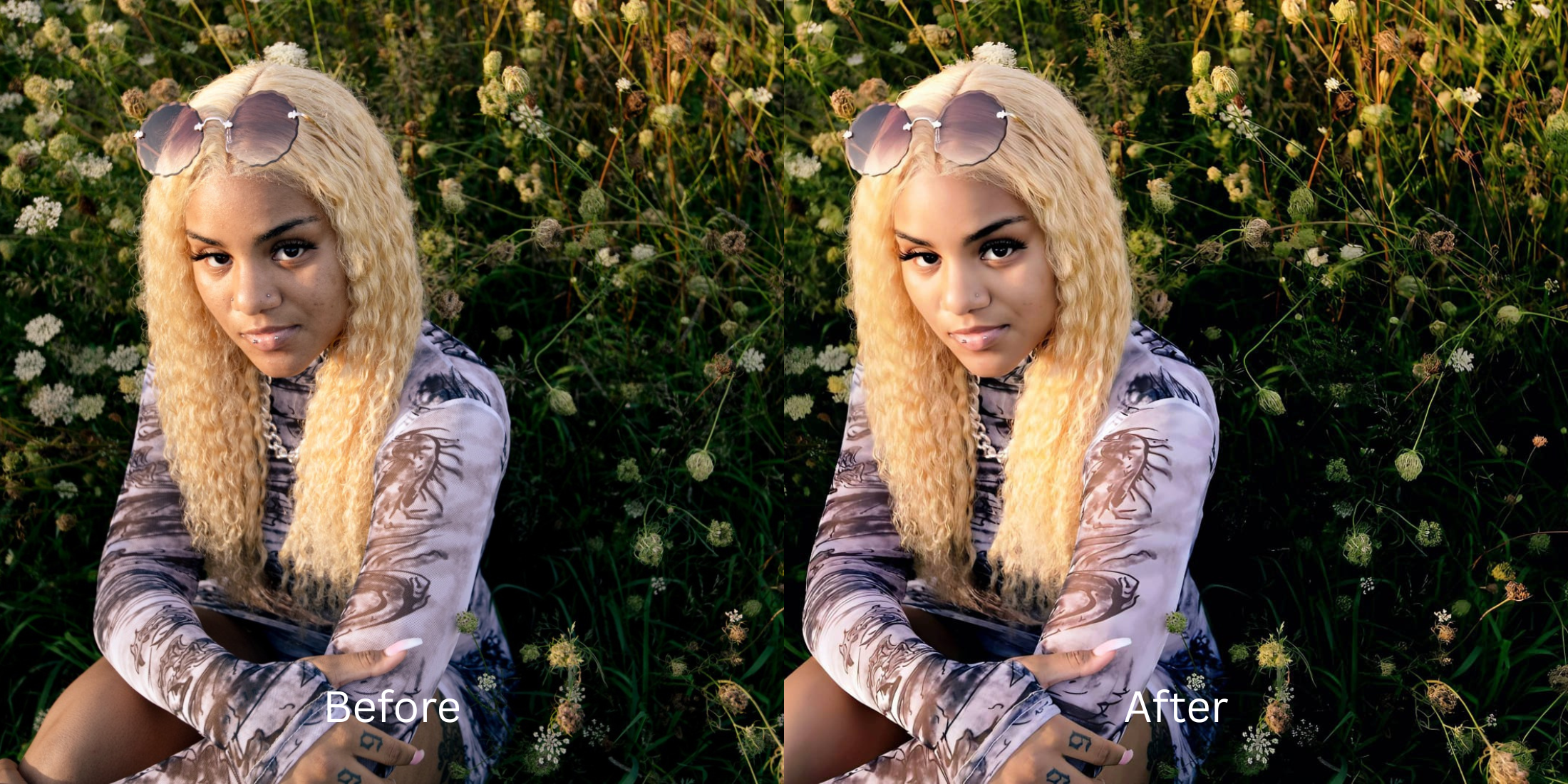
In 2026, the photo editing landscape is witnessing a massive rebellion against generative AI. For years, smartphones have been overly processing our faces, resulting in lens distortion, artificial smoothing, and severe sensor washout. When people turn to apps for people who hate filters to fix these camera-induced errors, they are met with horrifying solutions: fake digital makeup, alien facial stretching, and plastic skin textures that erase their human essence. The anti-AI trend is booming because people simply want to look like themselves again. This is where mathematical recovery comes in. Instead of hallucinating a new face over yours, Citrus relies on optical physics and structural density mapping to decompress distortion and recalibrate washed-out lighting. By restoring the raw data captured by the sensor, it brings back your genuine, mirror-accurate appearance without the synthetic gloss.
The Anti-AI photo trend is a rejection of fake generative filters. Citrus fixes this by using optical decompression and mathematical recovery to correct lens distortion and lighting washout, restoring your human features without applying artificial textures or changing your real identity.
Understanding the "Plastic AI Face" Trap
Modern smartphone cameras utilize aggressive computational photography that flattens natural shadows and distorts proportions, especially on wide-angle lenses. When you try to fix this, mainstream apps apply generative overlays that fail to recognize human anatomy, producing results that look undeniably fake and unsettling.
- Applying fake digital makeup and synthetic skin textures
- Using alien stretching to alter your bone structure
- Hallucinating facial details that don't belong to you
- Erasing all human pores, resulting in a plastic look
- Uses mathematical recovery to correct lens distortion
- Applies optical decompression to restore true proportions
- Recalibrates sensor washout to bring back natural depth
- Preserves your authentic human features and skin texture
You don't need a generative hallucination to fix a photograph; you need a tool that understands optical physics. By restructuring the image's baseline density, you can make flat photos look alive and eliminate the artificial camera processing to get back to reality.
Restore your mirror-accurate look. Ditch the fake filters and recover your human features.
A 5-Step Test: Fixing the Plastic AI Look Naturally
Upload the raw, unedited photo
Always start with the raw, untouched original image. Any prior generative edits or social media filters will permanently destroy the baseline sensor data, making true mathematical recovery impossible.

Let the instant preview map baseline data
Once uploaded, Citrus immediately scans the image to analyze the structural density and depth map, reading the optical physics rather than hallucinating new pixels over your face.

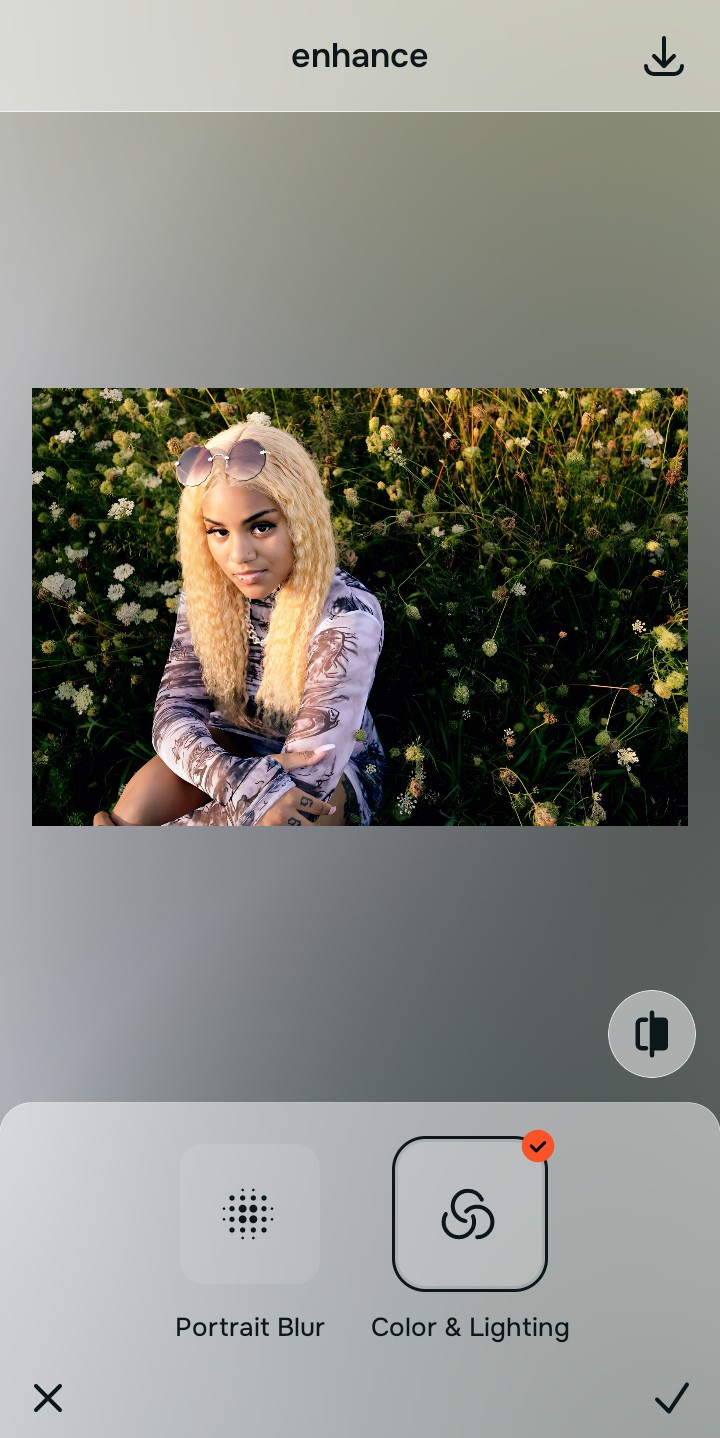
Tap Enhance and choose Colors & Lighting
Before addressing specific features, you must correct the sensor washout. Balancing the global density layers and lighting ensures that your human skin tones and natural shadows are accurately represented. If you need to fix washed out selfies, this foundational step is absolutely non-negotiable.

Why Lighting Matters First Structuring baseline density properly is crucial because it allows the mathematical recovery engine to distinguish between actual facial features and camera-induced flattening.
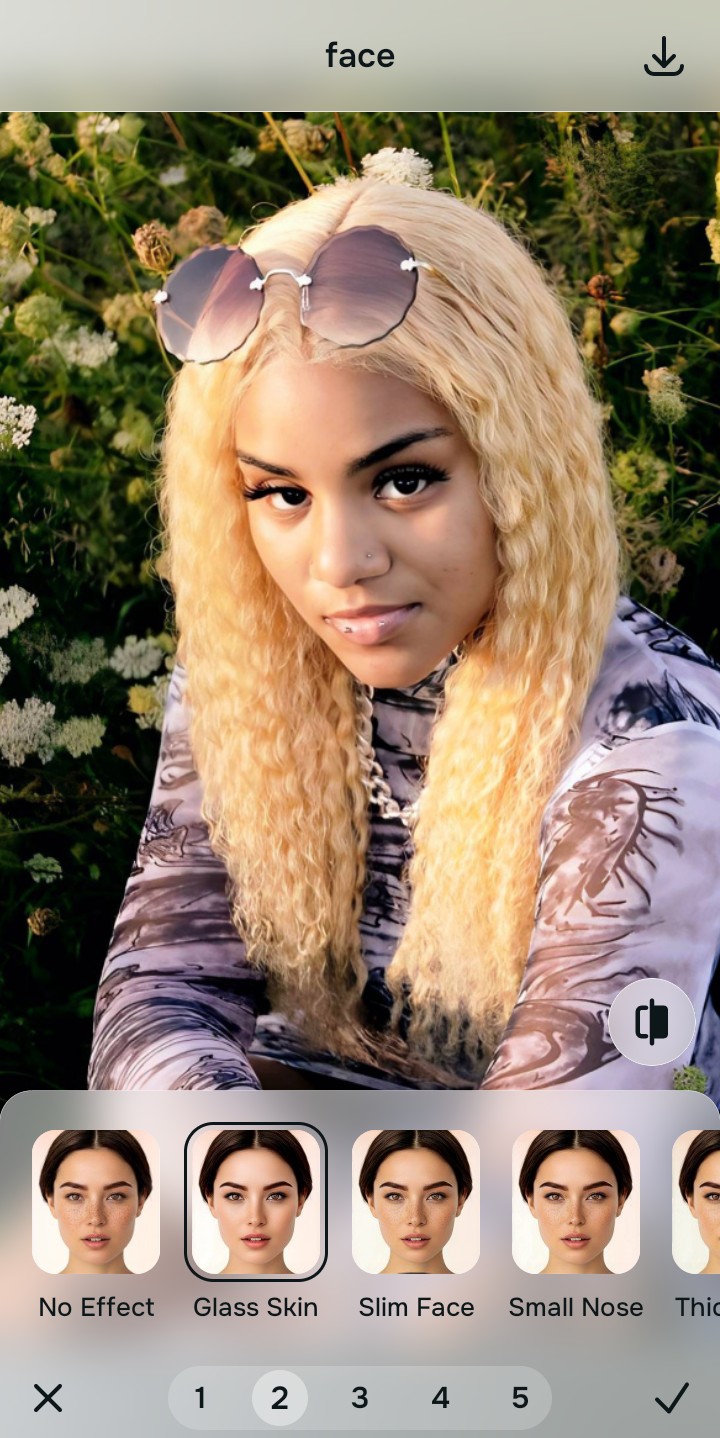
Tap Face and select Glass Skin
Navigate to Looks and select 'Natural Restore'. This specific tool utilizes optical decompression to gently undo the wide-angle lens distortion without resorting to alien stretching, keeping your facial geometry entirely human.
Export your authentic, mirror-accurate master file
Save your restored photo. You now have an authentic, mirror-accurate image that embraces the anti-AI trend by showcasing the real you, completely free of synthetic alterations.

Why did your photo fail?
Identify your primary optical hurdle to select the exact automated pathway in Citrus.
Aligning Your Edits with the Citrus Taxonomy
Instead of gambling with generative apps that turn you into a plastic doll, Citrus categorizes enhancement into three distinct, mathematically safe pathways based on preserving real artistry:
| Tool Pathway | Primary Flaw Remediated | Automated Fix Strategy |
|---|---|---|
| Enhance Overall Photo | Heavy computational flattening and severe sensor washout. | Recalibrates structural density and recovers baseline lighting mathematically. |
| Looks | Wide-angle lens distortion altering facial proportions. | Applies optical decompression to restore your true mirror-accurate geometry. |
| Face | Aggressive camera smoothing erasing human skin details. | Extracts and preserves authentic skin texture without fake digital makeup. |
“We don't need AI to generate a better version of ourselves; we need optical physics to recover the human reality that our cameras failed to capture.”
Why Physical Recovery Beats Fake Filters
Generative AI tools completely misunderstand the goal of portrait photography. When faced with a distorted or washed-out image, they attempt to fix the problem by hallucinating entirely new data. They apply fake digital makeup, generate synthetic pores, and use alien stretching to force your face into an unnatural template. This results in the uncanny valley effect that the 2026 anti-AI trend is actively fighting against—a plastic, non-human representation that looks nothing like the person in the mirror.
Citrus takes the exact opposite approach by relying on optical physics and mathematical recovery. Instead of inventing new features, it analyzes the structural density of the original file to understand how the camera lens distorted the light. By calculating the inverse of that distortion, Citrus performs an optical decompression that accurately restores your true proportions and lighting. The result is a genuinely human, mirror-accurate photograph that honors your real identity.