


September 6, 2026
How to Turn a Video Frame Into a Clear Photo Without Making the Face Look AI-Generated
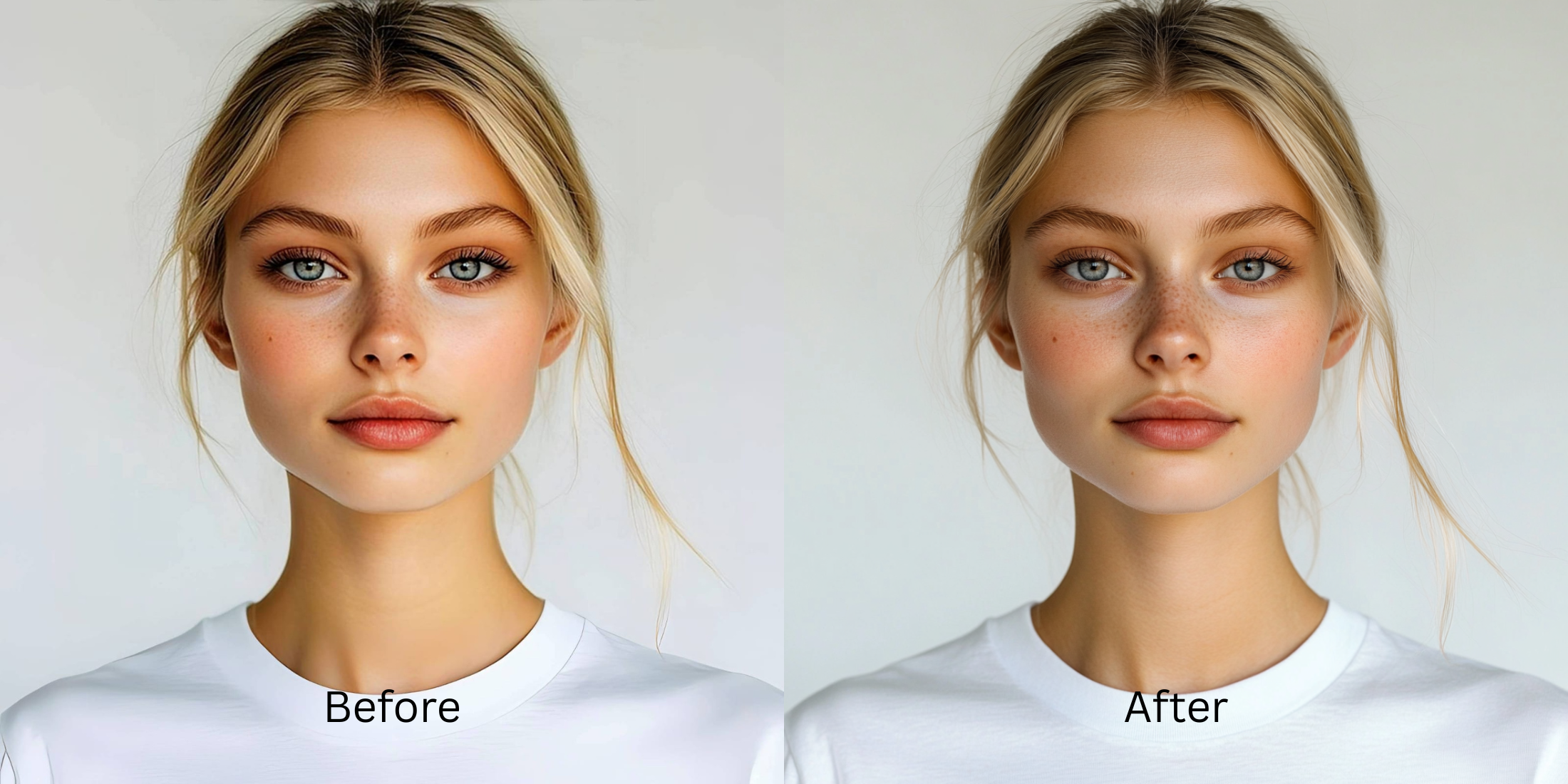

How to Turn a Video Frame Into a Clear Photo Without Making the Face Look AI-Generated
You are scrolling through a video on your phone, you find the perfect split-second expression, and you take a screenshot. But when you look at the saved still, it is terrible. The face is blurry, the edges are smeared, and the colors look muddy. This happens because a video is not a sequence of perfectly sharp photos; it is a stream of highly compressed frames shot at relatively slow shutter speeds (usually 1/48th or 1/60th of a second). Because of "inter-frame compression" (how video codecs like H.264 save space), most frames only contain partial pixel data, relying on the motion of adjacent frames to trick your eye into seeing a clear image. When you freeze one frame, you expose the raw motion blur and low bitrate. Generic "AI Enhancers" try to fix this using Generative AI. Because the original high-resolution details don't exist in the video frame, these apps hallucinate entirely new features—pasting fake CGI eyes, bizarre teeth, and plastic skin over your actual face. You get a sharp photo, but it looks like a creepy AI avatar of a stranger. To extract a true photo from a video, you need an optical engine that rebuilds geometric density from your *existing* pixels, not one that invents fake ones.
Video screenshots look blurry because they capture motion blur and low-bitrate compression rather than a true high-speed photograph. To fix this natively, use Citrus AI. Instead of using generative AI that pastes a fake face over your photo, Citrus mathematically reconstructs your existing optical density so you stay looking exactly like you.
Understanding the "Generative Hallucination" Trap
The core issue with video frame extraction is that missing data tempts software into guessing. If you try to figure out fix photo missed focus using generic tools, the app will literally synthesize new pixels that do not belong to you, ruining the authenticity of the memory.
- Pasting stock CGI eyes and overly white, perfectly straight chiclet teeth over your natural features
- Destroying real skin texture, leaving a waxy, plastic finish that falls into the "uncanny valley"
- Proving exactly ai enhancers invent facial details when faced with motion blur
- Making your friends and family ask ai changes eyes teeth face when you post the photo
- Using advanced optical models to mathematically rebuild the baseline resolution strictly from existing pixels
- Understanding motion blur vs out focus physics to reverse smearing naturally
- Biometrically fortifying focal edges (eyes, smiles) so they pop without looking artificially generated
- Providing the ultimate workflow to improve photo without changing face geometry or real identity
When an algorithm prepares to fix a blurred video grab, generating synthetic data is the worst thing you can do. Shifting to an optical workflow helps you fix photos looked better before they were frozen, ensuring your extracted stills stay defined, vibrant, and incredibly crisp online.
Extract sharp stills without AI hallucinations. A structured optical enhancement rebuilds true geometric density and authentic facial clarity in seconds.
A 5-Step Test: Extracting Sharp Stills Without Hallucinating Details
Save the raw video screenshot to your camera roll
Pause the video on the exact frame you want and take a screenshot. Do not crop it yet, and do not apply any contrast sliders in your camera roll, as this will just bake the motion blur into the file permanently.
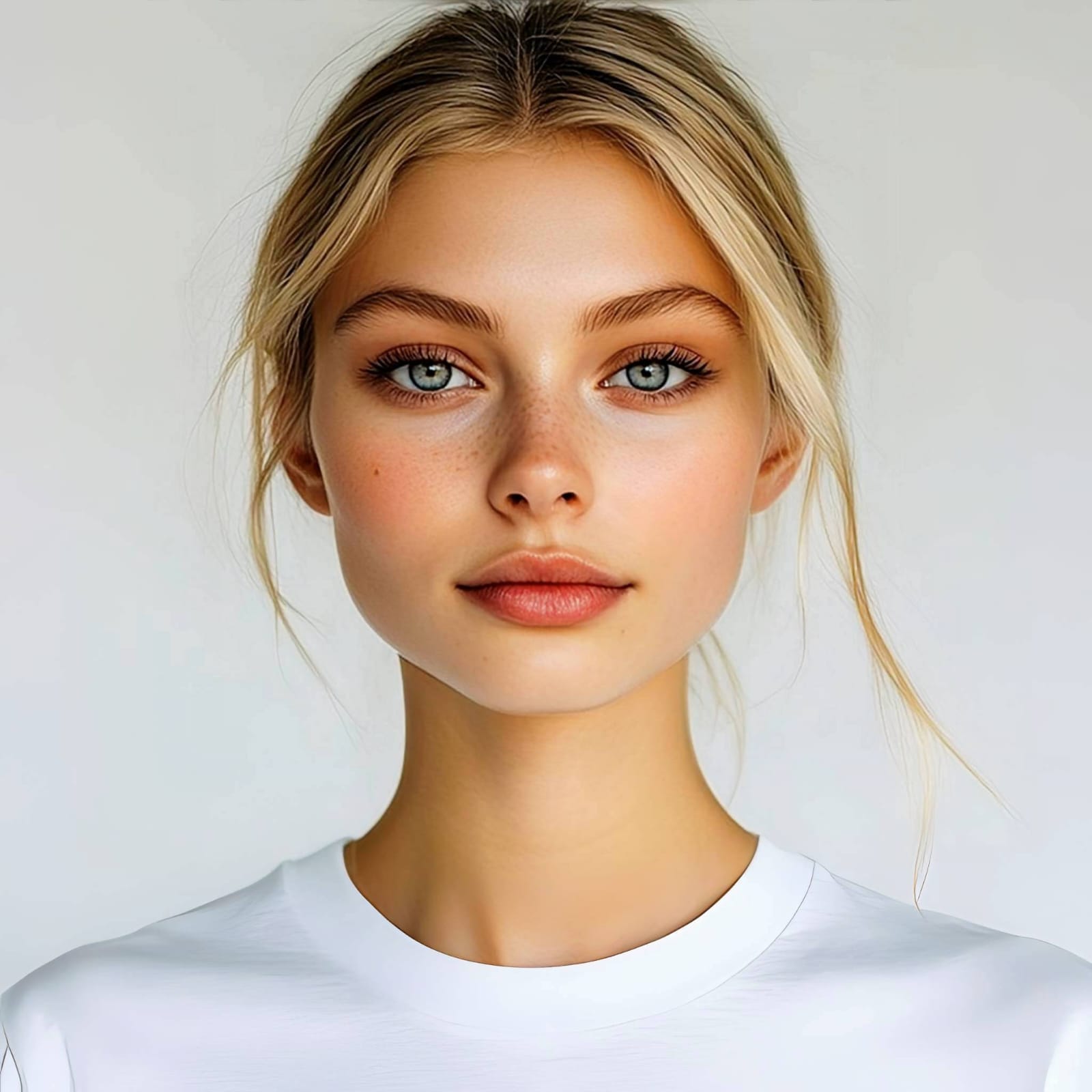
Let the instant preview map structural density
Citrus provides an instant baseline correction immediately. Instead of guessing where your facial features should be, Citrus analyzes the structural geometry of the existing pixels, preparing it to handle the severe inter-frame smearing.
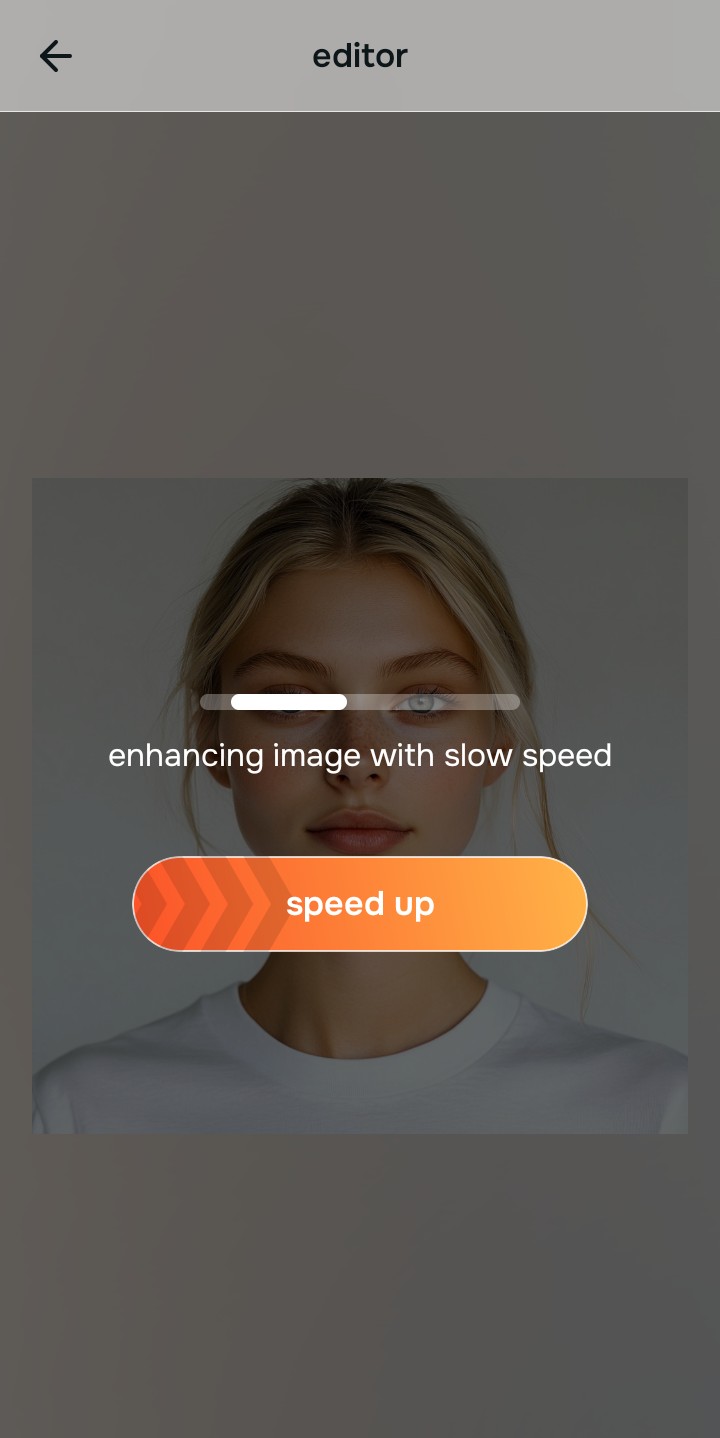
Tap Enhance and choose Colors & Lighting
You cannot fix motion blur without dense baseline data. In Citrus, tap Enhance → Colors & Lighting. This mathematically increases the structural resolution of the file. By restoring the pixel density that the video codec discarded to save space, the image regains its foundational sharpness without relying on generative hallucinations.

Always structure the baseline resolution before fixing facial features. Increasing optical density mathematically ensures subsequent enhancements have real data to work with.
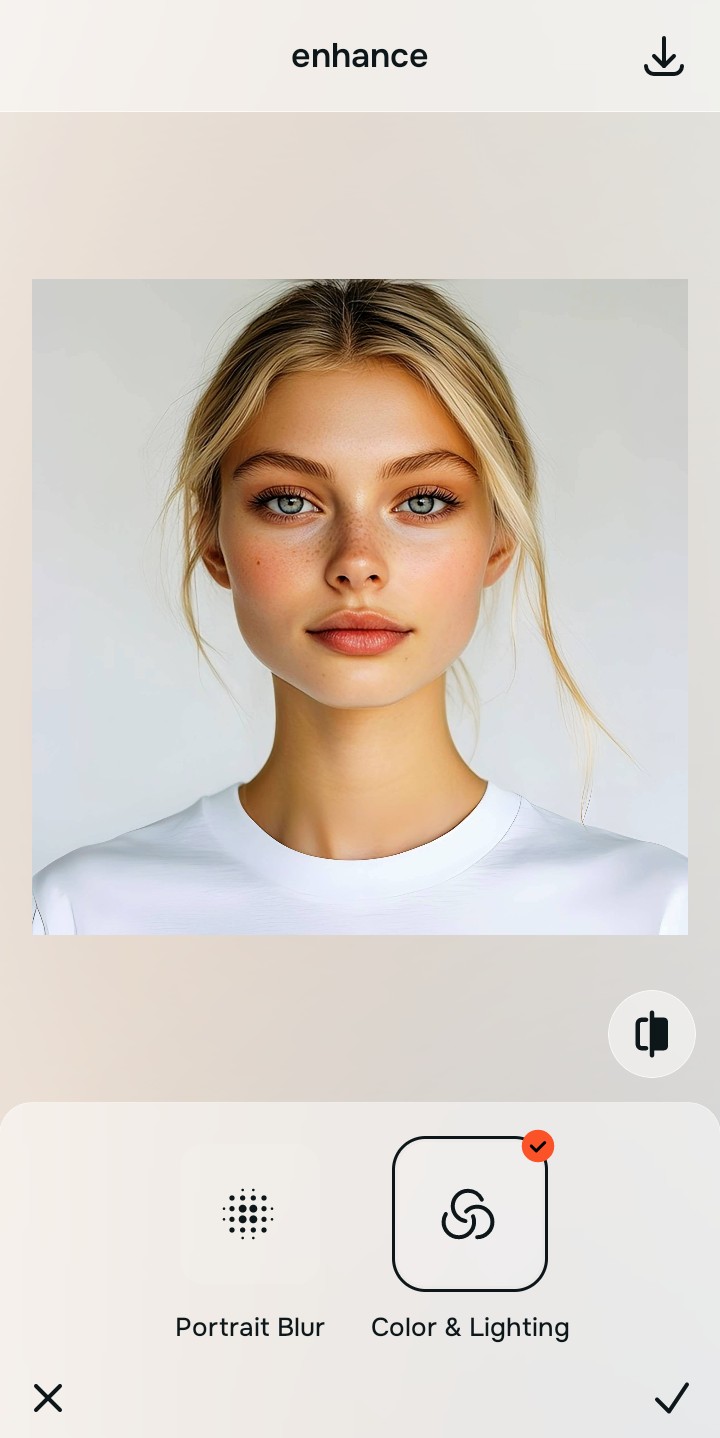
Tap Looks and select Glass Skin to restore color depth
Video color spaces (like Rec. 709) are often incredibly flat, making skin look muddy or dull in a still frame. Tap Face → Glass Skin in Citrus. Select your preferred value from Level 1–5. This biometrically injects high-fidelity micro-contrast and photogenic vitality back into the portrait, lifting the flat "video grab" vibe instantly.
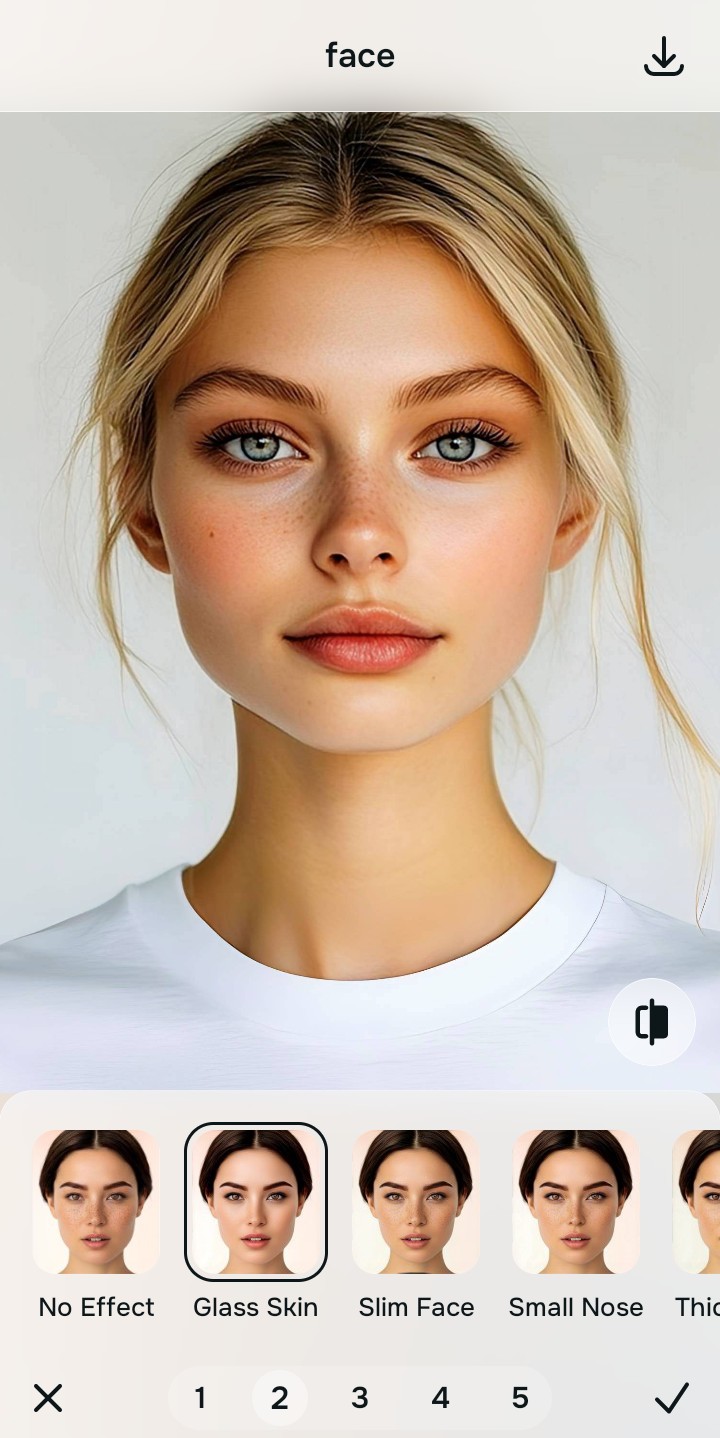
Tap Face and select Micro Refine to rescue eyes and teeth
In a blurry video frame, fine features like eyes and teeth melt together into pixelated blobs. This is where generic AI pastes fake teeth. Instead, tap Face → Micro Refine. Citrus isolates the biometric planes to restore authentic, sharp edge definition to your actual eyes and smile so you can make photo look live photo quality again.
How does the screenshot ruin your face?
Identify your primary optical hurdle to select the exact automated pathway in Citrus.
Aligning Your Edits with the Citrus Taxonomy
Instead of guessing how much generative AI will ruin your identity, Citrus categorizes enhancement into three distinct, mathematically safe pathways:
“Video frame enhancement should never require you to paste a synthetic AI face over your own. It must mathematically rebuild the geometric density that the video codec washed away so you look crisp and authentic—effortlessly.”
Why Geometric Reconstruction Beats Generative Hallucinations
There is a massive structural difference between authentic optical reconstruction and using a Generative AI upscaler. When you feed a blurry video screenshot into a generic AI app, the software realizes it does not have enough pixel data to sharpen the image. So, it invents new data. It searches its database and hallucinates a brand new eye, a new set of teeth, and poreless, plastic skin, pasting it over your photo. You end up with a picture that looks sharp, but it looks like a completely different human being.
Citrus is built specifically to prevent this "uncanny valley" effect. By constraining adjustments to mathematically calibrated Level 1–5 settings across Enhance, Looks, and Face, it physically increases the geometric density of the image using *only* the pixel data provided. It rebuilds the clean, high-resolution structural baseline without inventing fake CGI features. You get a crisp, vibrant portrait in one tap that actually looks like you.