


August 30, 2026
Why Does My Instagram Profile Picture Look Blurry Even When the Original Is Sharp?
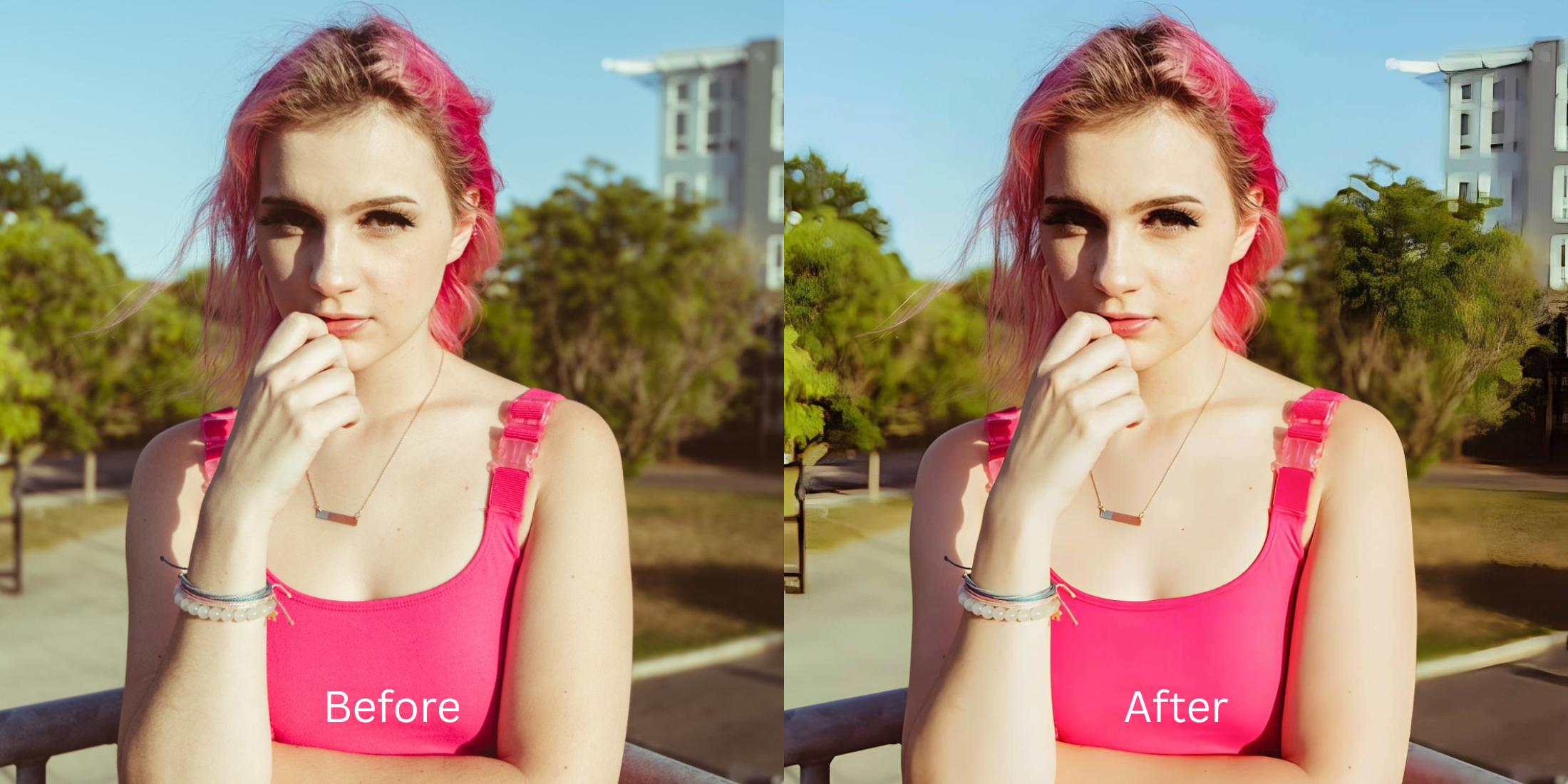

Why Does My Instagram Profile Picture Look Blurry Even When the Original Is Sharp?
You just took a perfectly crisp, 4K portrait on your phone. Every eyelash and pore is razor-sharp in your camera roll. But the second you upload it as your Instagram profile picture (PFP), it turns into a soft, muddy, pixelated blur. This is not a glitch; it is a brutal, unavoidable feature of social media architecture. Unlike Stories or Feed posts, an Instagram PFP is tiny—rendered at exactly 152x152 pixels on mobile screens and capped at a hard limit of 320x320 pixels on desktop. When you upload a massive portrait, Instagram's algorithm aggressively tosses out over 90% of your pixel data to force it into that tiny circle. This extreme "decimation" causes severe pixel interpolation blur, where sharp edges get averaged out into soft halos. Standard editing apps try to fix this by adding heavy sharpening, which just creates jagged, deep-fried artifacts when squeezed into a 152px circle. To survive this extreme downscaling, you need an optical engine that structurally prepares your file before compression occurs.
Instagram PFPs look blurry because uploading a massive 4K photo forces the algorithm to aggressively crush the resolution down to a tiny 152px circle. To bypass this natively, use Citrus AI. Instead of applying fake sharpening that triggers jagged artifacts, Citrus mathematically structures your facial geometry so vital details survive the extreme downscaling intact.
Understanding the "320px Hard-Limit" Trap
The core issue with profile picture uploads is that extreme downscaling destroys high-frequency contrast. When a million pixels are squeezed into a few thousand, the algorithm has to "average" them together. To fix blurry instagram profile picture uploads, you cannot rely on generic contrast sliders, which just confuse the compression engine further.
- Applying noisy contrast halos that trigger Instagram's algorithm to crush the file into a jagged, pixelated mess
- Destroying the smooth gradient of your skin, leaving a crunchy texture when viewed in the tiny circle
- Failing to understand how the instagram 320px compression explained by developers actually decimates resolution
- Melting fine details like eyelashes into blurry blobs, prompting you to search how to stop pfp from losing quality
- Using advanced optical models to mathematically fortify geometric density to survive the extreme circle crop
- Injecting clean, editorial micro-contrast to fix soft looking profile photos natively without adding digital grain
- Biometrically fortifying facial edges (eyes, jawline) so they pop clearly even at 152x152 pixel thumbnail sizes
- Giving you the perfect baseline to unblur tiny instagram circle crop artifacts once and for all
When an algorithm prepares to shrink your file by 90%, adding chaotic noise is the worst thing you can do. Shifting to an optical workflow helps you stop wondering why instagram pfp looks blurry, ensuring your tiny portrait stays defined, highly attractive, and incredibly crisp online.
Fortify your PFP against extreme downsampling. A structured optical enhancement brings true geometric density and clean micro-contrast to your snapshots in seconds.
A 5-Step Test: Pre-Conditioning Your PFP to Survive the Circle Crop
Upload the raw, unedited camera roll photo
Find the portrait that looks incredibly sharp on your phone but turns to mush when set as your profile picture. Starting with clean sensor data is essential before you attempt to sharpen instagram profile photo naturally.
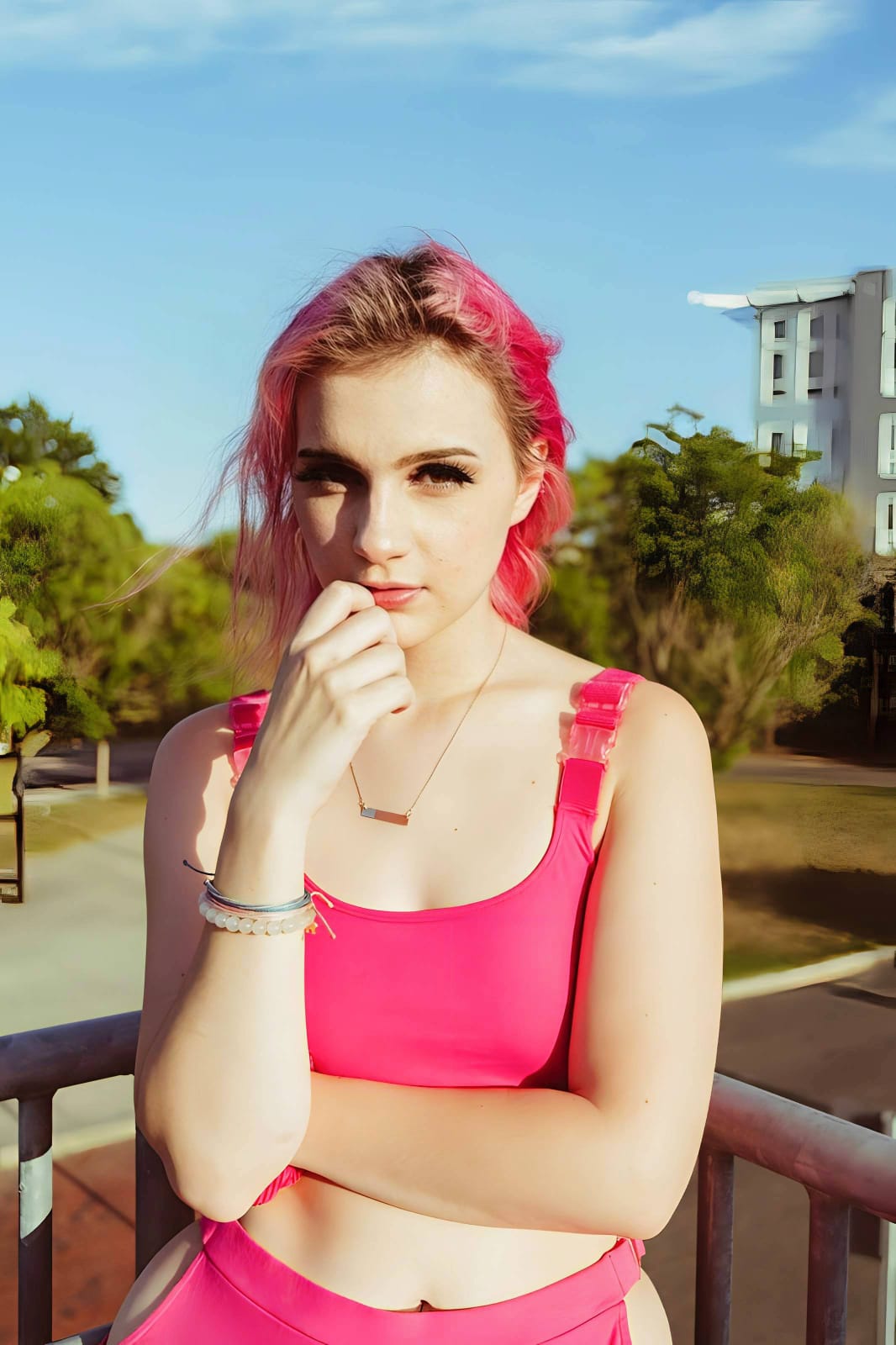
Let the instant preview map structural density
Citrus provides an instant baseline correction immediately. Instead of just adding a blanket noise layer, Citrus analyzes the structural geometry of the face, preparing it to handle severe bitrate crushing.
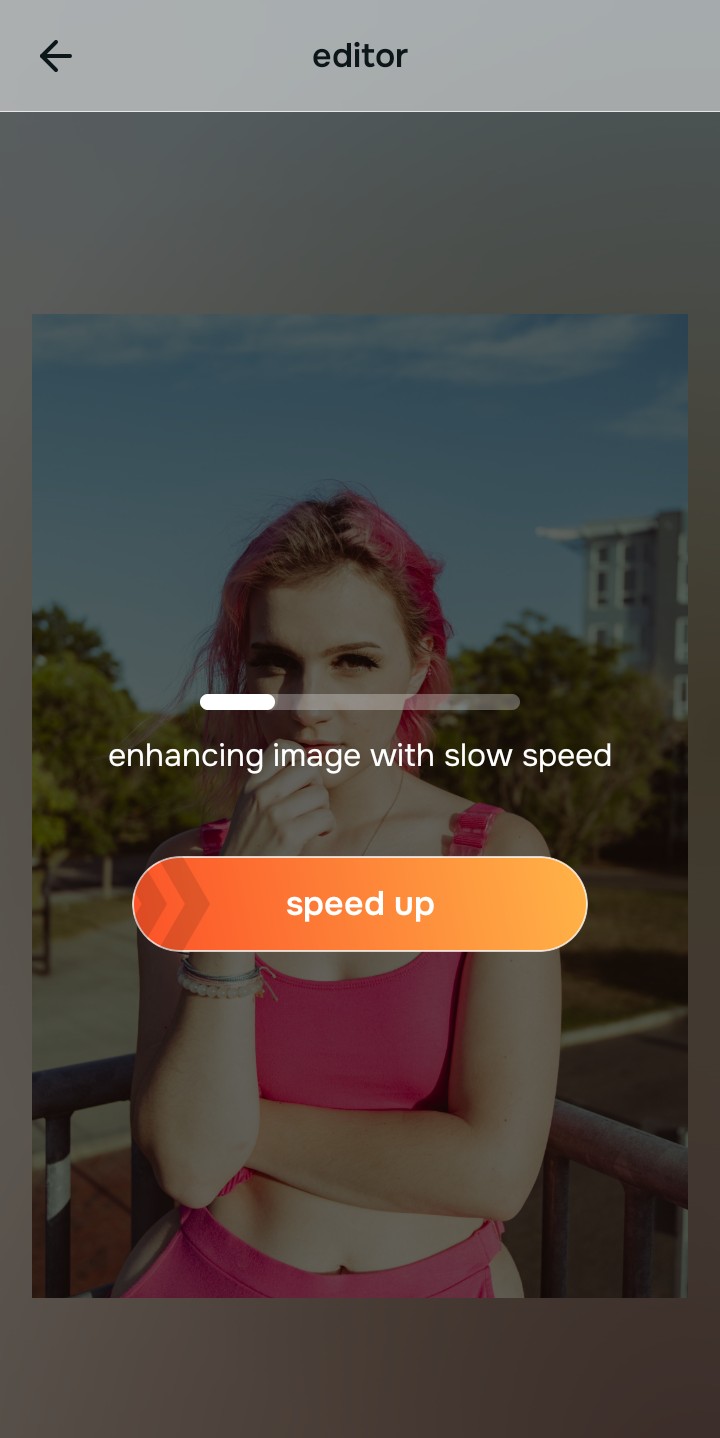
Tap Enhance and choose Colors & Lighting
You cannot survive extreme downsampling without dense baseline data. In Citrus, tap Enhance → Colors & Lighting. This mathematically increases the structural resolution of the file. By providing the algorithm with a significantly denser foundation of clean pixel data, the resulting compressed 320px circle remains objectively sharper than a standard upload.

Always structure the baseline resolution before adding aesthetic micro-contrast. Increasing optical density mathematically ensures subsequent enhancements survive the circle crop.
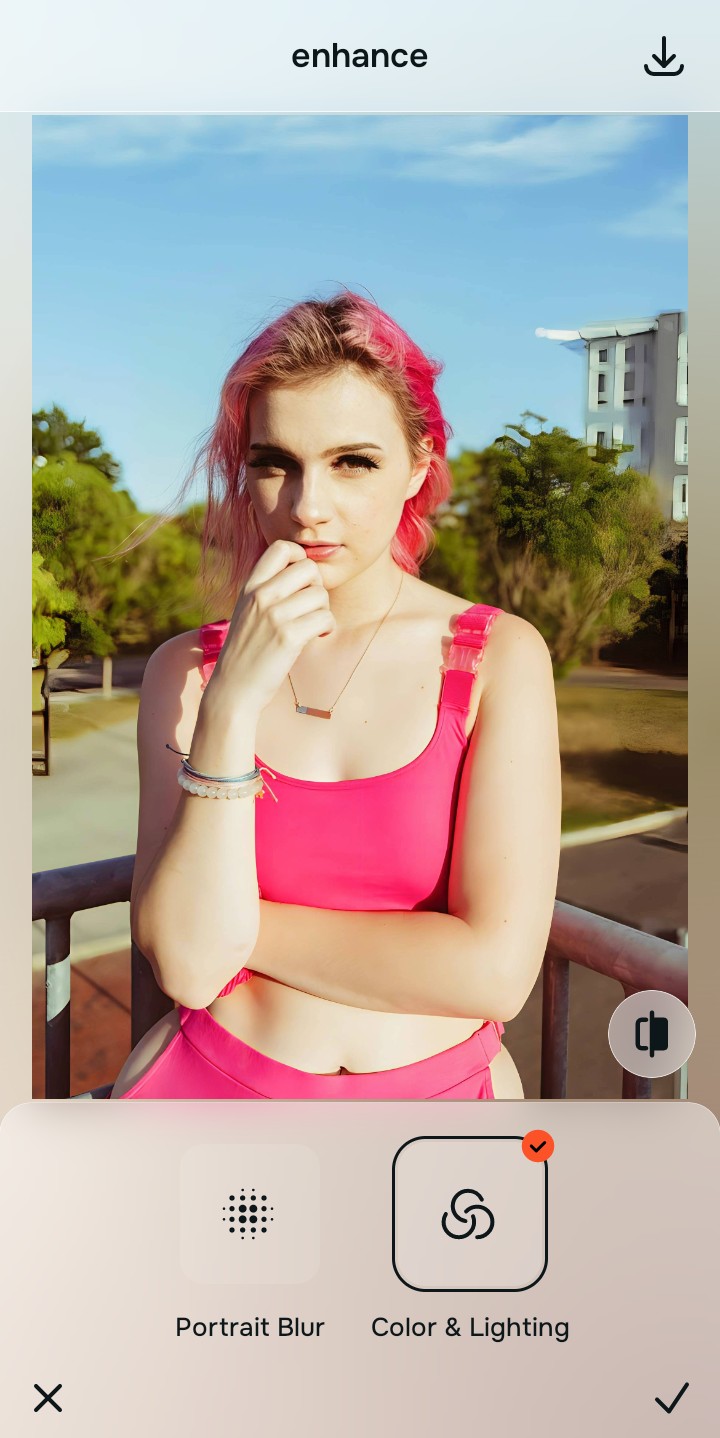
Tap Face and select Big Eyes to fortify the eyes
In a tiny 152px thumbnail, the only things users really see are your eyes and hair. Tap Face → Big Eyes in Citrus. Select Level 1–5. This precisely targets these high-frequency geometric structures, fortifying their clarity so they remain distinct and recognizable when squeezed into the profile circle.

Export your high-resolution, uncompressed portrait
Citrus provides clean, unwatermarked HD exports completely for free, giving you the perfect, pre-conditioned file ready to conquer the PFP algorithm seamlessly.
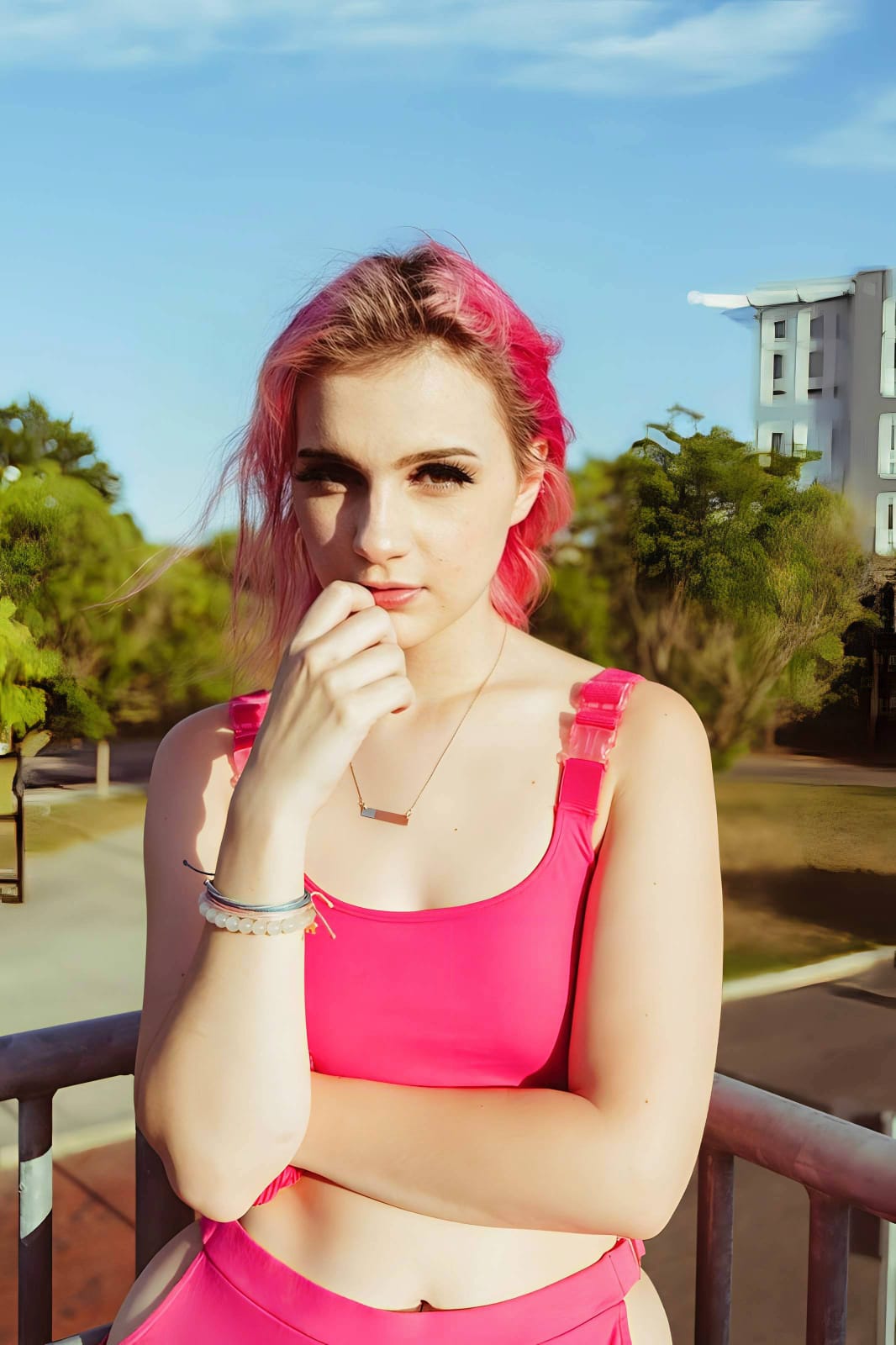
How does the PFP crop ruin your specific photos?
Identify your primary optical hurdle to select the exact automated pathway in Citrus.
Aligning Your Edits with the Citrus Taxonomy
Instead of guessing how much to artificially sharpen your photo before ruining it, Citrus categorizes enhancement into three distinct, mathematically safe pathways:
“Profile picture enhancement should never require you to deep-fry your photo with artificial sharpening just to survive an upload. It must mathematically increase structural density so you look crisp and authentic at any size—effortlessly.”
Why Pre-Compression Structuring Beats Generic Sharpening
There is a massive structural difference between authentic optical upscaling and dragging a "Sharpen" slider in a basic photo editor. When you turn up the sharpness on a photo, the software creates thick white and black halos around every single pixel edge. When Instagram's compression algorithm shrinks that down to a 152px circle, it crushes those halos into blocky, jagged, deep-fried artifacts that look completely fake.
Citrus is built specifically to prevent this. By constraining adjustments to mathematically calibrated Level 1–5 settings across Enhance, Looks, and Face, it physically increases the geometric density of the image *without* adding those artificial contrast halos. It provides the clean, high-resolution structural baseline necessary to survive the extreme circle crop intact. You get a crisp, perfect PFP in one tap without the crunch.