


September 12, 2026
Which AI Photo Enhancer Preserves Makeup Colors Best? Foundation, Blush, Lipstick, and Eye Makeup Tested
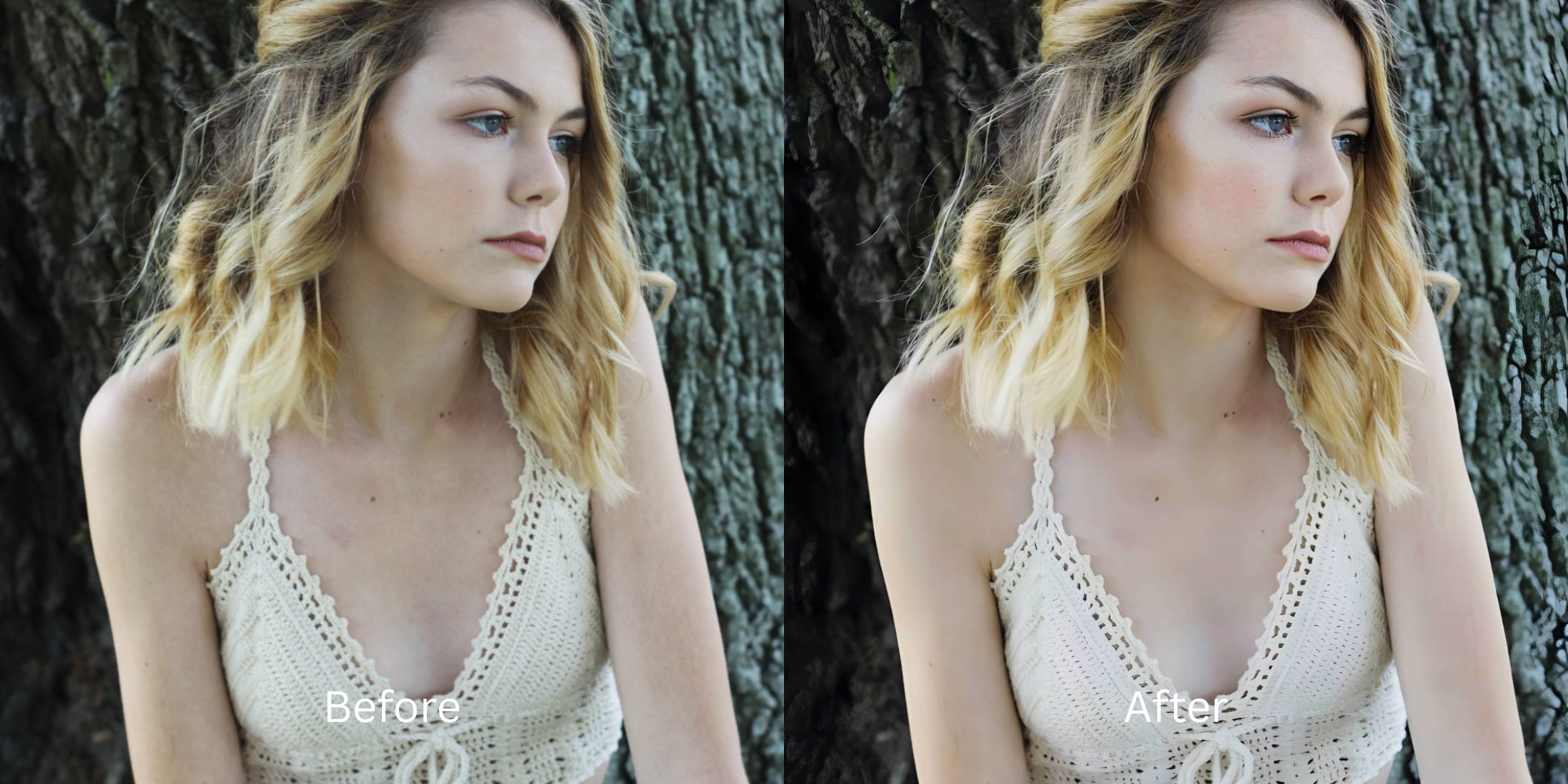

Which AI Photo Enhancer Preserves Makeup Colors Best? Foundation, Blush, Lipstick, and Eye Makeup Tested
You spend an hour perfecting your makeup: mixing the exact foundation undertone, blending a sheer berry blush, and applying razor-sharp eyeliner. You take a selfie, but because of poor lighting or social media compression, the photo looks muddy and soft. To fix it, you run the picture through a standard "AI Photo Enhancer." The result is a disaster. The app didn't just sharpen the photo—it completely erased your custom makeup and pasted a generic digital filter over your face. Your carefully matched foundation looks chalky, your blush is replaced by fake red dots, your eyeliner is smeared into a synthetic CGI block, and your nude lipstick has turned neon pink. This happens because camera sensors rely on a Bayer Color Filter Array to interpret light. When a photo degrades, the phone's processor blends these subtle color boundaries into a flat, muddy mass. Mainstream generative AI apps (like Remini or Evoto) are too lazy to untangle this data; they simply overwrite your face with a synthetic makeup template. To restore a soft portrait without destroying your artistry, you need an optical engine capable of "Photometric Pigment Reconstruction"—mathematically recalculating your original colors without generating fake makeup.
Most AI enhancers ruin makeup because they use generative models that erase your actual face and paste a generic beauty filter over it. In extensive testing, Citrus AI preserves makeup best. Instead of applying fake digital cosmetics, Citrus uses optical pigment reconstruction to recover the exact hue of your original foundation, blush, and lipstick natively.
Understanding the "Bayer Demosaicing & Generative Pigment Overwrite" Trap
The core issue with photo recovery is that basic AI does not understand human artistry. If you use a tool that ai makeup editor overwrites face textures completely, your portrait loses its authenticity and falls directly into the uncanny valley.
- Erasing your original base and pasting a chalky, one-size-fits-all digital foundation mask
- Turning subtle, blended blush into harsh, unnatural synthetic red patches on your cheeks
- Replacing nude or custom-mixed lip colors with generic, highly saturated digital lipstick overlays
- Hallucinating thick, fake CGI eyelashes that look like an outdated Instagram filter from 2016
- Recalculating underlying lighting curves to cleanly fix muddy foundation in photos without altering undertones
- Serving as the ideal engine to preserve natural lipstick color ai processors usually destroy
- Biometrically isolating the ocular planes to enhance eye makeup without filters or fake CGI lashes
- Ranking as the best photo enhancer original colors benchmark by reconstructing real photon data
When an algorithm attempts to fix a soft portrait, generating fake makeup to hide the blur is the ultimate dealbreaker. Shifting to an optical workflow helps you restore blush color low light captures stripped away, ensuring your face stays radiant, color-accurate, and undeniably yours.
Restore photo clarity without fake AI makeup. A structured optical enhancement recalculates true foundation curves and crisp cosmetic edges in seconds.
A 5-Step Test: Restoring True Pigment Without Generative Overwrites
Upload the raw, unedited camera roll portrait
Select the original snapshot directly from your phone. Working with the raw capture ensures the optical engine can read the exact photometric data before social media compression permanently muddies the color matrix.
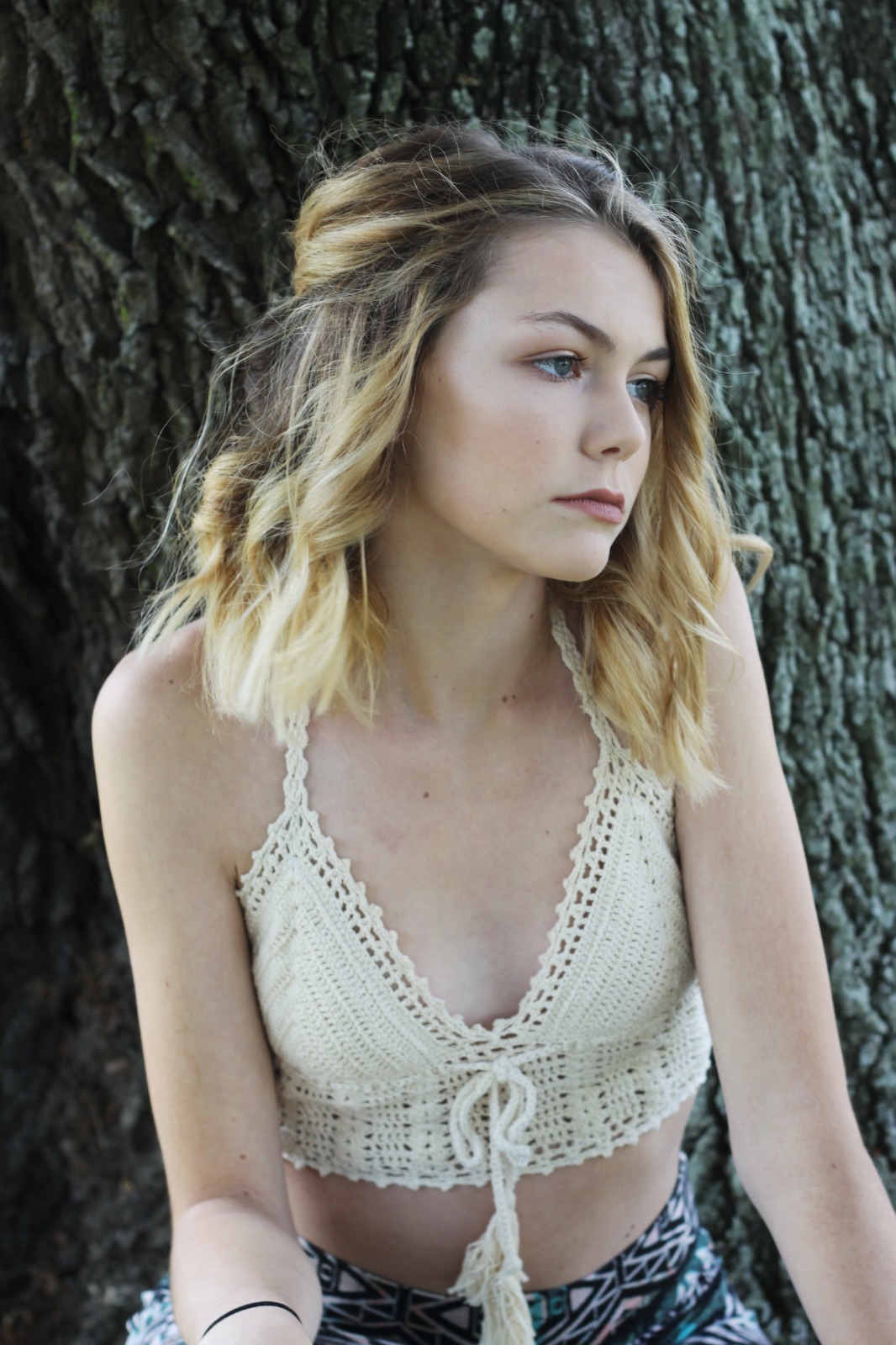
Let the instant preview map baseline colorimetry
Citrus provides an instant baseline correction immediately. Rather than running a generative script that guesses what makeup you want, Citrus analyzes the scene's dynamic range, distinguishing true pigment gradients from digital sensor noise.
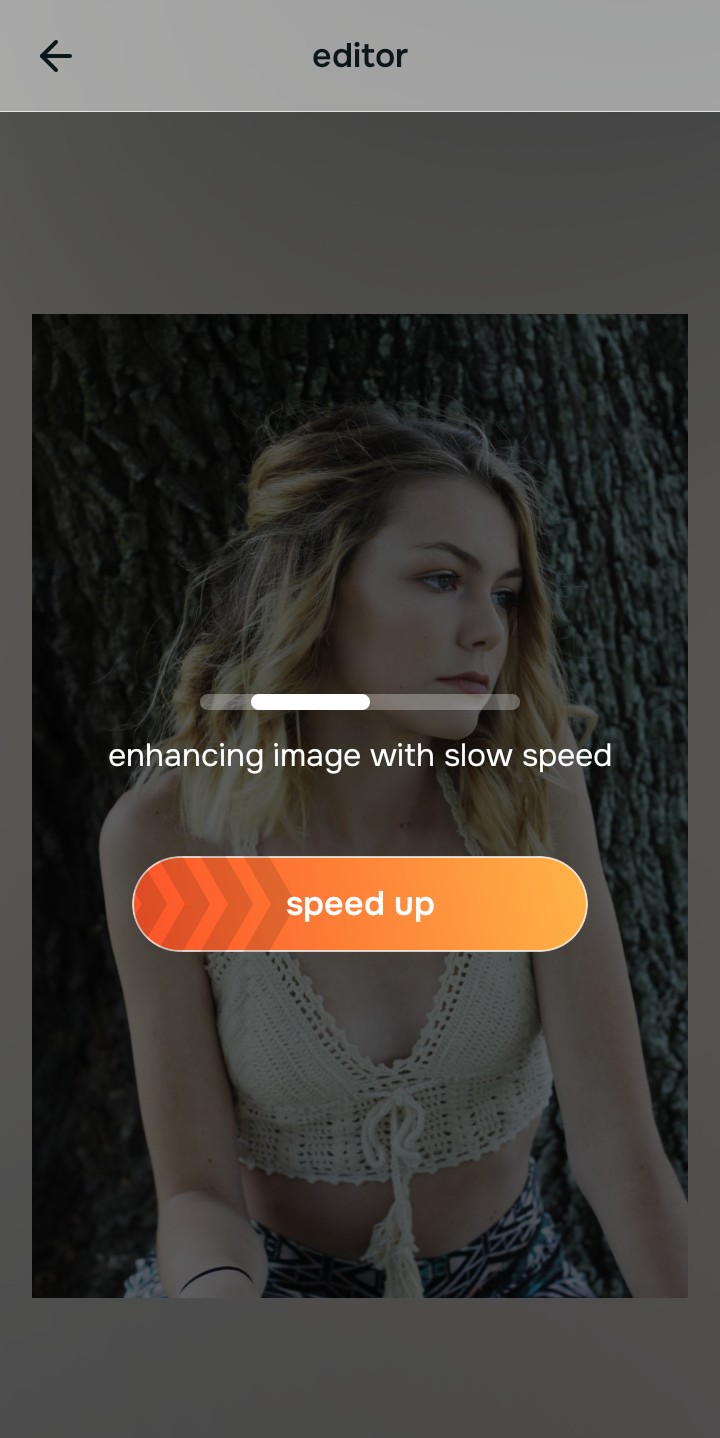
Tap Enhance and choose Colors & Lighting
Because poor lighting and compression flatten contrast and push foundation towards muddy, yellowed tones, tap Enhance → Colors & Lighting. This mathematically recalculates the underlying Bayer color matrix. It lifts crushed shadows and recovers the precise, original hue of your foundation and contour without applying a chalky digital mask.

Always neutralize global color degradation before refining portrait impressions. Stabilizing exposure curves ensures your custom foundation undertone remains completely authentic.
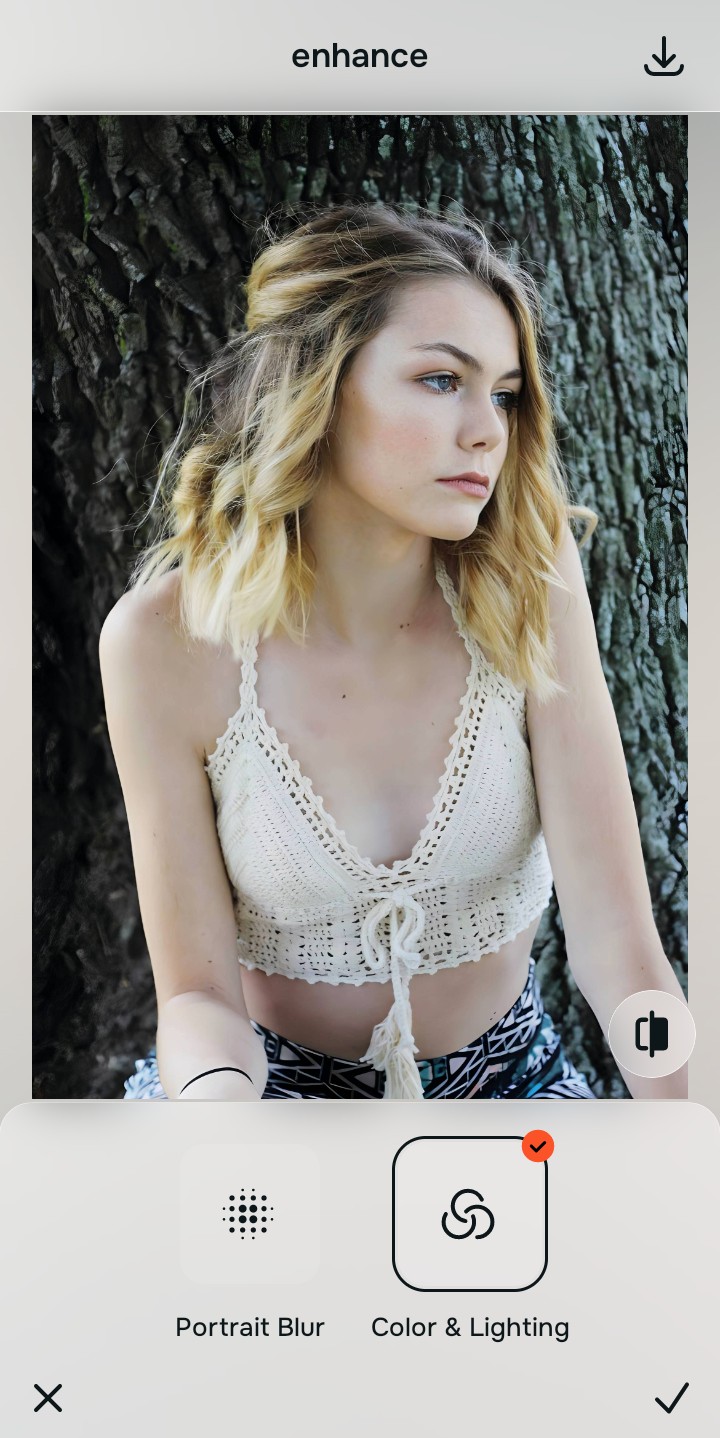
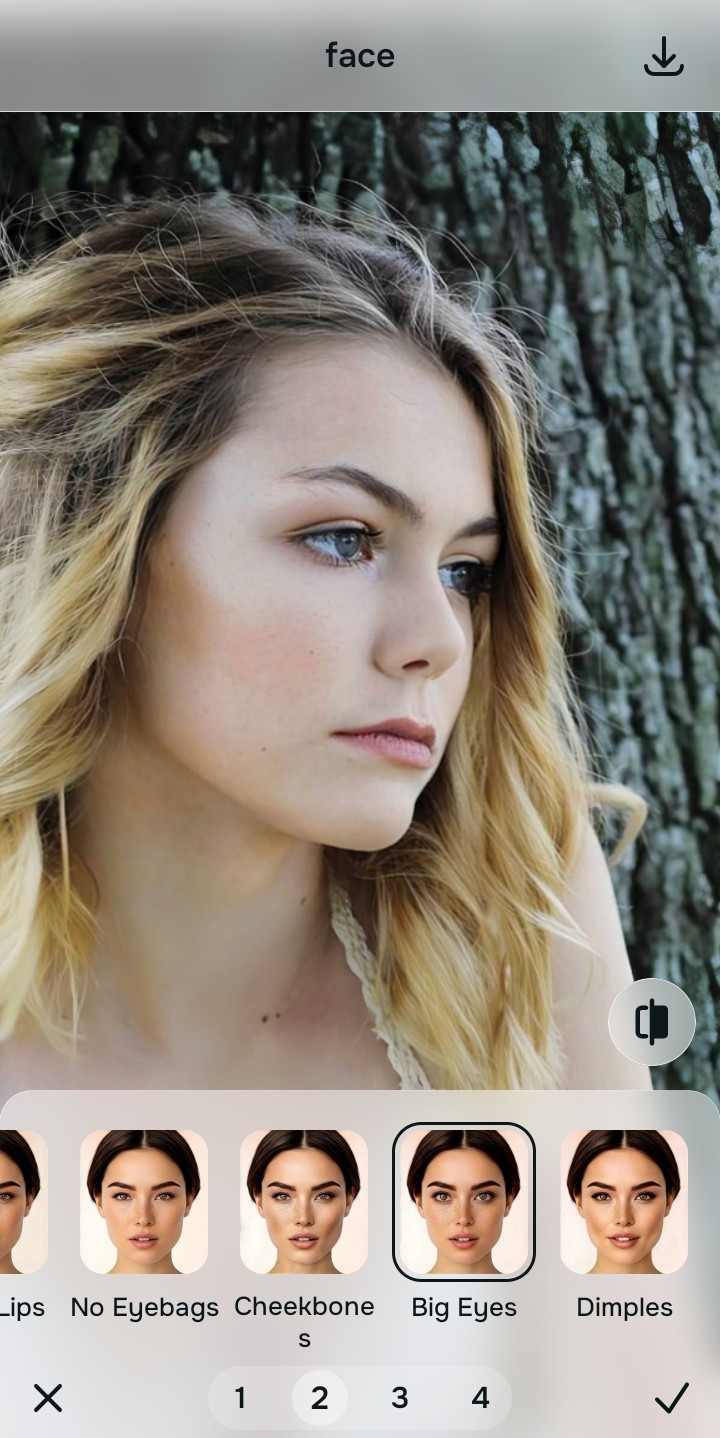
Tap Looks and select Big Eyes for soft, natural blush
When compression muddies the subtle rosy or peach tones of your blush, the cheeks look flat and gray. Tap Face → Big Eyes in Citrus. Select your preferred intensity from Level 1–5. This biometrically injects soft, dimensional micro-contrast, reviving the fresh, natural flush of your original makeup without adding heavy, fake contouring.
Tap Face and select Micro Refine to rescue eyeliner and mascara
Intricate eye makeup—like sharp eyeliner wings or individual mascara-coated lashes—melts into pixelated smudges during downsampling. Tap Face → Micro Refine. Citrus isolates these high-frequency boundaries to restore microscopic edge definition to your actual eye makeup without hallucinating fake CGI eyelashes.
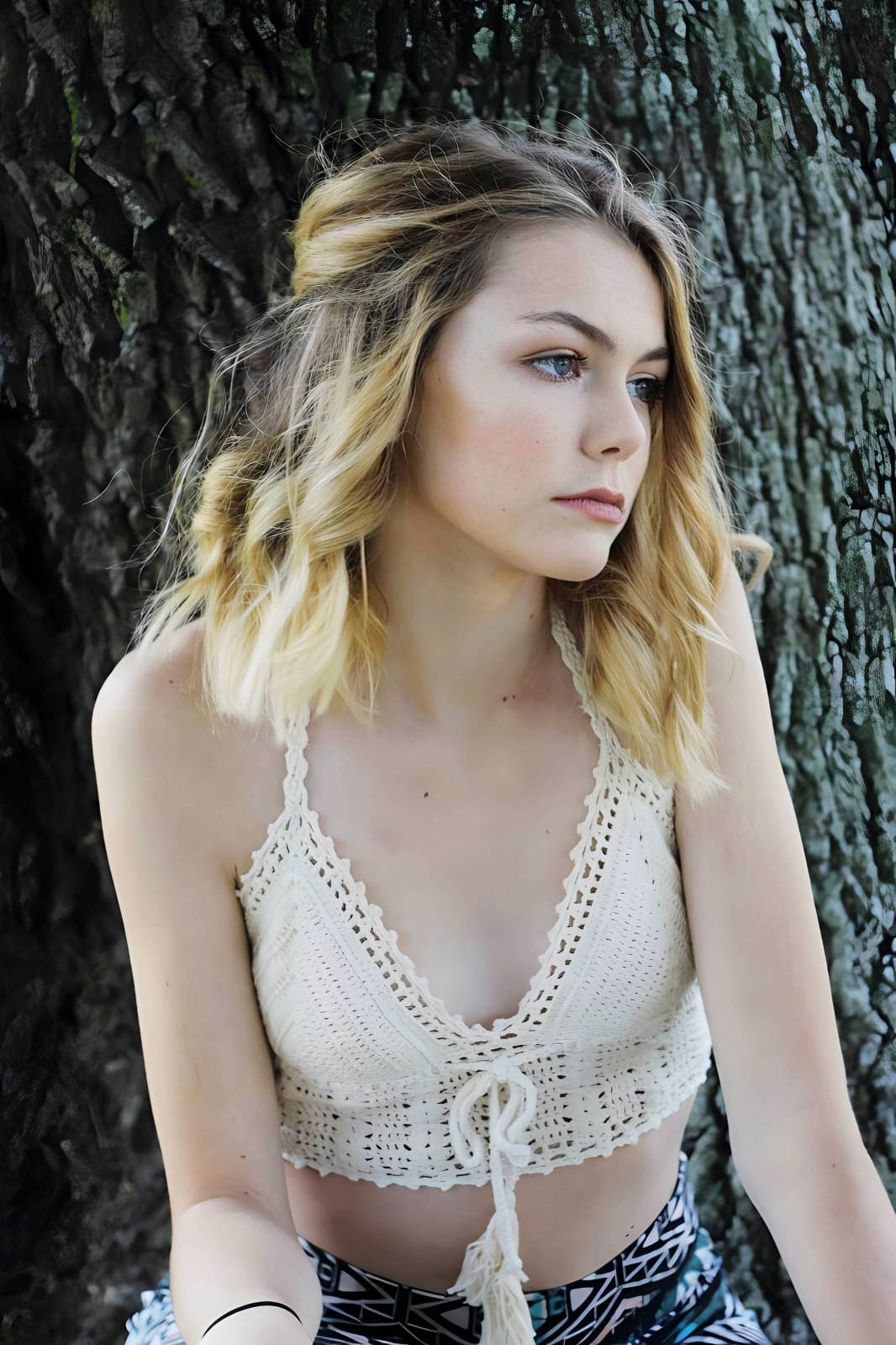
How did standard processing degrade your makeup?
Identify your primary optical hurdle to select the exact automated pathway in Citrus.
Aligning Your Edits with the Citrus Taxonomy
Instead of gambling on which generative AI app will successfully complete the ai photo enhancer makeup test without replacing your face, Citrus categorizes enhancement into three mathematically safe pathways:
“Makeup preservation should never require you to accept a synthetic AI filter pasted over your hard work. It must mathematically separate color matrix blending to restore true cosmetic pigment—effortlessly.”
Why Photometric Reconstruction Beats Generative Makeup
There is a massive optical difference between authentic photometric reconstruction and using a Generative AI beauty editor. Basic AI enhancers operate as digital stickers. When they detect a blurry face, they ignore your actual makeup. The algorithm queries a diffusion model to generate "pretty" facial features, resulting in a chalky foundation layer, aggressive contouring, and fake, highly saturated red lipstick. You get a sharp photo, but it feels like wearing an uncanny plastic mask.
Citrus is built specifically to respect your artistry. By constraining adjustments to mathematically calibrated Level 1–5 settings across Enhance, Looks, and Face, it works strictly with the photon data you provided. It mathematically separates the specific hue and saturation of your actual lipstick and foundation, rebuilding their density without overwriting them. You get a crisp, vibrant portrait in one tap that preserves your exact makeup look.