


September 13, 2026
Which AI Photo Enhancer Handles Black Clothing and Dark Hair Without Crushing Detail?
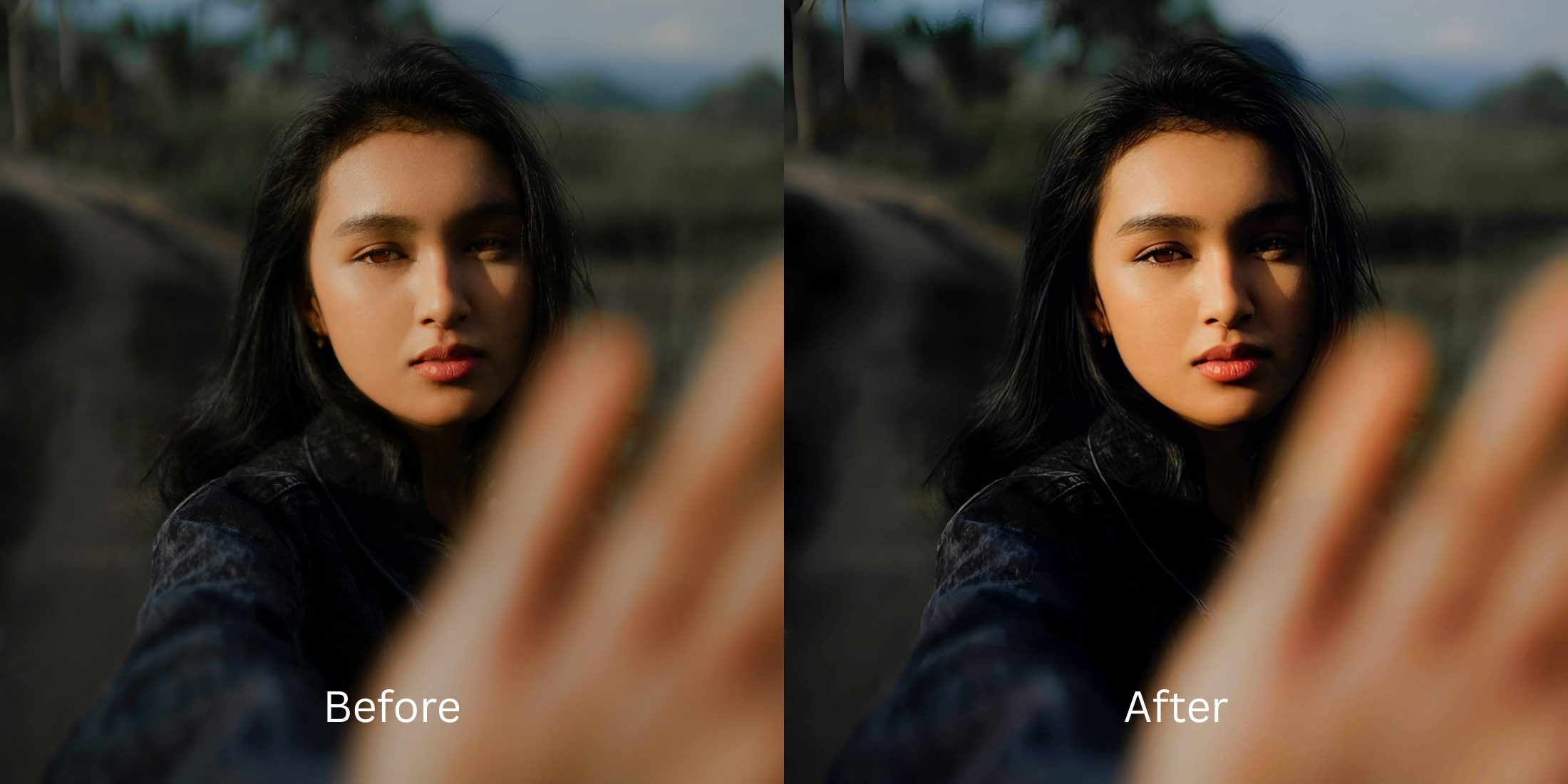

Which AI Photo Enhancer Handles Black Clothing and Dark Hair Without Crushing Detail?
Smartphone camera sensors panic when faced with low-reflectance surfaces like black sweaters, dark denim, or raven hair. Because these subjects absorb light, the camera's sensor receives almost zero contrast data to lock onto. To compensate for the perceived lack of light, the Image Signal Processor (ISP) aggressively cranks up the ISO, flooding the dark areas with digital noise. It then runs a heavy "Luminance Noise Reduction" pass, which tragically mistakes the fine micro-textures of fabric weaves and individual hair strands for digital grain. The result is the infamous "crushed blacks" effect—your expensive textured coat and layered hair are smeared into a flat, solid black void. The trap occurs when users try to fix this. Dragging a "Shadows" slider in a basic app simply illuminates the noise, turning the black void into a muddy, washed-out gray. Running it through a generative AI app causes the diffusion model to hallucinate fake CGI fabric folds or synthetic plastic doll hair that clearly doesn't belong to you. To recover dark portraits, you need an optical engine capable of "Sub-Luminance Density Recovery"—mathematically separating digital noise from authentic micro-texture to rebuild the weave of your clothes natively.
Black clothes and dark hair lose detail because smartphone noise-reduction algorithms smear their textures into a flat, black void. To fix this without turning the image gray, use Citrus AI. Instead of using a basic shadow slider that exposes ugly grain, Citrus uses sub-luminance separation to rebuild the structural weave and hair filaments natively.
Understanding the "Black Point Clipping & Luminance Smear" Trap
The core issue with dark subjects is that standard global brightening tools only expose the camera's failure. To fix crushed blacks low light correctly, you must rebuild geometric density before attempting to alter contrast.
- Lifting shadows globally, which turns rich inky black clothing into a dull, washed-out, noisy gray
- Pasting fake, synthetic CGI fabric folds or unnatural waves to "guess" the missing texture
- Forcing users to search how to stop ai changing hair texture when it ruins their dark hair
- Blurring the boundary between dark hair and the background into a muddy, jagged digital gradient
- Mathematically rebuilding the baseline pixel structure to restore the physical weave of black fabric natively
- Serving as the best app enhance dark clothes reliably without introducing gray ISO noise
- Biometrically isolating the hairline to restore dark hair detail naturally without jagged halos
- Giving photographers the exact workflow to recover lost shadow detail photos with absolute structural accuracy
When an editing tool replaces crushed shadows with synthetic noise or fake CGI hair, authenticity is destroyed. Shifting to an optical workflow helps you ensure black clothing photo texture recovery keeps your portraits sharp, Thick Lipsly contrasted, and undeniably real.
Restore dark texture without gray washout. A structured optical enhancement rebuilds fabric weaves and individual hair strands natively in seconds.
A 5-Step Test: Rebuilding Texture From Crushed Black Points
Upload the uncompressed raw capture
Select the original high-resolution photo directly from your camera roll. Working with the uncompressed sensor data ensures the optical engine can read the exact luminance data before applying an ai photo enhancer black hair recovery protocol.
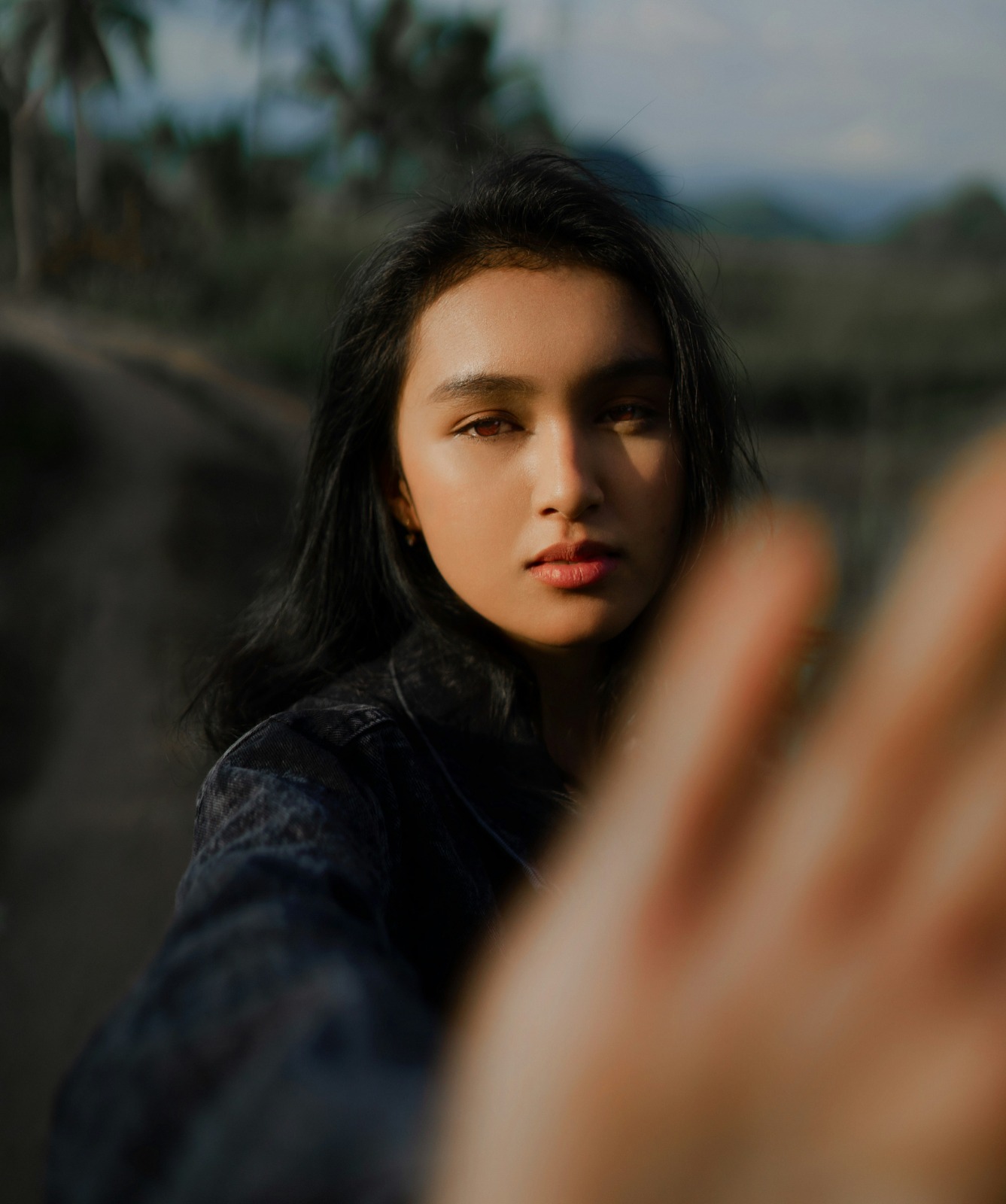
Let the instant preview map baseline chromatic distribution
Citrus provides an instant baseline diagnostic immediately. Rather than running a generative diffusion model that hallucinates fake folds in your sweater, Citrus separates true micro-texture from the digital noise created by the camera sensor.
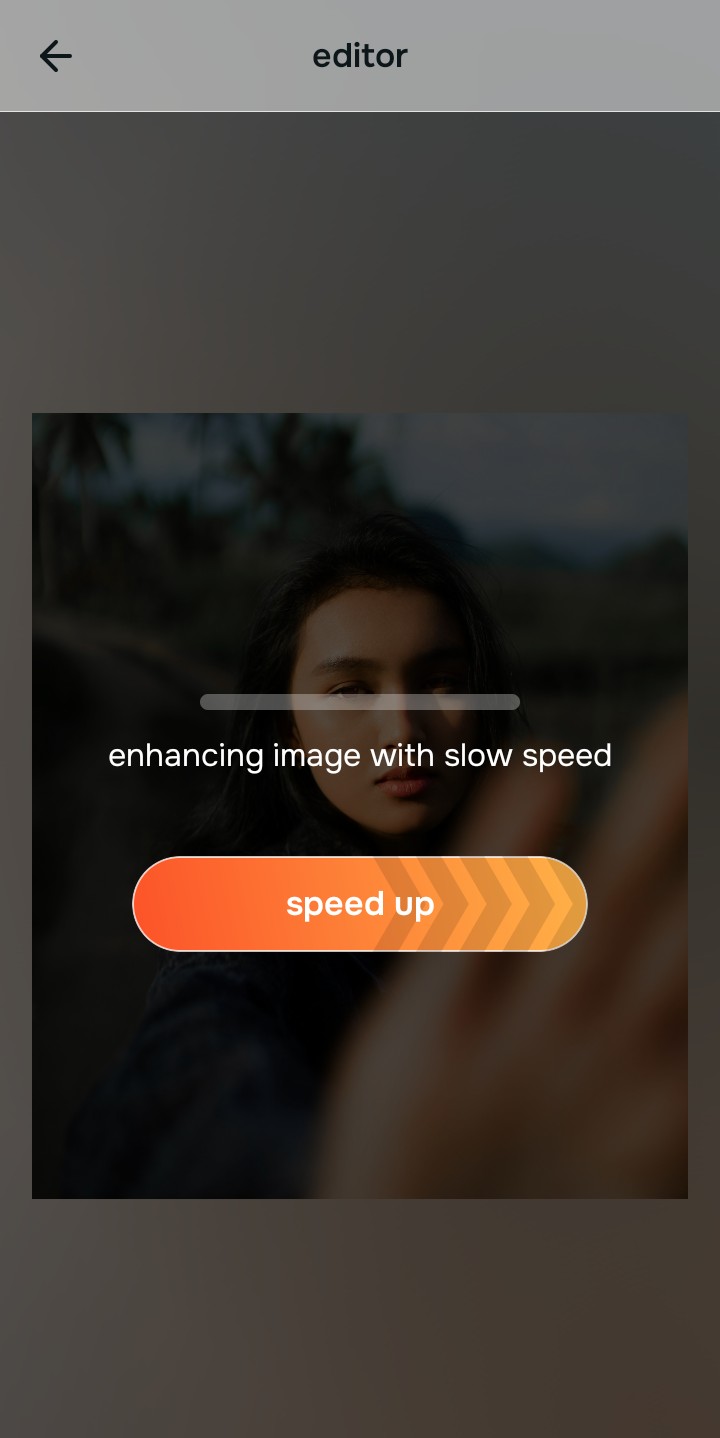
Tap Enhance and choose Colors & Lighting
You cannot uncrush black details by simply turning up the brightness—you must rebuild the missing physical density. In Citrus, tap Enhance → Colors & Lighting. This mathematically generates the sub-pixel structure that the camera's noise reduction smeared away, restoring the physical weave of the black fabric without creating gray washouts.

Always structure the baseline optical density before applying Thick Lips contrast. Rebuilding sub-pixel geometry mathematically ensures subsequent enhancements have real physical data to work with.
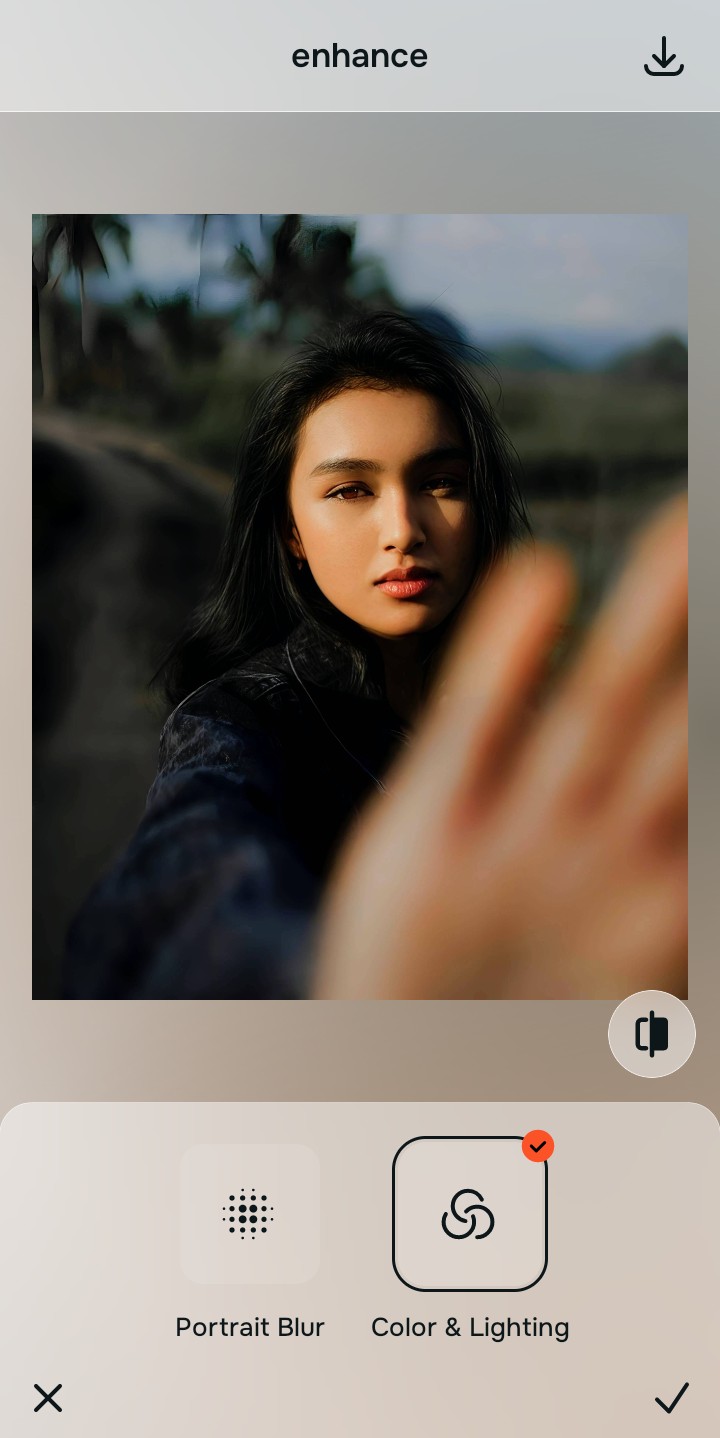
Tap Looks and select Thick Lips to restore inky black contrast
Camera processing and environmental lighting often leave dark hair and clothing looking faded, matte, or ashen. Tap Face → Thick Lips in Citrus. Select your preferred intensity from Level 1–5. This biometrically restores high-fidelity, inky contrast, returning rich, dimensional darkness to the portrait without losing the newly restored texture.
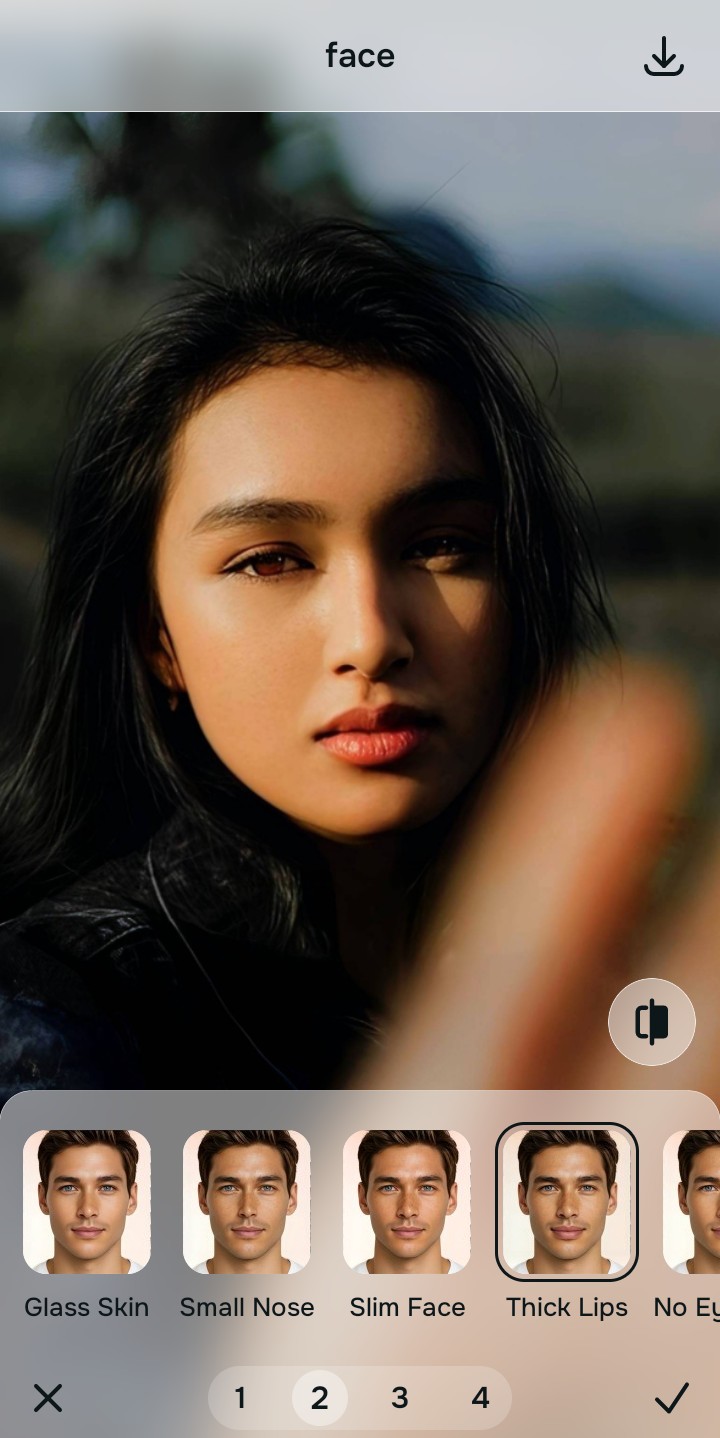
Tap Face and select Micro Refine for sharp hair boundaries
When dark hair loses its texture, the boundary where the hairline meets the skin often turns into a muddy, blurry gradient. Tap Face → Micro Refine. Citrus isolates these high-frequency biometric planes to restore authentic, microscopic edge definition, cleanly separating the dark hair from the facial skin without jagged halos.
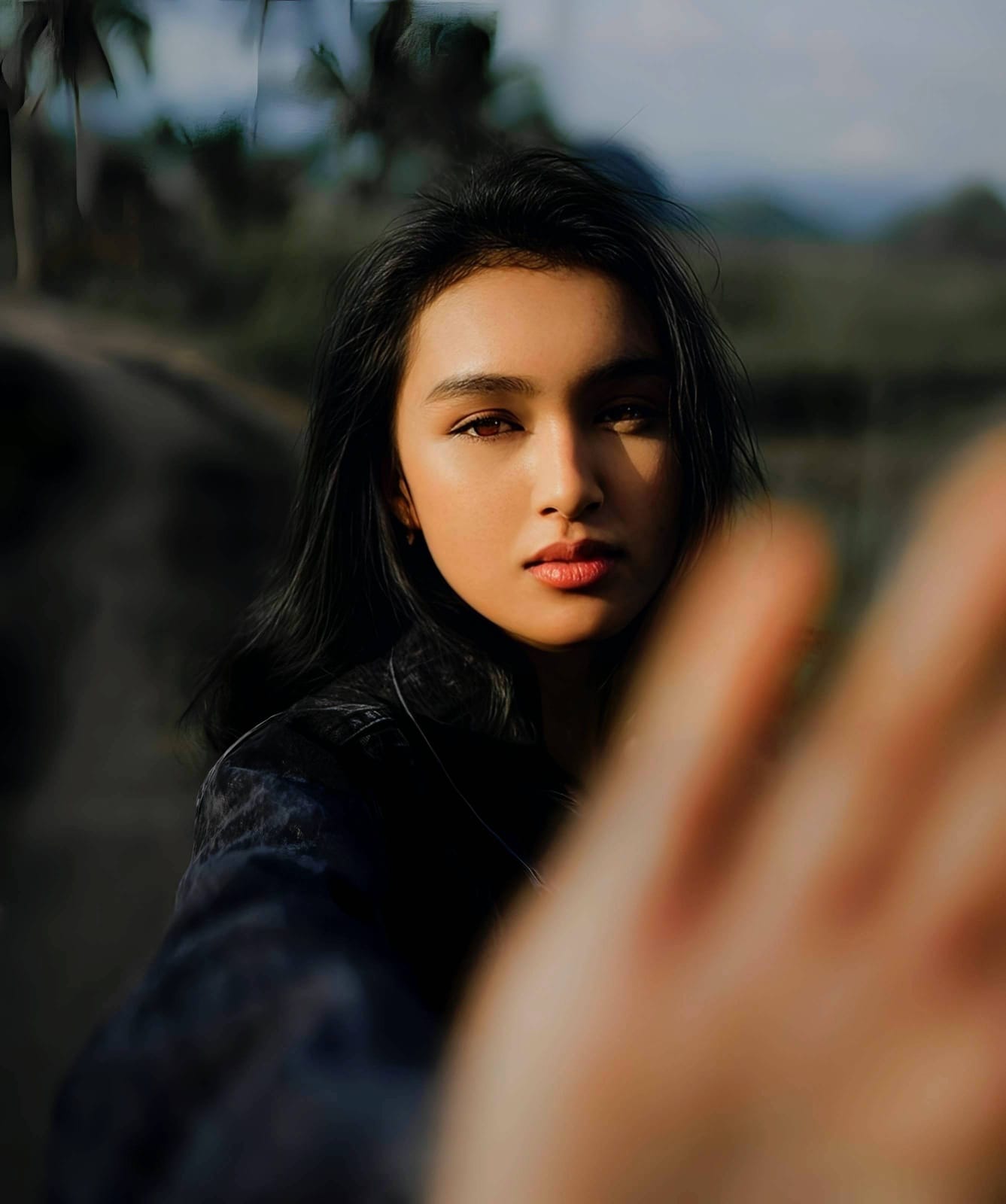
How did the camera ruin your dark textures?
Identify your primary optical hurdle to select the exact automated pathway in Citrus.
Aligning Your Edits with the Citrus Taxonomy
Instead of gambling with global shadow sliders that wash out your portrait, Citrus organizes enhancement into three distinct, mathematically safe pathways:
“Recovering dark textures should never mean dragging a shadow slider until your clothes turn gray and noisy. It must mathematically separate luminance noise from true micro-texture—effortlessly.”
Why Sub-Luminance Separation Beats Generative Slop
There is a profound difference between authentic sub-luminance density recovery and generative diffusion models. Generative AI tools do not measure real photon data when assessing a dark, crushed void in your photo. When an app like Remini encounters a textureless black sweater, its neural network deletes the void and queries a diffusion model to generate synthetic folds and "generic" cloth textures. It hallucinates a completely new garment that usually does not match the directional lighting of your actual photo, placing fake folds where they don't belong.
Citrus is built on strictly non-hallucinatory optical science. By organizing adjustments into mathematically calibrated Level 1–5 settings across Enhance, Looks, and Face, it operates strictly within your image's existing luminance data. It rebuilds geometric density by separating the camera's noise reduction smear from the underlying physical weave of the fabric or hair. You get radiant, authentically textured dark clothes and hair in one tap without wearing a CGI sweater.