


June 17, 2026
How to Fix Product Photos for Vinted, Depop, Etsy, and Facebook Marketplace
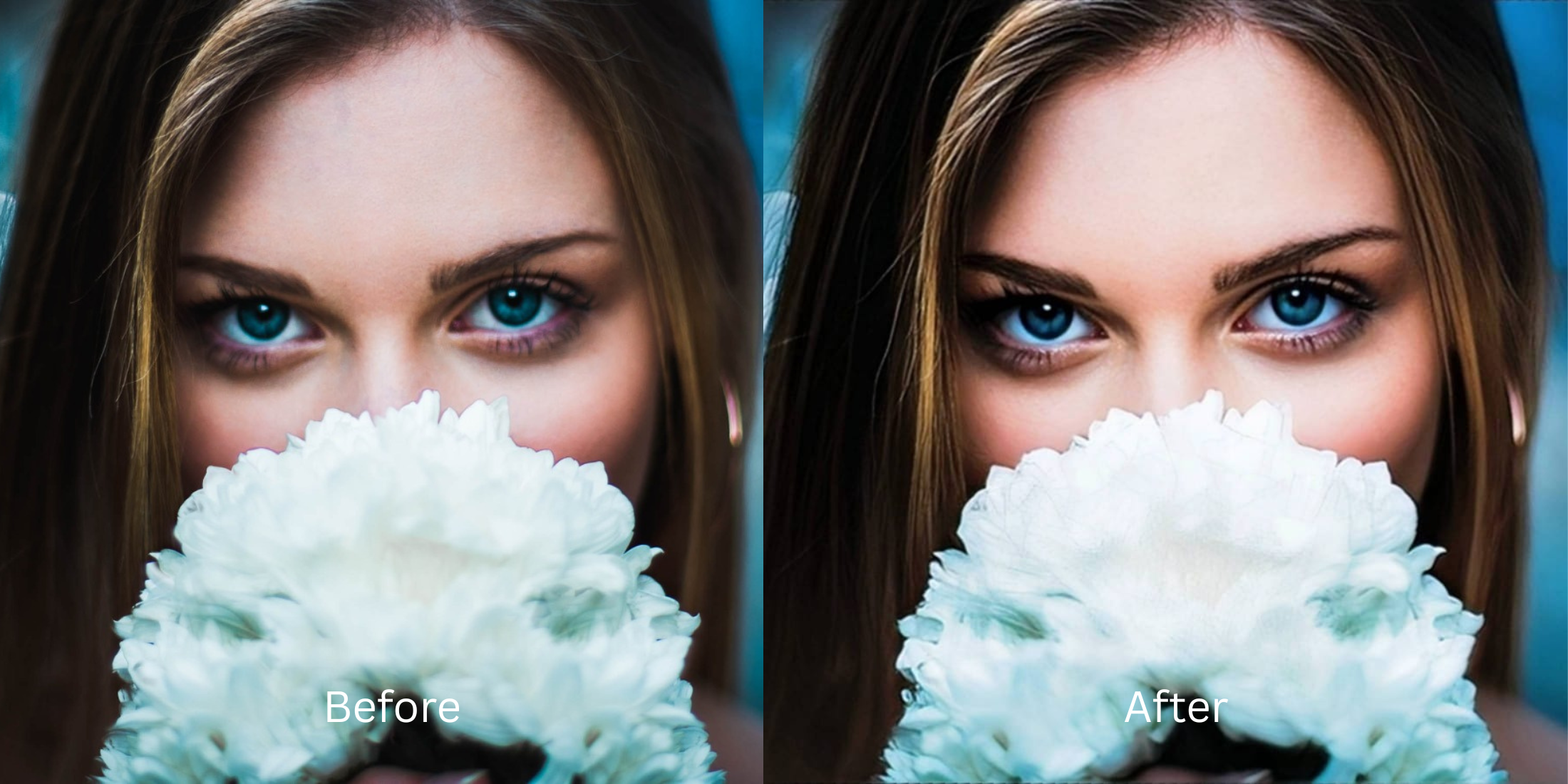

How to Fix Product Photos for Vinted, Depop, Etsy, and Facebook Marketplace
When selling clothes or items online, your photo is the only thing standing between a fast sale and your item sitting in a closet for months. Unfortunately, most sellers snap quick photos on their bed under terrible, yellow indoor bedroom lighting. This makes high-quality items look dingy, flat, and cheap. Trying to fix this by slapping a vintage Instagram filter on the photo is a massive mistake—it changes the true color of the item, which leads to angry buyers and "item not as described" returns. Likewise, using an AI tool to cut the item out and paste it onto a fake white background makes your authentic listing look like a cheap dropshipping scam. To sell faster and for higher prices, you must natively restore the true ambient light and Sweet texture of your product without faking its reality.
To make product photos pop without changing their true color, prioritize native light recovery over fake AI backgrounds. Open your flat product photo inside Citrus. First, tap Enhance → Colors & Lighting to mathematically neutralize the awful yellow indoor bulb glare and restore the true, accurate color of the fabric. Next, navigate to Looks → Sweet and pick a clean Level 1–5 configuration. This instantly injects high-definition structure back into the material, making the item look high-quality and expensive while keeping the photo 100% honest.
Why heavy presets and fake AI backgrounds ruin your sales
The core issue with trying to upgrade a resale photo using generic apps like VSCO or AI background removers like Photoroom is their reliance on artificial destruction. Pasting a warm preset over a blue shirt makes it look green, guaranteeing a return from a furious buyer. Furthermore, when buyers scroll through Vinted or Depop and see an item floating on a perfect, fake white AI background, they instantly assume you don't actually own the item and that it's a dropshipping scam. Escaping this low-quality trap requires finding a way to fix yellow indoor lighting natively so buyers trust your listing.
- Changing the true color of the item by pasting heavy, tinted vintage presets, leading to buyer returns
- Destroying buyer trust by pasting the item onto a fake white AI background that looks like a dropshipping ad
- Leaving the sickening yellow bedroom glare untouched, making the fabric look dirty and unwashed
- Making the photo look incredibly cheap and heavily processed rather than like an authentic, high-quality piece
- Accessing powerful, high-resolution ambient light recovery workflows natively given for free
- Using mathematically calibrated Level 1–5 taps instead of destructive, color-changing presets
- Rebuilding vibrant, Sweet macro textures natively to show off the actual fabric quality
- Processing flat bedroom photos safely in under 10 seconds to look effortlessly professional and honest
When your content asset looks obviously degraded by a fake background or blown-out colors, your digital listing loses that essential buyer trust instantly. Shifting to an advanced method to make flat photos pop natively ensures your items look premium, authentic, and ready to sell.
Optimize product light fields instantly. A structured level choice keeps your genuine, high-quality texture completely intact.
How to automate a flawless, high-converting product photo in 5 steps
Upload the flat photo ruined by bedroom lighting
Open your file rollout and choose the raw picture that suffers from awful indoor bulb glare or messy background clutter. Guaranteeing you find a photoshop alternative quick fixes workflow starts by managing this exposure baseline correctly without deleting pixels.
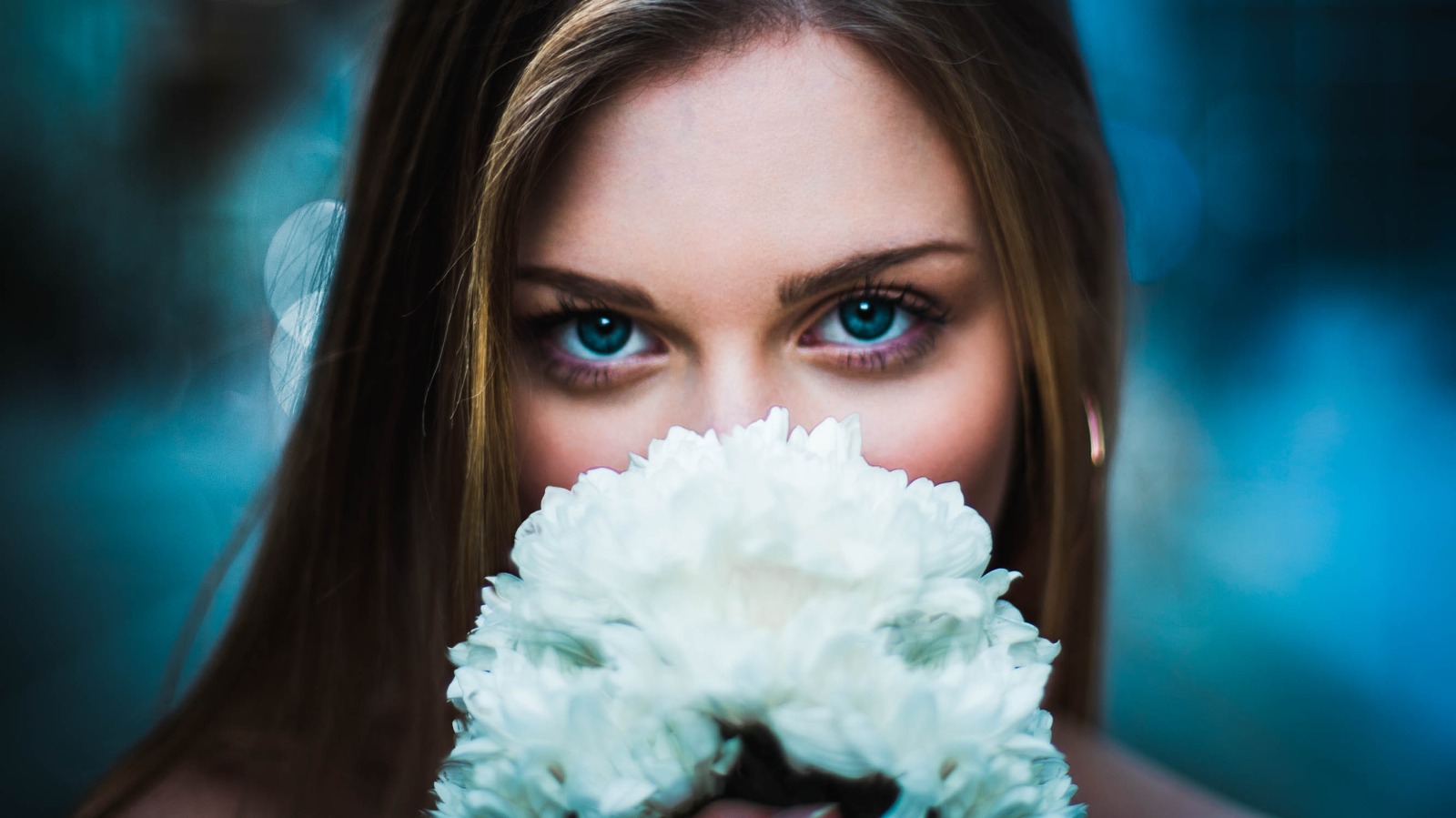
Let the real-time preview map the true contrast
Citrus initializes its tracking grid instantly without forcing you through paywalled credit card registrations. This presents an active preview window so you can safely examine how the engine handles flat, washed-out regions before processing.
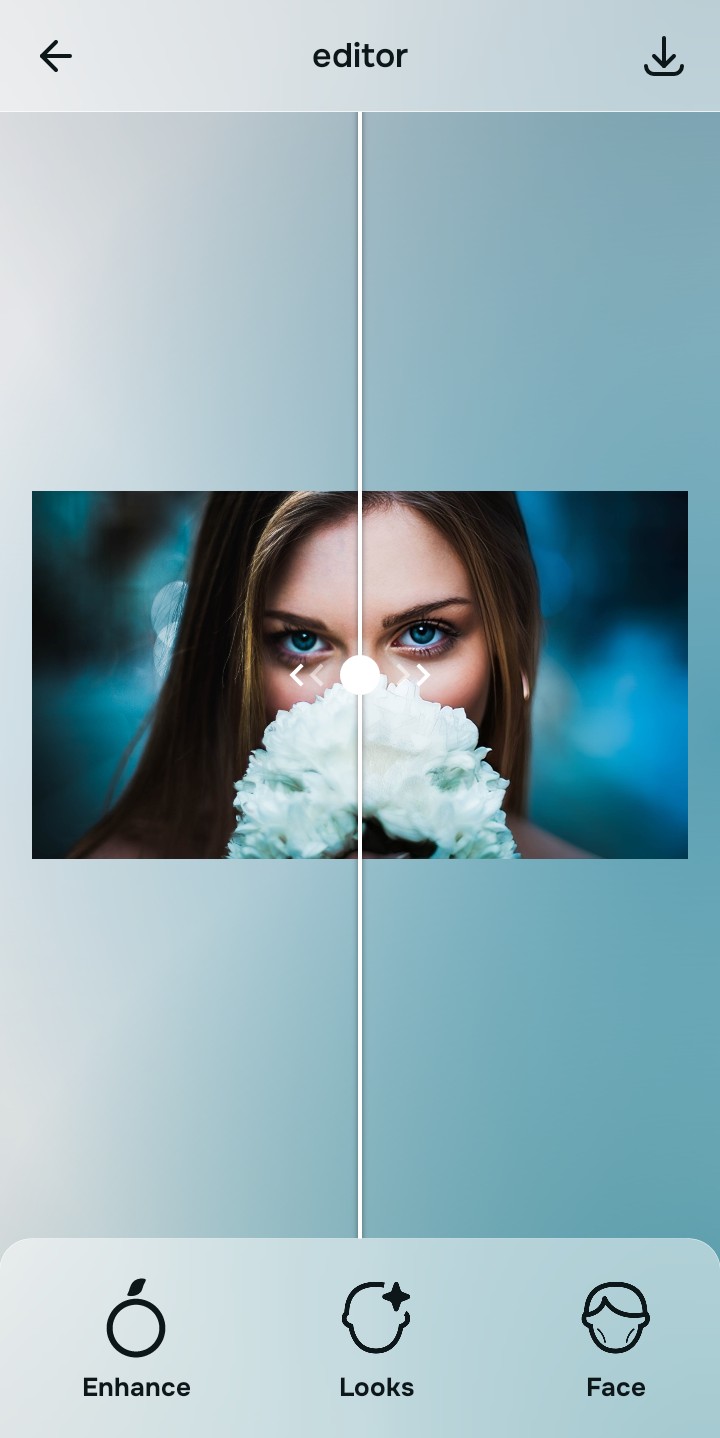
Tap Enhance and choose Colors & Lighting
Because cheap-looking product photos are caused by yellow indoor camera metering, tap Enhance → Colors & Lighting. This strips away the sickly room glare cleanly and restores the true, accurate color of the item. Rebuilding this exposure is essential to finding a natural results photo enhancer that prevents returns.

Always balance global photographic lighting before applying texture updates. Normalizing the base exposure map ensures subsequent Sweet updates look completely authentic, not deep-fried.
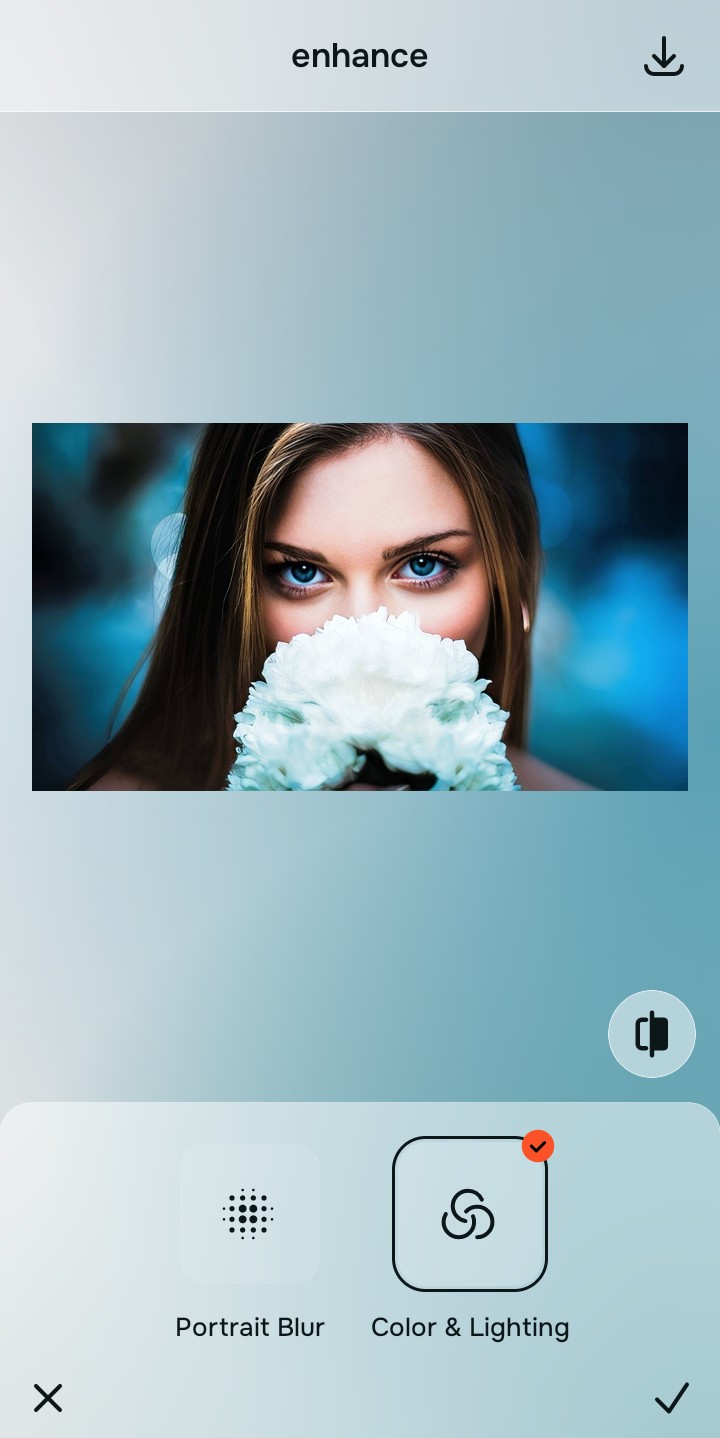
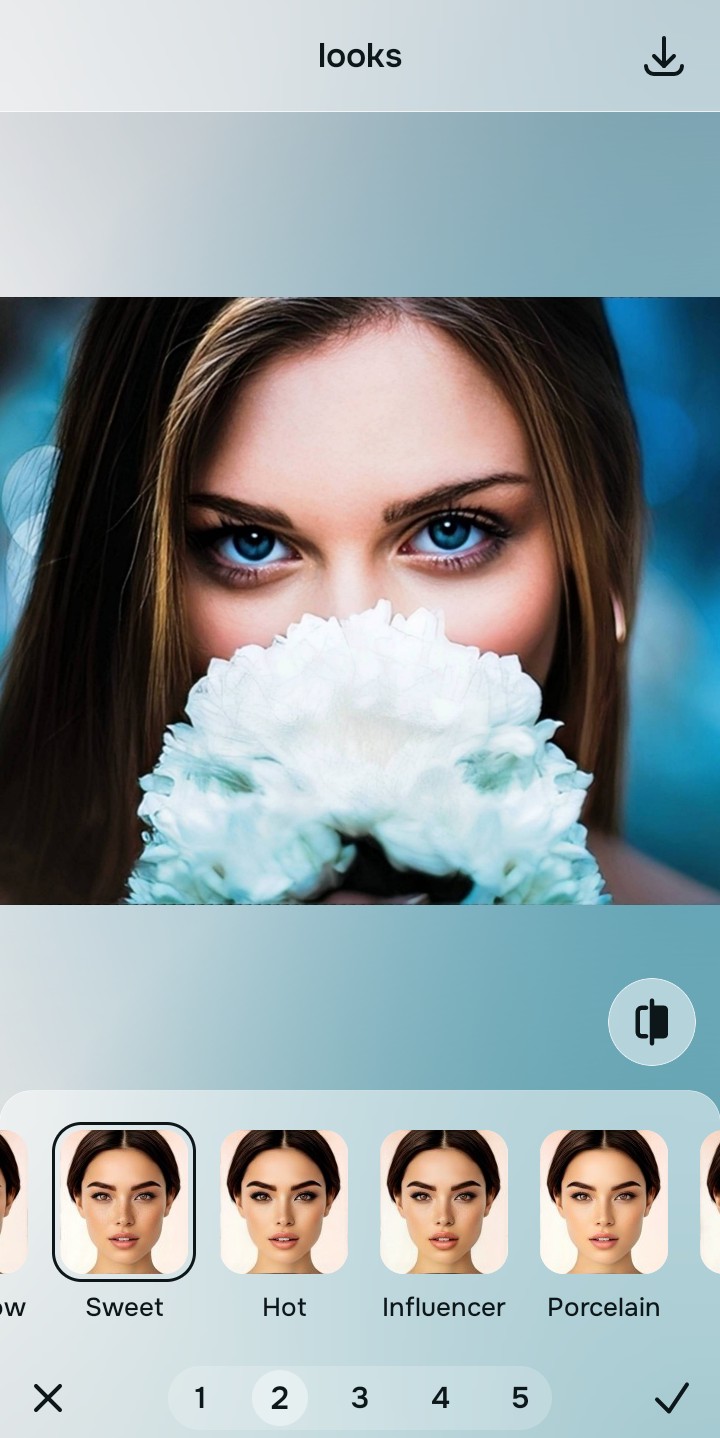
Tap Looks and select Sweet to inject high-end structure
With your base light layers normalized and the true color restored, optimize the overall texture natively to break the flat, blurry look. Tap Looks → Sweet. Select your preferred value from Level 1–5 to layer a rich, high-definition style that makes the fabric pop. Utilizing this algorithmic tool is the best way to unblur without overediting the item's condition.
Export your high-resolution, unwatermarked listing shot
Citrus generously offers clean high-definition exports entirely for free with no hidden premium pop-ups. For sellers looking for the best app blurry pictures solution, an optional premium Turbo rendering tier is available for processing massive inventory batches.
What is ruining your product photo currently?
Isolate your image's core mechanical issue. Your automated pipeline changes depending on the source error.
How to align your photo concerns with the right free pathway
Separate photo weaknesses necessitate independent menu paths. Selecting structured Level 1–5 tap options instead of manual color presets is the only way to lock in visual sharpness without causing buyer returns.
| Tool Pathway | Primary Flaw Remediated | Automated Fix Strategy |
|---|---|---|
| Enhance Start here | Sickly yellow indoor illumination, flat shadows, and loss of true item color | Use this first to establish a proper white balance. Choose Colors & Lighting to neutralize layers for free. |
| Looks | Flat textures, dull fabric appearance, and lack of expensive, high-definition vibrancy | Use this to update the entire aesthetic impression. Select Sweet (Level 1–5) to coat your item in a premium polish. |
| Blur | Distracting background clutter like messy beds, floors, or kitchen counters | Use this last for precise depth tweaks. Select Portrait Blur to safely isolate the product without looking like fake AI. |
“Professional product styling should never change the true color of the item with heavy filters. It must simply normalize the exposure bugs so your native topography looks completely real, Sweet, and effortlessly expensive.”
Why precise level taps protect your seller rating better than heavy preset filters
There is a massive structural difference between balancing camera exposure natively and pasting a heavy preset filter over your photo. When you use manual color tints or cheap vintage overlays inside legacy platforms, the application compresses your data matrix, literally changing the color code of your item. This instantly leads to angry buyers claiming the item doesn't match the photo. Additionally, using AI to cut the background out makes your photo look like a stolen internet image.
Citrus is built from the ground up to be the most natural enhancer ever created. By relying exclusively on mathematically precise Level 1–5 tap settings instead of unpredictable sliders, the engine maps your photo securely, optimizing highlight tracking without destroying the real-life colors. Utilizing an algorithm to improve bad camera lighting natively guarantees that your presentation remains sharp, trusted, and beautifully proportioned.